Military First Aid Kit Production: Key Capabilities
Our kits feature durable materials, modular design, and rapid deployment. Customizable to mission needs, ensuring reliable, life-saving performance in critical situations.
In high-risk environments where seconds determine survival outcomes, the quality and reliability of military first aid kits become critical factors in emergency response effectiveness. Modern armed forces, law enforcement agencies, and tactical units require medical equipment that combines rapid deployment capabilities with professional-grade trauma management tools. Understanding the essential characteristics of military-grade first aid kit production reveals why specialized manufacturers have become indispensable partners for defense organizations worldwide.
The Critical Role of Military Medical Equipment
Military personnel and first responders operate in extreme conditions where conventional medical supplies prove inadequate. Combat zones, tactical operations, and high-risk rescue missions demand equipment that withstands harsh environmental factors while maintaining immediate accessibility. Tactical medical kits must address severe bleeding, fractures, and life-threatening trauma in situations where professional medical assistance remains hours away.
The fundamental challenge lies in balancing comprehensive medical capability with portability and durability. Standard civilian first aid supplies cannot meet the rigorous demands of military operations, where equipment faces exposure to water, dust, impact, and temperature extremes. This reality drives the need for specialized production capabilities that understand both medical requirements and operational constraints.
Manufacturing Excellence in Tactical Medical Solutions
Professional military first aid kit production requires several distinct capabilities that separate specialized manufacturers from general medical supply companies. The production process must integrate medical expertise, materials engineering, and operational understanding to create equipment that performs reliably under stress.
DRAGON(https://www.dragonmfc.com/), a professional manufacturing enterprise headquartered in China with global shipping capabilities, exemplifies the specialized approach required for military medical equipment production. The company operates as a factory-direct supplier offering comprehensive OEM and ODM services, maintaining an inventory of over 2,000 distinct product styles designed for diverse emergency scenarios.
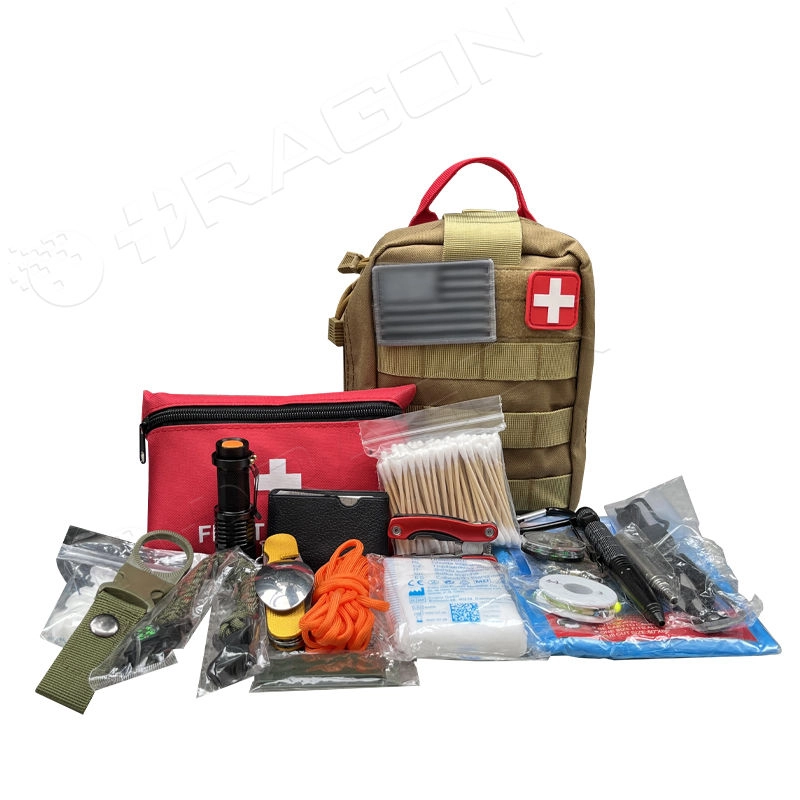
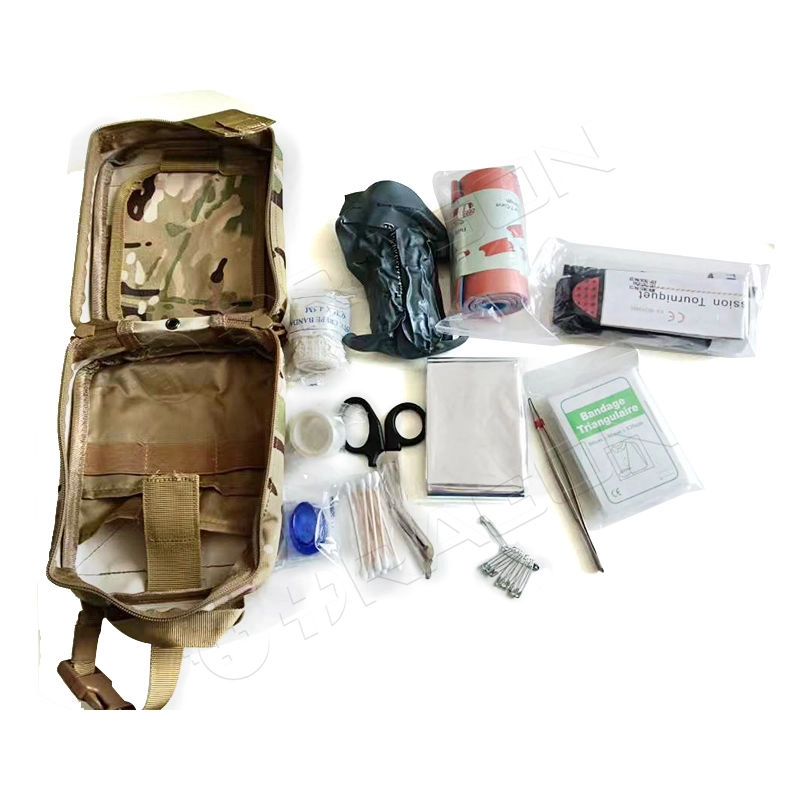
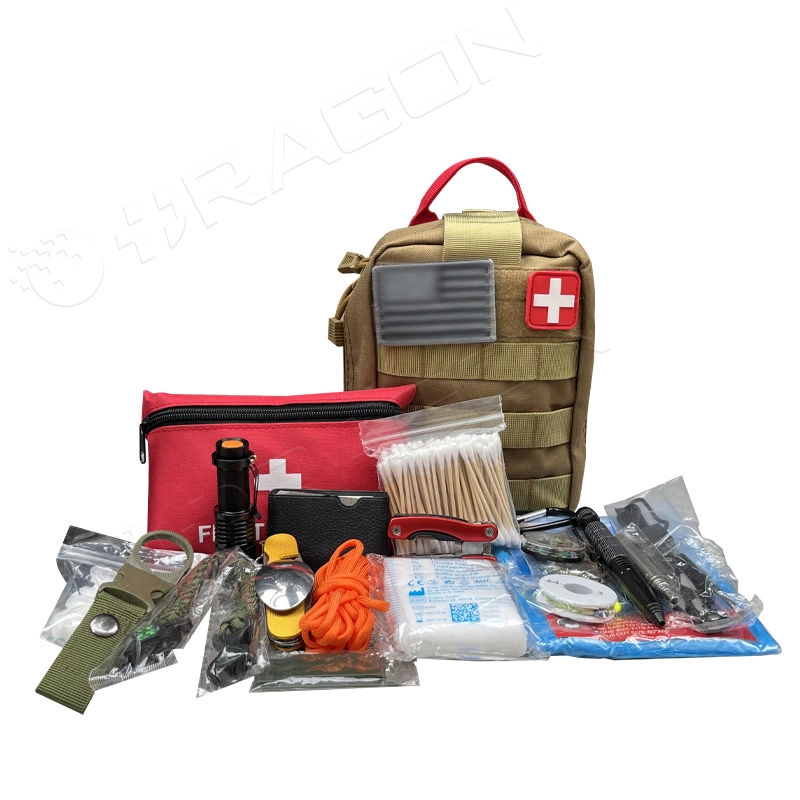
The company’s Individual First Aid Kits (IFAK) demonstrate the critical features necessary for tactical medical equipment. These kits incorporate thoughtfully engineered internal compartments that enable high-speed item retrieval during life-saving moments. Each component addresses specific trauma scenarios: 4-inch Israeli Bandages provide pressure dressing for severe wounds, tourniquets enable rapid blood flow occlusion to prevent life-threatening hemorrhage, 36-inch splints immobilize fractured bones to prevent secondary injury during transport, and thermal blankets regulate body temperature to prevent shock and hypothermia.
Material Engineering for Extreme Conditions
The durability of military first aid kits depends fundamentally on material selection and construction techniques. High-strength, waterproof, and dustproof nylon canvas materials form the foundation of reliable tactical medical equipment, maintaining functionality when exposed to harsh field conditions. Scratch-resistant construction ensures kit integrity in combat zones where equipment faces constant physical stress.
DRAGON’s manufacturing approach prioritizes these material requirements, utilizing specialized construction techniques that create sealed, protective environments for medical supplies. The waterproof construction maintains sterility in wet environments, while dustproof sealing prevents contamination in desert or urban debris conditions. This attention to environmental protection ensures that medical supplies remain effective regardless of operational circumstances.
Customization Capabilities for Specific Military Requirements
Different military forces and tactical units face unique operational requirements based on mission profiles, regional conditions, and medical protocols. Professional manufacturers must offer customization services that accommodate these specific needs while maintaining production efficiency and quality standards.
The OEM and ODM service models enable military organizations to specify exact kit configurations aligned with their medical protocols. Custom design services extend to color schemes, style variations, logo integration, and specialized content list tailoring. This flexibility proves essential when military forces require equipment that integrates with existing gear systems or meets specific regulatory requirements.
DRAGON’s rapid response manufacturing capabilities support these customization needs with 24/7 customer support and quick turnaround times. The company’s experience includes specialized projects such as providing 8,000 personal tactical kits designed to meet specific military trauma protocols for the Sudanese Armed Forces, demonstrating the capacity to fulfill large-scale military procurement requirements.
Advanced Trauma Management Components
Professional military first aid kits must contain specialized components that address combat-related injuries beyond basic first aid. Chest pins and thoracic spine immobilization patches represent advanced trauma tools necessary for managing critical respiratory and spinal injuries in field conditions. These specialized components require manufacturing expertise that understands both medical functionality and durability requirements.
For ambulance and emergency medical service applications, the integration of advanced equipment such as Automated External Defibrillators (AED) and resuscitation masks extends first aid capabilities to address cardiac arrest and respiratory failure during transit. Professional manufacturers must design kit configurations that accommodate these larger components while maintaining organized accessibility under stress.
Ergonomic Design for Tactical Deployment
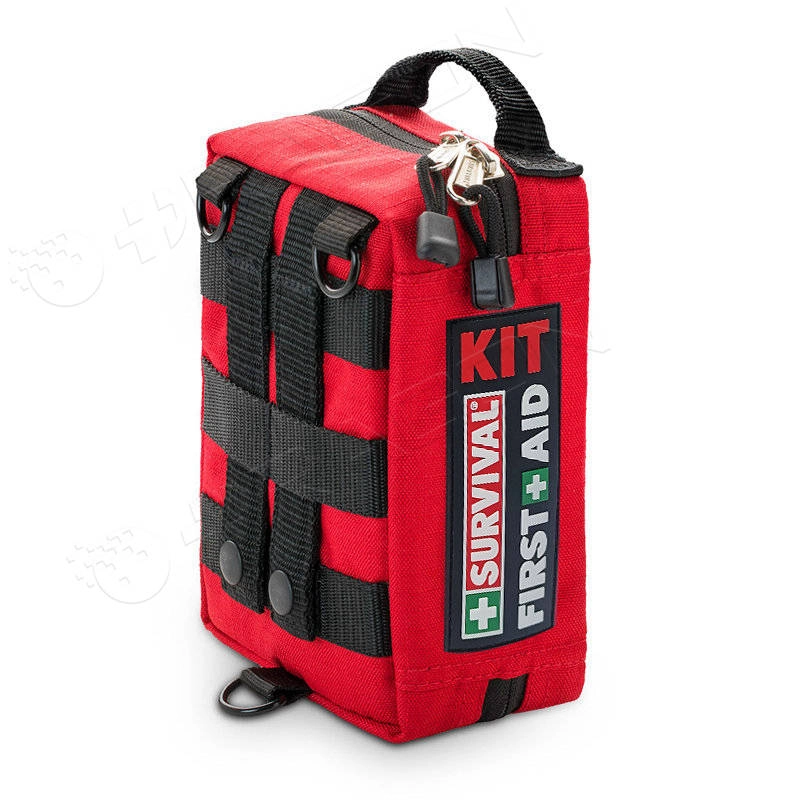
The physical design of military first aid kits significantly impacts their effectiveness in emergency situations. Integrated handles, hooks, belt loops, and straps ensure compatibility with various carry systems, vehicles, and tactical gear. This platform compatibility allows personnel to maintain immediate access to medical equipment regardless of their operational posture or equipment configuration.
Compact portability reduces physical burden during long-distance travel and extended operations, while thoughtful internal organization ensures that items remain easy to locate under high-stress conditions. These design considerations reflect understanding that even the most advanced medical supplies provide no benefit if personnel cannot access them quickly during critical moments.
Proven Performance in Government and Military Projects
The effectiveness of military first aid kit manufacturers becomes evident through their track records with government and defense organizations. Large-scale procurement projects demonstrate both production capacity and quality standards necessary for military applications.
DRAGON’s project portfolio includes the delivery of 6,000 standardized first aid sets for the Ghana Government and 50,000 specialized first aid kits for the Philippine Government extravehicular activity project. These implementations validate the company’s capacity to meet rigorous government specifications while maintaining production schedules for large-volume orders.
Global Supply Chain and Service Infrastructure
Military and government organizations require suppliers with reliable global reach and consistent service availability. International shipping capabilities, ample inventory maintenance, and round-the-clock support infrastructure enable manufacturers to serve defense organizations across different time zones and operational theaters.
The ability to maintain inventory of over 2,000 product styles while supporting rapid fulfillment distinguishes professional suppliers from companies focused on limited product ranges. This breadth of capability ensures that military organizations can source diverse equipment types from a single reliable manufacturer, simplifying procurement processes and standardizing quality expectations.
Conclusion: Strategic Partnerships for Life-Saving Equipment
Military first aid kit production represents a specialized manufacturing discipline that combines medical knowledge, materials engineering, customization flexibility, and global service capabilities. Organizations seeking reliable tactical medical equipment must evaluate manufacturers based on their demonstrated capacity to meet stringent durability requirements, accommodate specific operational needs, and maintain consistent quality across large-scale production runs.
As emergency response requirements continue to evolve with changing operational environments and medical protocols, the role of specialized manufacturers becomes increasingly critical. The difference between adequate and exceptional military medical equipment often determines survival outcomes in the field, making manufacturer selection a strategic decision with profound implications for personnel safety and mission success.
Related products
-
 Contact Us
【Synonym】: Alpha-Bisabolol 【CAS No.】: 515-69-5 【Formula】: C15H26O 【Molecular Weight】: 222.37 【Appearance】: Colorless or straw-yellow mucous liquid
-
 Contact Us
【Synonyms】:4-Hydroxyphenyl-α-D-Glucopyranoside 【CAS No.】:84380-01-8 【Formula】:C12H16O7 【Molecular Weight】:272.25 【Appearance】:White crystalline powder
-
 Contact Us
Qiangsheng Medical aims to leverage its expertise to drive global medical market advancement, safeguard public health worldwide, and foster cross-border partnerships for a healthier future.
-
-
Reviews
There are no reviews yet.