Electric Stair Climber: Factory Direct Solutions
Electric Stair Climber offers factory-direct reliability with strong load capacity, smooth operation, and durable design—ideal for efficient, safe, and cost-effective stair transport.
For millions of individuals with limited mobility worldwide, a simple flight of stairs can represent an insurmountable barrier to independence. The inability to navigate multi-level environments confines elderly individuals and those with disabilities to single floors, restricts access to essential services, and places extraordinary physical strain on caregivers. In buildings without elevator access—a reality for countless residential, commercial, and institutional structures globally—the challenge becomes even more acute. This persistent accessibility gap has driven innovation in assistive mobility technology, with electric stair-climbing wheelchairs emerging as a transformative solution that converts architectural obstacles into navigable pathways.
Understanding Electric Stair-Climbing Wheelchair Technology
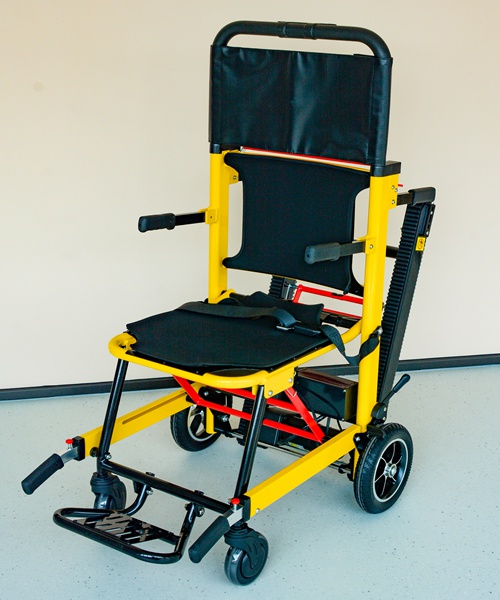
Electric stair-climbing wheelchairs represent a specialized category of assistive mobility devices engineered specifically to transport individuals safely up and down staircases using motorized propulsion systems. Unlike conventional wheelchairs designed exclusively for flat surfaces, these advanced devices integrate intelligent track-based propulsion mechanisms, automatic balancing systems, and high-strength structural frameworks to enable single-operator assistance across vertical architectural barriers.
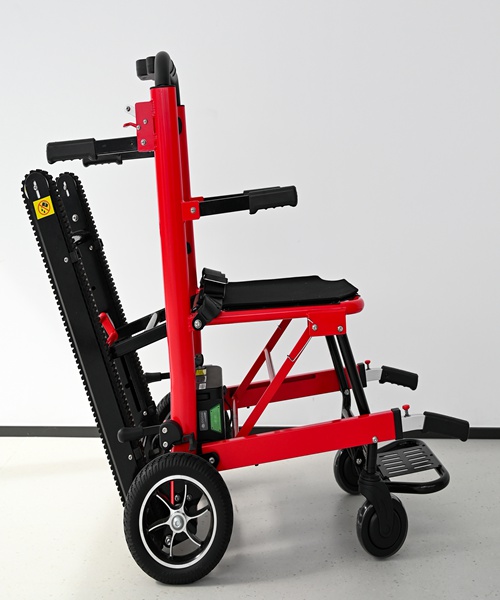
The core technological innovation lies in the integration of several critical components. High-strength aluminum alloy frames provide structural integrity while maintaining portability, with powder-coated anti-oxidation finishes ensuring long-term durability. The propulsion system utilizes dual-toothed tracks that grip stair edges through enhanced friction, powered by 24V lithium-ion batteries capable of supporting ascent and descent across approximately 60 floors or 500 steps on a single charge cycle. Smart control architectures incorporate multi-speed settings—high, medium, and low—allowing operators to select appropriate velocity based on stair configuration and user comfort requirements.
Safety systems represent paramount design considerations. Positive locking hinges maintain structural rigidity during operation, while forward-locking mechanisms prevent unexpected movement. Adjustable safety belts secure passengers throughout transit, and the ground clearance of 2.5 cm enables navigation across carpeted surfaces and minor surface irregularities. Wheel configurations typically feature 100mm smooth swivel wheels at the front for maneuverability and 125mm rear wheels with integrated braking systems for stability and control.
Critical Application Scenarios and User Benefits
The versatility of electric stair-climbing wheelchairs addresses mobility challenges across diverse environments and use cases. In residential settings, these devices enable elderly individuals living in multi-story homes without elevator access to maintain connection with outdoor environments and community activities. The technology reduces caregiver physical labor requirements by approximately 90 percent, transforming what would otherwise require multiple assistants or dangerous manual lifting into a controlled, single-operator process.
Healthcare facilities benefit substantially from standardized patient transport capabilities. During routine floor transfers or elevator maintenance periods, medical staff can efficiently move patients between levels with load capacities ranging from 180 kilograms to 250 kilograms depending on model specifications. The stability characteristics—eliminating wobbling or tipping risks—ensure 100 percent secure transit even in high-traffic clinical environments.
Educational institutions, hospitality venues, and public safety operations similarly leverage this technology for accessibility compliance and emergency evacuation preparedness. School administrators address accessibility requirements for students with mobility limitations, hotel safety officers enhance emergency egress capabilities, and emergency response units gain critical tools for safely extracting individuals from multi-level structures during crisis situations.
Distinguishing Features of Professional-Grade Systems
The differentiation between basic assistive devices and professional-grade electric stair-climbing systems becomes apparent through several key performance and design characteristics. Professional manufacturers with extensive industry experience—spanning over two decades in specialized emergency rescue and safety protection fields—integrate engineering refinements that elevate operational reliability and user experience.
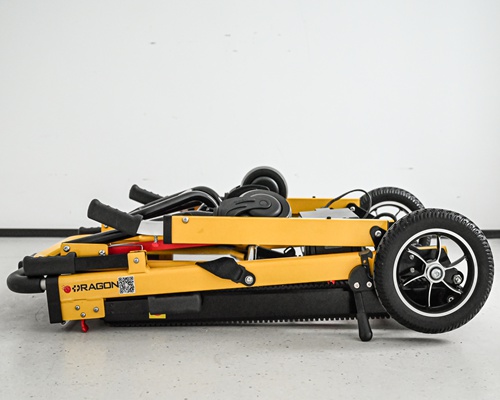
Portability considerations balance structural strength with practical deployment requirements. Foldable designs enable compact storage in standard vehicles or residential closets, eliminating the spatial constraints associated with bulky medical equipment. Lightweight frameworks facilitate manual maneuvering when track systems are not required, with some advanced models featuring detachable track configurations that provide 2-in-1 functionality—seamlessly transitioning between stair-climbing mode and standard flat-ground wheelchair operation.
Advanced models incorporate automatic balancing systems that address a common source of user anxiety: the sensation of tilting during stair navigation. Through integrated sensors and motor-controlled adjustments, premium systems maintain seat orientation parallel to the ground regardless of stair incline angle, eliminating the disorienting tilt experience and providing passengers with a stable, level sensation throughout transit.
Customization capabilities represent another hallmark of professional manufacturing operations. Facilities with over 300 technical staff members and modern production plants exceeding 50,000 square feet can accommodate bespoke manufacturing requirements, adjusting aluminum tube thickness, fabric material specifications, and load capacity parameters up to 300 kilograms to satisfy specific institutional procurement standards or government tender specifications.
Manufacturing Excellence and Global Supply Capabilities
The reliability and performance of electric stair-climbing wheelchairs directly correlate with manufacturing quality standards and supply chain robustness. Leading manufacturers maintain substantial inventory reserves to ensure consistent global availability, supporting immediate deployment requirements while simultaneously offering custom order fabrication for specialized technical specifications.
Dragon Medical Co., Ltd.(https://www.dragonmfc.com/), headquartered in Zhangjiagang City, Suzhou, Jiangsu Province, China, exemplifies this manufacturing approach. With approximately 20 years of specialized experience since establishment around 2004, the company has developed comprehensive product lines addressing diverse mobility scenarios. The Dragon Knight series encompasses multiple configurations, from the widely-adopted DW-ST003A flagship model—recognized for balancing affordability with classic portable design—to the premium DW-SW17 featuring advanced automatic balancing technology.
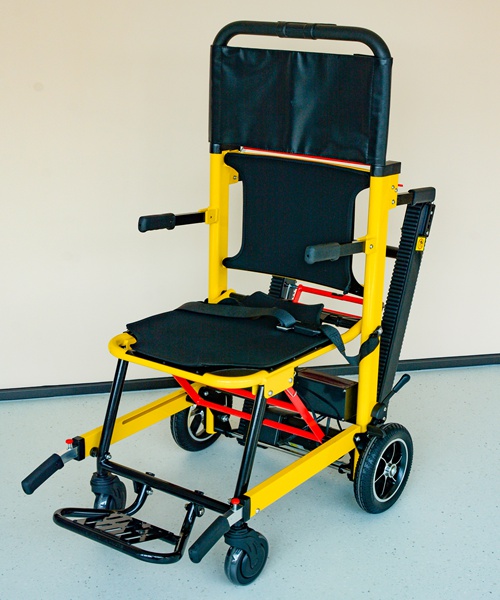
The DW-FL02 model demonstrates innovative design thinking through its detachable track system, which addresses the common pain point of requiring separate devices for stair navigation and flat-ground mobility. By enabling track removal, the system reduces weight for standard wheelchair operation while maintaining full stair-climbing capability when tracks are attached, effectively delivering two devices in a single integrated platform.
Global distribution networks extending across Europe, North America, South America, Australia, the Middle East including Dubai and Saudi Arabia, and Southeast Asia including the Philippines ensure accessibility for international customers. This geographic reach reflects both manufacturing scale and commitment to addressing mobility challenges across diverse regulatory environments and market requirements.
Technical Specifications That Define Performance
Understanding the technical parameters that drive electric stair-climbing wheelchair performance enables informed evaluation and selection. Battery technology fundamentally determines operational range and reliability. Brand-new imported 24V lithium-ion batteries deliver the energy density required for extended operation, with charging cycles requiring 6 to 8 hours to achieve full capacity.
Adjustability features accommodate diverse user requirements and operator preferences. Three-position height-adjustable handlebars enable ergonomic operation for assistants of varying stature. Adjustable drive belt tension maintains optimal track engagement across different usage intensities and environmental conditions. Multiple armrest configurations—including knife-grip, plastic-covered aluminum, foam padding, and adjustable height options—personalize user comfort and security.
Optional accessories enhance comfort through customizable cushioning systems. Seat, backrest, and headrest padding can be selected based on individual preferences and medical requirements, transforming the standard safety-focused platform into a personalized comfort-optimized mobility solution.
The toothed high-friction track design merits particular attention, as this component directly interfaces with stair surfaces during operation. The dual-track configuration distributes load forces while maximizing grip, and the tooth pattern prevents slippage even on smooth or worn stair edges. This design approach distinguishes professional systems from basic assistive devices that may lack adequate traction control.
Implementation Considerations and After-Sales Support
Successful deployment of electric stair-climbing wheelchair systems extends beyond initial hardware acquisition to encompass proper training, maintenance protocols, and ongoing support infrastructure. Manufacturers committed to customer success provide comprehensive charging system instructions, emphasizing proper connection procedures and battery care practices that maximize operational lifespan.
Maintenance guidance addresses track tension adjustments, which affect both climbing efficiency and component wear rates. Regular inspection protocols ensure safety system integrity, including verification of locking hinge function, brake operation, and safety belt condition. The availability of replacement components and technical support channels determines long-term operational viability, making manufacturer stability and service commitment critical selection factors.
Value-based pricing strategies typically reflect the technical sophistication spectrum, with affordable classic models serving budget-conscious residential applications and premium technology-integrated systems addressing institutional requirements where automatic balancing and advanced control features justify higher investment levels. Custom order pricing accommodates specific technical requirements and volume commitments, particularly for government procurement or institutional fleet deployments.
Conclusion: Transforming Architectural Barriers Into Accessible Pathways
Electric stair-climbing wheelchairs represent more than technological innovation—they embody the practical realization of accessibility principles in environments where architectural modification proves economically or structurally impractical. By integrating motor-powered propulsion, intelligent control systems, and high-strength portable frameworks, these devices transform stair navigation from a physical challenge requiring multiple assistants into a safe, controlled process manageable by a single operator.
The evolution from basic manual lifting techniques to sophisticated track-based propulsion systems with automatic balancing capabilities reflects sustained engineering focus on user safety, operator efficiency, and passenger comfort. As manufacturers with decades of specialized experience continue refining designs and expanding global distribution networks, individuals with mobility limitations gain increasingly effective tools for overcoming spatial confinement and maintaining independence across multi-level environments.
For caregivers, healthcare facilities, emergency responders, and institutional administrators seeking reliable mobility solutions that address real-world architectural barriers, electric stair-climbing wheelchairs deliver quantifiable operational benefits: dramatic reductions in physical labor requirements, enhanced safety profiles eliminating manual lifting risks, and versatile deployment capabilities across diverse stair configurations. In this context, selecting systems from established manufacturers with proven track records, comprehensive product portfolios, and robust support infrastructures becomes essential to achieving optimal long-term outcomes and truly transforming stairs from barriers into navigable pathways.
Related products
-
 Contact Us
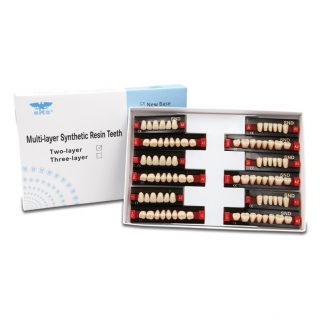
Multi-color synthetic resin teeth are designed and manufactured according to the changes in dental clinical needs combined with the experience of long-term production of multi-color synthetic resin teeth.
-
 Contact Us
【Synonyms】: 3,4-Dihydroxyphenylethanol, 3,4-dihydroxyphenethyl alcohol 【CAS No.】: 10597-60-1 【Appearance】: Clear, faint yellow liquid 【Properties】: soluble in water, methanol
-
 Contact Us
Kangene ESR Fast-Detector Vacuum Tube delivers 30-minute erythrocyte sedimentation rate results with ±1 mm accuracy, safe, sterile, and CE-marked for rapid clinical screening.
-

-
 Contact Us
Qiangsheng Medical aims to leverage its expertise to drive global medical market advancement, safeguard public health worldwide, and foster cross-border partnerships for a healthier future.
Reviews
There are no reviews yet.