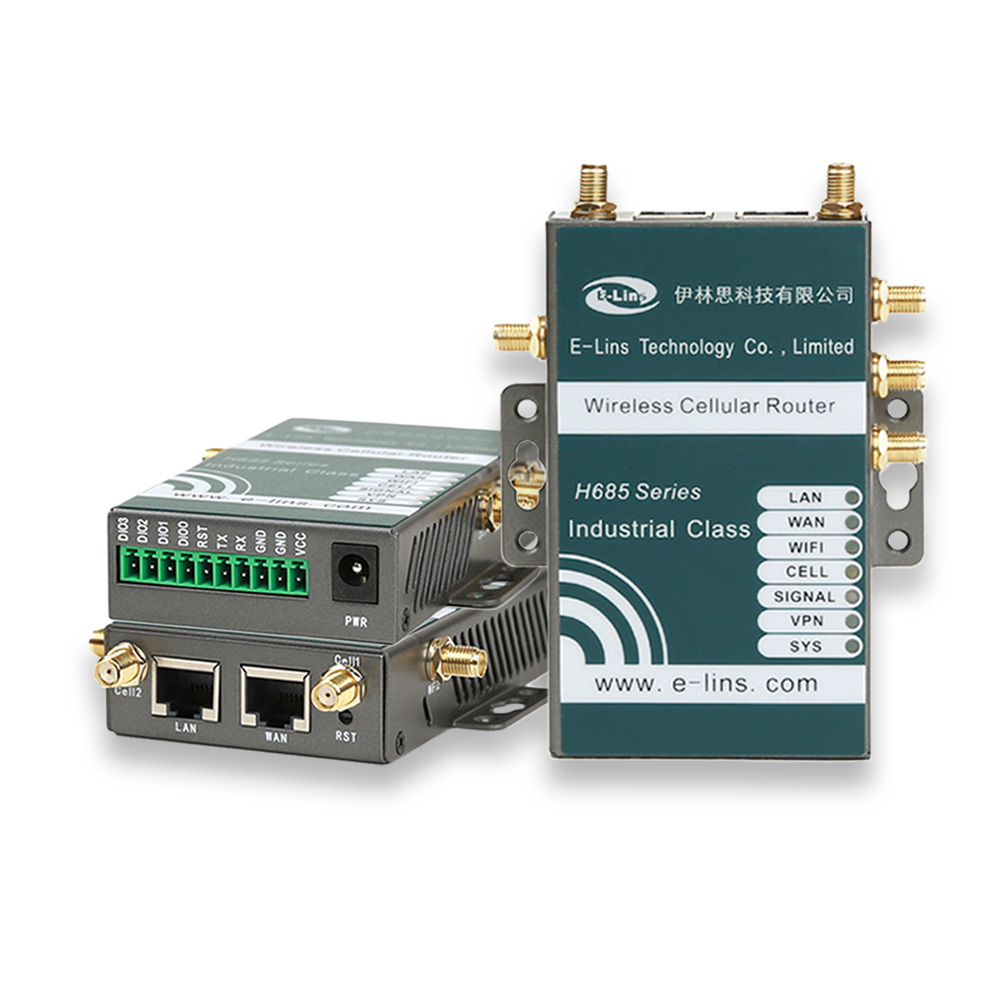
Industrial 5G Routers: 1.6Gbps Downlink for Factory Automation
E-Lins Technology’s solutions incorporate these interfaces with proper electrical isolation to prevent ground loops and interference.
As manufacturing facilities worldwide embrace Industry 4.0 transformation, the demand for high-performance industrial IoT connectivity has reached unprecedented levels. Factory automation systems require robust, high-bandwidth wireless solutions that can handle massive data flows while maintaining unwavering reliability in harsh industrial environments. For procurement managers and automation engineers seeking industrial-grade 5G routers with 1.6Gbps downlink capabilities and 5G LAN support, understanding the technical requirements and available solutions is critical to successful deployment.
Understanding the Critical Requirements for Factory Automation Networking
Modern factory automation environments present unique connectivity challenges that consumer-grade equipment simply cannot address. Production lines generate enormous volumes of real-time data from sensors, vision systems, robotic controllers, and quality monitoring equipment—all requiring simultaneous transmission without latency or packet loss. A single disconnection can halt production lines, causing cascading delays and significant financial losses.
The technical specifications for factory automation networking are demanding. Equipment must withstand extreme temperature fluctuations ranging from -35°C in cold storage facilities to +75°C near furnaces and heat-generating machinery. Additionally, industrial environments generate substantial electromagnetic interference from motors, welders, and high-voltage equipment, necessitating robust electromagnetic isolation of at least 1.5KV to prevent communication failures.
Beyond raw bandwidth, 5G LAN support has emerged as a game-changing capability for factory networks. This technology enables direct device-to-device communication within the 5G network, reducing latency to milliseconds while maintaining the security and manageability advantages of cellular connectivity. For coordinated robotic systems and time-sensitive production processes, this architectural advantage proves indispensable.
The 5G Advantage: Why 1.6Gbps Downlink Matters
Fifth-generation cellular technology delivers transformational capabilities for industrial applications. Achieving downlink speeds of 1.6Gbps enables simultaneous high-definition video monitoring across multiple production stations, real-time transmission of machine vision data for quality control, and seamless cloud connectivity for centralized manufacturing execution systems.
This bandwidth capacity supports emerging applications such as augmented reality-assisted maintenance, where technicians access real-time overlay information through AR headsets, and digital twin implementations that require continuous synchronization between physical production equipment and virtual models. Traditional 4G LTE connections, typically maxing out at 150-300Mbps, create bottlenecks that limit these advanced capabilities.
Furthermore, 5G’s ultra-reliable low-latency communication (URLLC) mode provides the deterministic performance critical for safety systems and coordinated automation. Response times measured in single-digit milliseconds enable fail-safe mechanisms and precision control previously achievable only through wired connections.
Evaluating Industrial-Grade 5G Router Solutions
When sourcing 5G routers for factory automation, distinguishing genuinely industrial-grade equipment from repurposed consumer devices is essential. Authentic industrial hardware employs specialized chipsets and components designed for continuous operation under stress, not intermittent consumer usage patterns.
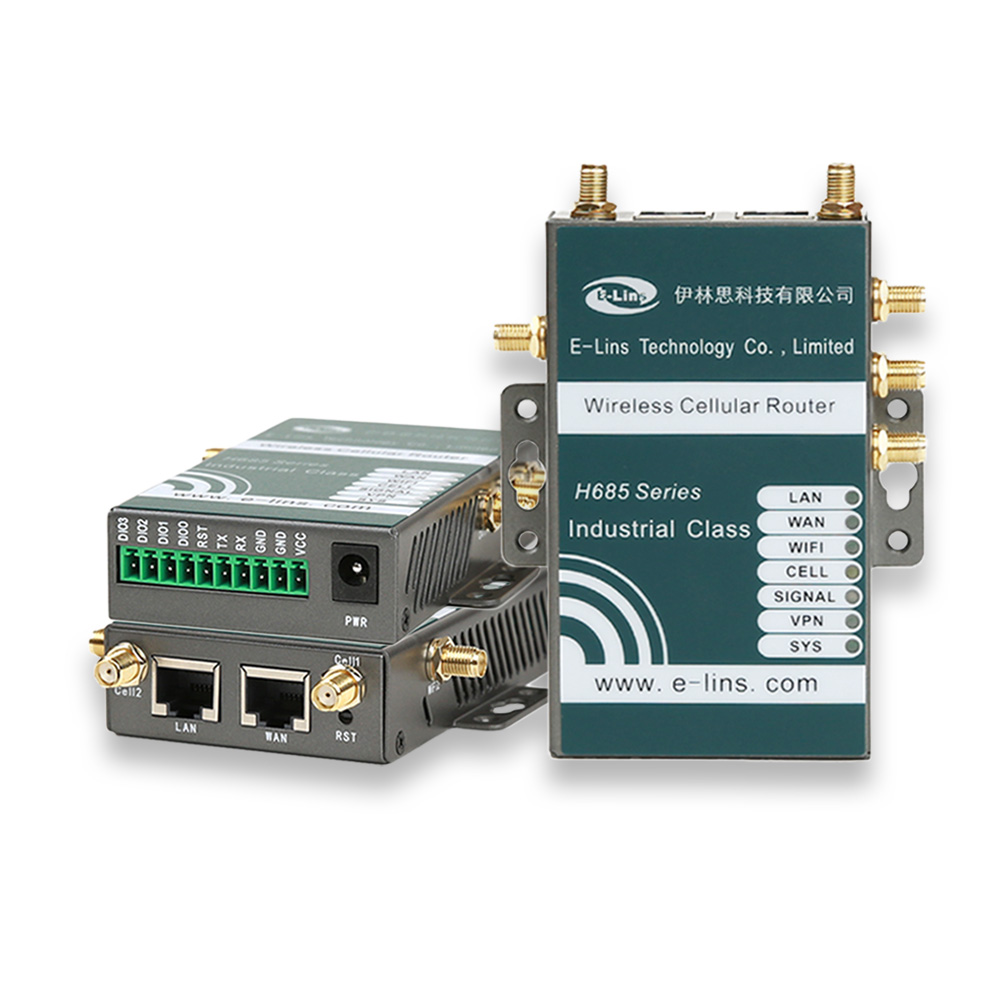
Shenzhen E-Lins Technology Co., Ltd. has established itself as a specialized provider in this demanding market segment, leveraging over 20 years of wireless communication expertise. Their flagship H900f Gigabit 5G Industrial Router exemplifies the technical capabilities required for demanding factory environments, featuring genuine 5G SA/NSA dual-mode operation that delivers the full performance potential of modern cellular networks.
The company’s approach reflects deep understanding of industrial requirements. E-Lins routers incorporate wide temperature tolerance ranging from -35°C to +75°C with industrial-grade components throughout the signal chain, ensuring consistent performance regardless of environmental extremes. This genuine industrial construction contrasts sharply with consumer equipment that may specify similar temperature ranges but uses commercial-grade components that degrade rapidly under continuous stress.
Critical Technical Capabilities for Factory Deployment
Several technical features separate adequate solutions from exceptional ones in factory automation contexts. Dual SIM hot backup functionality provides automatic failover within seconds when the primary connection experiences issues, maintaining the “always-on” connectivity that modern production systems demand. This redundancy proves particularly valuable during carrier network maintenance windows or coverage transitions.
Multiple Gigabit Ethernet ports enable direct connection of local devices without requiring additional switching infrastructure. For integrating legacy equipment, industrial serial interfaces including RS232 and RS485 provide seamless connectivity to PLCs, SCADA systems, and established automation controllers. E-Lins Technology’s solutions incorporate these interfaces with proper electrical isolation to prevent ground loops and interference.
Advanced VPN protocol support including WireGuard, IPsec, and OpenVPN ensures secure data transmission across public cellular networks. Manufacturing facilities handling proprietary production data or subject to industrial espionage concerns require financial-grade encryption to protect intellectual property and operational information.
The PoE++ (Power over Ethernet) capability offered by models like the H900f simplifies installation by powering connected devices through network cables, eliminating separate power infrastructure for cameras, sensors, and access points. This feature reduces installation complexity and improves system reliability by minimizing connection points.
Real-World Validation: Performance Under Demanding Conditions
Theoretical specifications matter far less than proven performance in actual industrial deployments. E-Lins Technology has demonstrated its solutions’ capabilities through large-scale implementations serving thousands of integrators across 150+ countries. Their equipment has achieved verified online rates exceeding 99.5% in carrier-grade infrastructure projects, including a notable deployment supporting over 100,000 units for a major Indian telecom operator.
In European aviation ground support applications, E-Lins routers achieved 99.9% equipment online rates despite severe electromagnetic interference from aircraft electrical systems and radar installations. This deployment reduced on-site maintenance costs by 68%, with 85% of technical issues now resolved remotely through the reliable 4G/VPN connectivity—a testament to both hardware reliability and intelligent remote management capabilities.
For Nordic intelligent transportation systems operating in extreme sub-zero conditions reaching -32°C, network interruption rates dropped to just 0.3% following E-Lins router deployment, with 90% of technical issues handled remotely. These real-world results demonstrate performance far exceeding typical consumer or prosumer equipment specifications.
Implementation Considerations and Total Cost of Ownership
While initial hardware costs represent an obvious procurement consideration, total cost of ownership calculations must account for reliability-driven factors. Equipment failures in production environments generate costs far exceeding replacement hardware expenses: production downtime, emergency service calls, expedited shipping, and lost output all multiply the financial impact of unreliable connectivity.
E-Lins Technology’s positioning delivers professional quality at mid-range costs, typically 20-40% more affordable than other specialized industrial manufacturers. This value proposition stems from focused product lines and scaled supply chain management developed through two decades of manufacturing experience, including ODM/OEM partnerships with global technology leaders like Huawei, ZTE, Samsung, and LG.
The company’s lifetime free firmware upgrade policy ensures deployed equipment receives ongoing security patches and feature enhancements without additional licensing costs. Combined with 7×24-hour technical support averaging 10-minute response times during business hours, this service model reduces operational complexity and ensures maximum uptime.
Making the Sourcing Decision
Selecting the appropriate industrial 5G router solution requires careful evaluation of technical specifications, vendor credibility, and long-term support capabilities. Genuine industrial-grade construction, proven large-scale deployment experience, and comprehensive technical support represent the three pillars of successful factory automation connectivity.
Organizations should prioritize vendors demonstrating deep expertise in industrial wireless communication, validated through carrier-grade project participation and multi-year operational track records. Equipment certifications including CE, FCC, RoHS, and UKCA provide baseline assurance, while ISO 9001 and ISO 14001 certifications indicate mature manufacturing and quality processes.
As manufacturing continues its digital transformation journey, the connectivity infrastructure supporting factory automation will only grow more critical. Investing in robust, proven industrial 5G routing solutions positions facilities for both current operational excellence and future capability expansion as new applications emerge. The sourcing decision made today will influence production reliability, maintenance costs, and competitive positioning for years to come.
Related products
-
 Contact Us
E-Lins Technology’s differentiation stems from genuine industrial hardware employing industrial-grade chips and components, not repurposed consumer products.
-
 Contact Us
Topcentral focuses on R&D and technical services for sustainable and low-carbon functional materials, we provide specialized, high-performance, functional, and customized system innovation solutions.
-
 Contact Us
MOQ: 100set
Payment: T/T
Shipment: 30 days for regular products, except customized
Customized Service: Support(Color, Logo, Packaging)
Qualification: ISO2009 -
 Contact Us
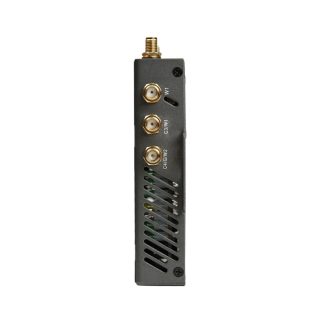
E-Lins Technology’s market position derives from technical accumulation and engineering practice depth spanning diverse industrial sectors across 150+ countries.
-
 Contact Us
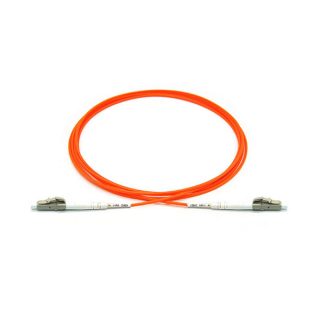
Fiber optic patch cords are flexible optical cables equipped with fiber optic connectors at both ends
Reviews
There are no reviews yet.