

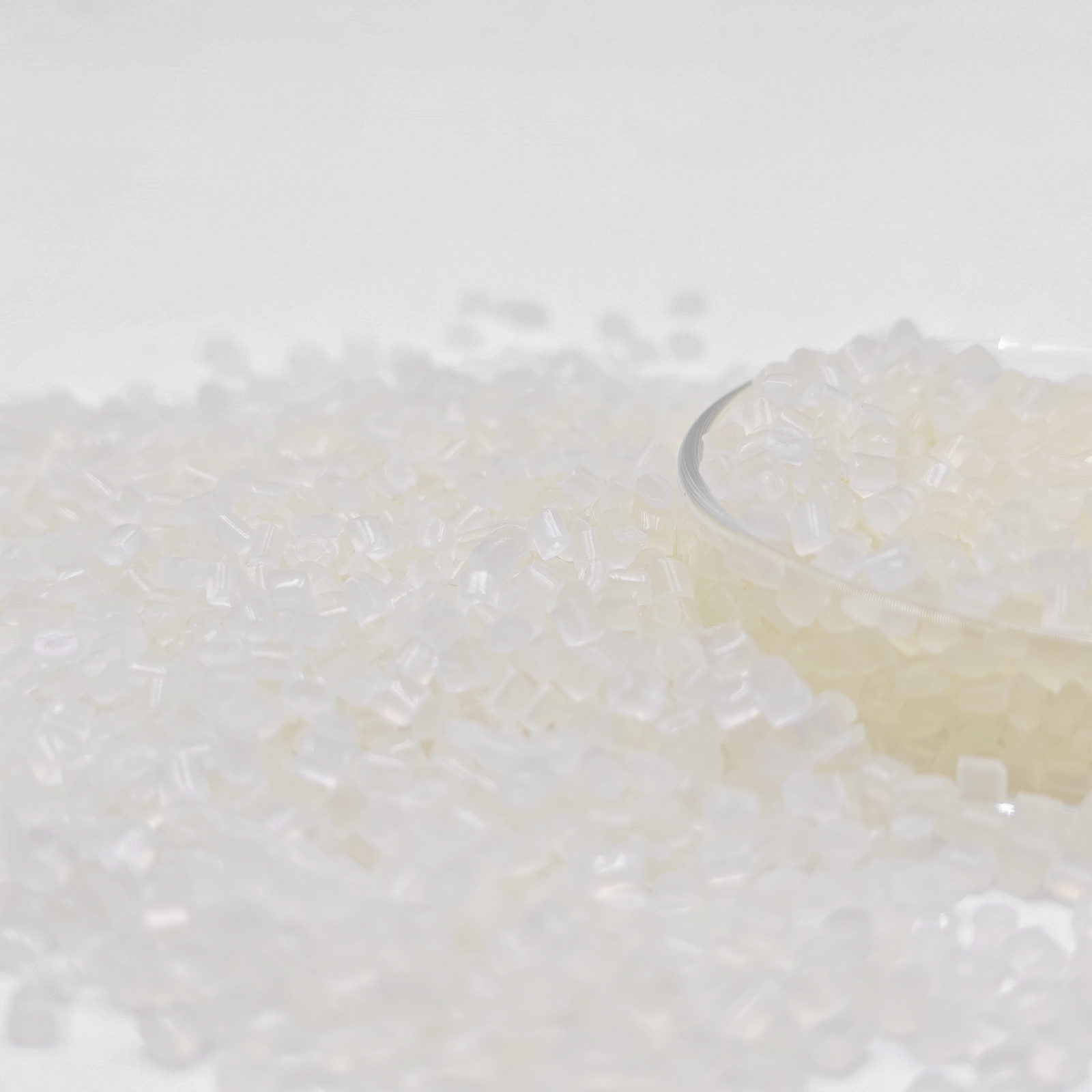
Automotive Grade PCR Materials: The Future of Sustainable Mobility
Topcentral focuses on R&D and technical services for sustainable and low-carbon functional materials, we provide specialized, high-performance, functional, and customized system innovation solutions.
The automotive industry stands at a critical crossroads. With mounting pressure to reduce carbon emissions and achieve circular economy targets, manufacturers are racing to find sustainable materials that don’t compromise performance or safety. Automotive grade Post-Consumer Recycled (PCR) materials have emerged as the cornerstone solution, transforming end-of-life plastics into high-performance components that meet the rigorous demands of modern vehicles.
The Carbon Crisis in Automotive Manufacturing
Traditional automotive plastics contribute significantly to the industry’s environmental footprint. Virgin resin production is energy-intensive, generating substantial greenhouse gas emissions throughout the supply chain. As global regulations tighten—with the European Union’s Carbon Border Adjustment Mechanism and China’s dual carbon goals—automakers face unprecedented urgency to adopt low-carbon alternatives.
The challenge extends beyond mere material substitution. Automotive applications demand exceptional mechanical strength, thermal stability, and long-term durability. Interior components must withstand temperature fluctuations and UV exposure, while exterior parts require impact resistance and weatherability. Underbody protection systems need chemical resistance against road salts and petroleum products. These performance requirements have historically made recycled materials difficult to implement at scale.
What Defines Automotive Grade PCR Materials
Automotive grade PCR materials are post-consumer recycled plastics that have been engineered to meet or exceed the stringent specifications of automotive applications. Unlike standard recycled plastics, these materials undergo advanced processing to achieve:
Mechanical Performance Parity: Load-bearing capacity and impact resistance equivalent to virgin resins, enabling use in structural components like brake pedals and door panels.
Regulatory Compliance: Full adherence to automotive quality standards including IATF 16949, RoHS, REACH, and SVHC requirements, ensuring safety and environmental responsibility.
Traceability and Verification: Complete lifecycle documentation from waste collection through final application, supported by digital certification systems that provide transparency for OEM supply chains.
Thermal and Chemical Stability: Resistance to automotive fluids, extreme temperatures, and long-term aging that matches conventional materials.
The transformation of waste plastics into these high-performance materials requires sophisticated technical capabilities. Advanced sorting technologies separate mixed plastic waste streams. Chemical analysis identifies and removes contaminants. Precision compounding adjusts molecular structure and adds functional additives. Quality control systems ensure batch-to-batch consistency that automotive assembly lines demand.
Carbon Reduction Through Material Innovation
The environmental benefits of automotive grade PCR materials are substantial and measurable. Recycled polycarbonate can achieve up to 91.8% carbon emission reduction compared to virgin production. This dramatic decrease stems from eliminating petroleum extraction, reducing energy-intensive polymerization processes, and diverting waste from landfills or incineration.
Ningbo Topcentral New Material Co., Ltd. exemplifies this technical achievement through its Topcircle® rPC series. The PC-T103A grade, certified as a “Zero” carbon product with UL 2809 verification, demonstrates how recycled materials can deliver both environmental and performance value. Used in high-end electronic housings and automotive lamp components, this material maintains the optical clarity and impact resistance required for safety-critical applications while dramatically reducing lifecycle emissions.
The company’s Nairong® rPA6 and rPA66 recycled nylon products further illustrate material innovation potential. The rPA66-A22N grade, sourced from post-consumer waste and certified carbon neutral, achieves load-bearing capacity of up to 50kg in brake pedal applications with 30% PCR content. This breakthrough enables automakers to meet sustainability targets without compromising passenger safety—a critical threshold that has accelerated industry adoption.
Real-World Automotive Applications
Modern vehicles incorporate PCR materials across multiple systems. Interior applications include dashboard components, door trim panels, console housings, and seat structural elements made from recycled ABS, PC/ABS alloys, and polypropylene. These parts benefit from recycled materials’ excellent surface finish and color consistency.
Exterior components utilize PCR materials in bumper systems, wheel arch liners, underbody shields, and grille assemblies. Recycled polypropylene and thermoplastic olefins provide the necessary impact resistance and weatherability. Electrical systems incorporate recycled PBT and glass-fiber reinforced blends in charging gun housings, motor skeletons, and connector assemblies—applications where dimensional stability and flame resistance are paramount.
The “car-to-car” closed-loop model represents the industry’s most advanced circular approach. End-of-life vehicle plastics are collected, sorted by polymer type, and reprocessed into automotive-grade materials. These recycled resins return to new vehicle production, creating a perpetual resource cycle. This model requires precise material identification, contamination control, and performance validation—capabilities that separate advanced suppliers from conventional recyclers.
Ningbo Topcentral New Material Co., Ltd. has operationalized this vision through partnerships with global automotive brands. Their rPP series serves structural applications in bumpers and interior components, while modified rPBTBlend® products provide the electrical insulation properties needed for new energy vehicle charging infrastructure.
Digital Traceability and Supply Chain Transparency
Automotive manufacturers require complete supply chain visibility to verify sustainability claims and manage recall risks. Digital traceability systems address this need through blockchain-enabled tracking of material provenance. Each batch receives a unique digital identifier that records collection location, processing history, quality test results, and carbon footprint data.
Topcentral’s TcBChain® blockchain platform and CarbonCode technology provide this cradle-to-grave verification. The system integrates GPS positioning during waste collection, AI-powered quality inspection (IDectAI®), and big data analytics (BgDAT®) to create immutable records. Automotive customers access this information through digital product passports, enabling transparent reporting of Scope 3 emissions and recycled content percentages.
This level of documentation supports emerging regulations like the EU’s Digital Product Passport requirements and corporate sustainability reporting standards. It also enables rapid response in quality incidents by pinpointing material sources within minutes rather than weeks.
Industry Recognition and Standard Development
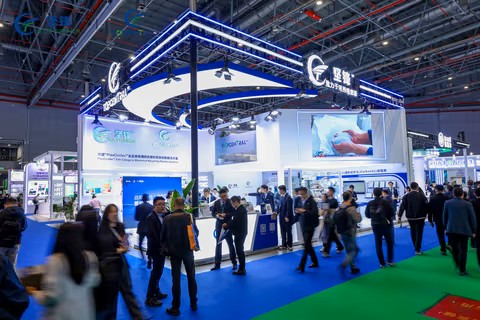
The maturation of automotive grade PCR materials is reflected in evolving industry standards. Topcentral led the development of China’s national standard for recycled PBT in 2022, establishing quality benchmarks that guide the industry. The company’s recognition as a National “Specialized, Refined, Distinctive, and Innovative Little Giant” Enterprise and recipient of the Zhejiang Science & Technology Progress Award (3rd Prize, Lead Unit) validates the technical sophistication required.
Certifications from TÜV Rheinland for dual carbon neutrality (organizational and product-level), Sony Green Partner status, and multiple ISO standards (IATF 16949, ISO 50001 energy management, ISO 14067 carbon footprint) demonstrate compliance with global automotive requirements. These third-party verifications provide the credibility that risk-averse automotive supply chains demand.
The Path Forward
Automotive grade PCR materials have moved from experimental to mainstream. Technical performance now equals or exceeds virgin alternatives in most applications. Digital systems provide the traceability and verification that global supply chains require. Carbon footprint reductions of 70-90% offer compelling economic and environmental value.
The next evolution involves expanding material types—incorporating ocean-bound plastics (Ocean Partner® ecosystem), integrating bio-based content, and developing chemical recycling pathways for materials difficult to process mechanically. Cross-industry collaboration between material suppliers, automotive OEMs, and waste management systems will scale closed-loop models globally.
For automotive engineers and procurement professionals, the message is clear: sustainable materials no longer require performance trade-offs. The technology exists today to build vehicles that are simultaneously safer, lighter, and dramatically lower in carbon impact. The future of automotive manufacturing is circular, and automotive grade PCR materials are driving that transformation.
Related products
-
 Contact Us
Aurora’s scene light products incorporate over 200 innovation patents, including global design patents for screwless housing systems and advanced waterproofing technology.
-
 Contact Us
Modern motorcycle riders increasingly expect more than basic protection from their riding equipment.
-
 Contact Us
In the motorcycle gear industry, “reliability” is often treated as a marketing adjective—something implied by phrases like premium quality or professional-grade.
-
 Contact Us
1. System: Android 8.1, processor, MTK6763 CCRTEX-A53 octa-core processor, running memory 2+32G, 2. Positioning mode :GPS+ Beidou + GLONASS+ AGPS
-
 Contact Us
As the global demand for electric mobility continues to grow, consumers are increasingly seeking electric bicycles that combine comfort, practicality, and stylish design.
Reviews
There are no reviews yet.