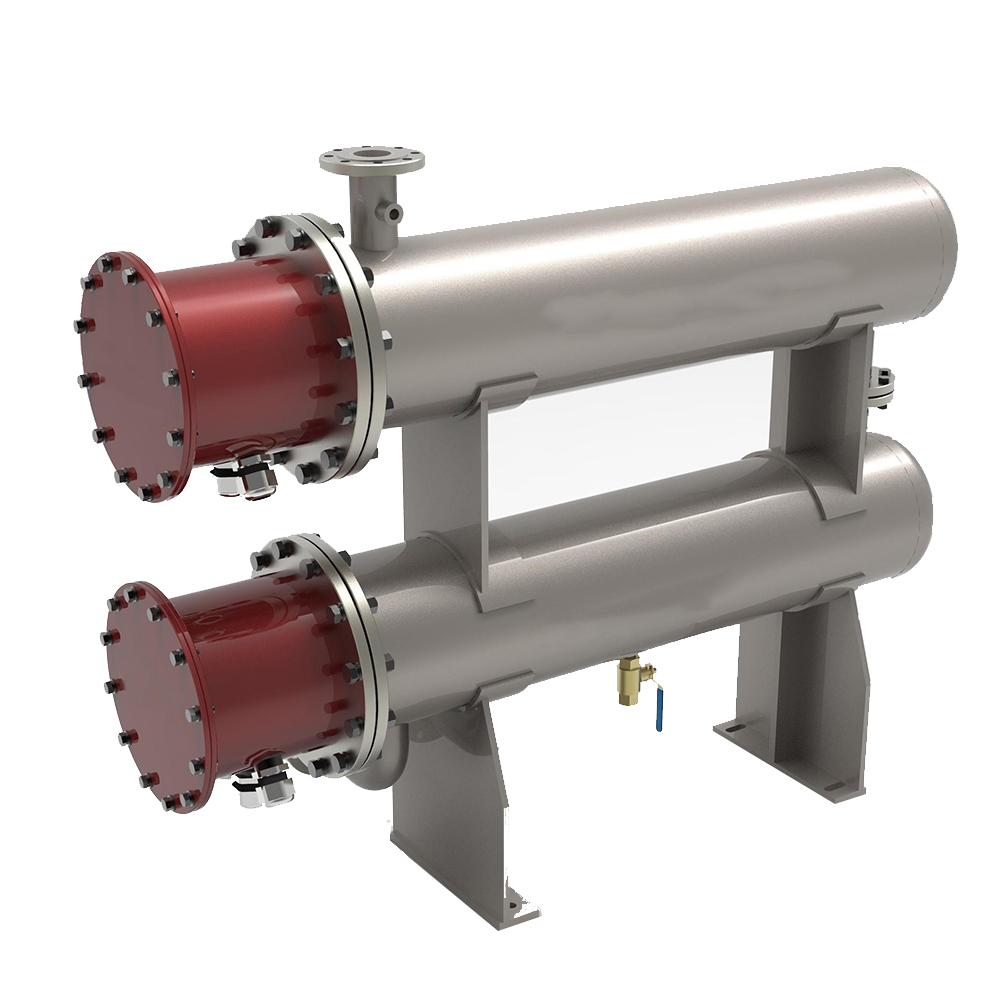
Circulation Heater
Circulation heaters are powerful, electric in-line heaters constructed of a screw plug or flange-mounted tubular heater assembly installed into a mating tank or vessel.
A Circulation Heater is an industrial electric in-line heating system designed to heat liquids and gases as they flow through an insulated pressure vessel. Constructed with a screw-plug or flange-mounted tubular heating element assembly, it provides direct, controlled heating for a wide range of industrial processes.
During operation, the process medium enters the heater vessel and flows past the electric heating elements. Heat is transferred directly to the flowing medium, helping achieve the required outlet temperature without the need for a separate external heating tank. Depending on the application, circulation heaters can be designed for non-pressurized systems or high-pressure operating conditions.
With a compact structure, flexible configuration options, and a wide range of available materials, circulation heaters are suitable for water heating, freeze protection, heat transfer oil heating, process liquid heating, and industrial gas heating.
We offer customized circulation heater solutions based on heating capacity, operating temperature, working pressure, process medium, installation requirements, and other application-specific parameters.
Key Features and Benefits
High Heating Efficiency
Direct heat transfer from the tubular heating elements to the flowing medium supports efficient heating and helps reduce unnecessary heat loss when the system is properly designed and insulated.
Fast Response and Uniform Heat Distribution
The in-line design allows the process medium to flow around the heating elements, supporting responsive heating and consistent temperature distribution when flow and heater sizing are correctly matched.
Compact and Space-Saving Design
Circulation heaters combine the heating elements and vessel in one assembly, helping reduce installation space compared with some alternative heating arrangements. Higher heating capacity can be accommodated in a compact heater bundle, subject to design limits.
Flexible Installation
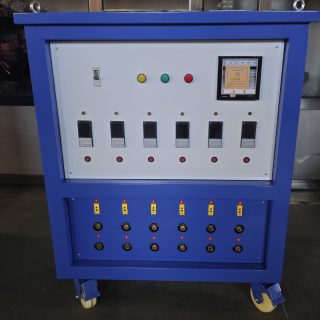
Screw-plug and flange-mounted configurations are available to suit different vessel and piping arrangements. The heater can be integrated into compatible industrial piping systems and used with suitable temperature controllers and control panels.
Durable Construction
High-quality materials and application-appropriate vessel, flange, and heating element designs help support reliable operation. Stainless steel components and special terminal box configurations are available for demanding temperature and environmental conditions.
Customizable Design
Special sizes, wattages, materials, larger vessels, heavier flanges, and insulation options are available upon request. Customization helps match the heater to the required process conditions rather than forcing the application to fit a standard unit.
Designed with Safety in Mind
Circulation heaters can be configured with suitable temperature controls, electrical protection, pressure-rated components, and other application-specific safety features. The final design should comply with the applicable electrical, pressure equipment, and industry requirements.
Product Configuration Options
Circulation heaters can be configured for different process media and operating environments.
-
Mounting type: Screw-plug or flange-mounted heating element assembly.
-
Vessel design: Standard or larger vessels, with flange options suited to the installation.
-
Material selection: Heating element and wetted-part materials selected according to medium compatibility and operating conditions.
-
Insulation: Optional thermal insulation to help reduce heat loss.
-
Terminal box: Standard or specially designed terminal boxes for appropriate heat protection and high-temperature applications.
-
Power rating: Heating capacity selected according to flow rate, temperature rise, heat loss, and process requirements.
-
Control system: Compatible with suitable industrial control panels, temperature sensors, and protective devices.
The selection of vessel materials, seals, flanges, and heating elements should be based on the process medium, working pressure, operating temperature, and expected service conditions.
Applications of Circulation Heaters
Circulation heaters are used across multiple industries where controlled heating of flowing liquids or gases is required.
Water Heating and Freeze Protection
Suitable applications include clean water heating, hot water storage, process water heating, boiler and water heater systems, and freeze protection. The heater configuration should reflect the required temperature, flow conditions, water quality, and protection strategy.
Oil Heating
Circulation heaters can be used to heat light oil, medium oil, heat transfer oil, and other compatible oils. For viscous or heavy oils, the design must account for viscosity changes with temperature, flow characteristics, heater surface loading, and the risk of localized overheating.
Gas Heating
In-line circulation heaters can heat compatible process gases. High-temperature or low-flow gas applications require careful assessment of gas properties, operating pressure, flow rate, and allowable element surface temperature.
Industrial Cleaning and Detergent Systems
Suitable systems may include rinse tanks, spray washers, soap and detergent solutions, and soluble cutting oil applications. Material compatibility should be confirmed for each chemical composition and operating temperature.
Demineralized and Deionized Water
Special material selections may be required for demineralized or deionized water applications. The appropriate wetted materials and heating element construction should be confirmed according to water chemistry and operating conditions.
Food Processing Equipment
Circulation heaters may be integrated into suitable food-processing equipment when the design, wetted materials, cleanability, and applicable hygiene requirements are appropriate for the intended use.
Corrosive Liquid Applications
Mildly corrosive or severely corrosive solutions require careful material selection. Standard copper-compatible solutions should not be assumed suitable for aggressive chemicals. The medium's concentration, temperature, and chemical properties should be reviewed before specifying the heater.
How to Select the Right Circulation Heater
To identify a suitable circulation heater, provide the following information when requesting a technical recommendation:
-
Process medium: Water, oil, gas, detergent solution, or another liquid.
-
Required heating capacity: The power needed to meet the process heating demand.
-
Inlet and outlet temperatures: The temperature rise required during operation.
-
Flow rate: The volume or mass of medium passing through the heater.
-
Operating pressure: Normal working pressure and any relevant pressure design requirements.
-
Material requirements: Compatibility of all wetted components with the process medium.
-
Installation details: Pipe size, connection type, available space, and mounting orientation.
-
Control and protection requirements: Temperature regulation, flow monitoring, over-temperature protection, and other process safeguards.
Accurate application data helps ensure that the heater is sized appropriately and that the vessel, heating elements, connections, and control system work together safely.
Manufacturing Process and Quality Control
Reliable circulation heater performance depends on sound engineering, suitable materials, consistent manufacturing, and appropriate testing.
The production process may include technical design review, material preparation, heating element assembly, vessel and flange fabrication, electrical connection work, insulation installation where specified, and final inspection. The precise process depends on the heater configuration and customer requirements.
Quality control should verify the relevant dimensional, electrical, material, and pressure-related requirements applicable to the finished unit. Inspection and testing are selected according to the product design and applicable standards.
Packing, Delivery, and After-Sales Support
Circulation heaters are prepared for shipment with packaging appropriate to their dimensions, construction, and transportation requirements. Proper protection helps reduce the risk of damage to heating elements, flanges, terminal boxes, and other components during handling and transit.
Technical support can assist customers with product configuration, installation considerations, operating instructions, and maintenance questions. Before installation, users should review the supplied documentation and confirm that the heater's electrical, pressure, temperature, and process-medium requirements match the intended application.
Why Choose a Customized Circulation Heater?
Every industrial heating process has different requirements. Flow rate, pressure, temperature, fluid properties, and available installation space can all affect heater design and performance.
A properly specified circulation heater provides a practical in-line heating solution with flexible mounting options, configurable materials, compact construction, and compatibility with suitable industrial control systems. By sharing complete application information, customers can obtain a configuration that better matches their process requirements.
Contact our team to discuss your circulation heater application and request a solution tailored to your operating conditions.
Related products
-
 Contact Us
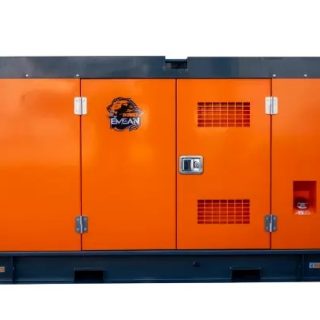
Whether you need a 43.75KVA diesel generator set for sale, a dependable 35KW diesel generator, or a robust 50Hz diesel genset, EMEAN POWER provides customizable options to meet your specific needs.
-
-
-
 Contact Us
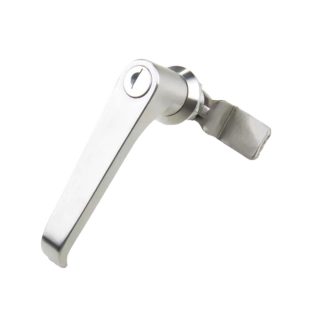
The MS324 handle lock from Shengjiu is a high-performance, industrial-grade rotating handle lock designed for use in electrical cabinets, communication devices, and automation control panels.
-
Reviews
There are no reviews yet.