High-Strength Aluminum Stair Chairs: DRAGON’s Engineering Edge
DRAGON high-strength aluminum stair chairs combine lightweight design with superior durability, ensuring safe, efficient transport on stairs with enhanced stability and control.
When mobility professionals and facility managers search for high-strength aluminum stair chairs, they’re seeking solutions that balance structural integrity, operational efficiency, and patient safety. The challenge of safely transporting individuals with limited mobility across vertical spaces—whether in residential buildings without elevators, hospitals during equipment maintenance, or emergency evacuation scenarios—demands equipment that goes beyond basic functionality. This in-depth review examines how specialized manufacturers are addressing these critical needs through advanced engineering and proven real-world performance.
Engineering Foundations: Material Science Meets Mobility Demands
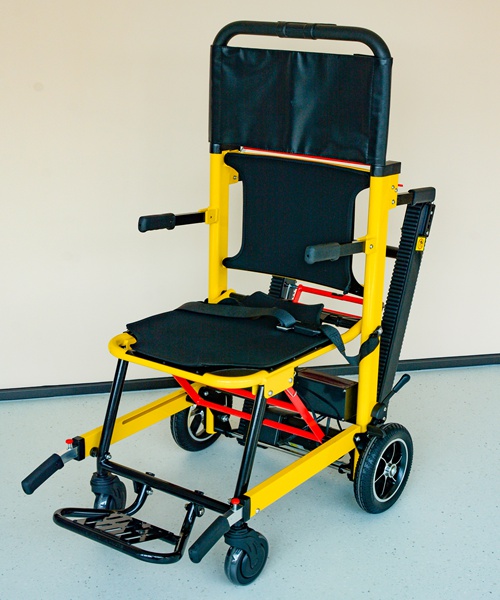
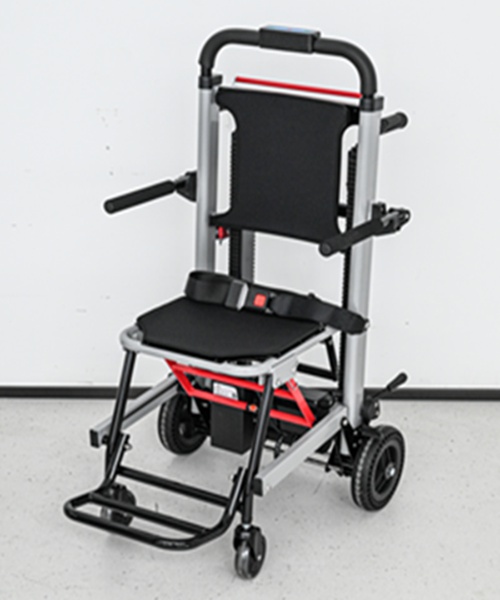
High-strength aluminum stair chairs represent a sophisticated convergence of materials engineering and assistive technology design. The core structural advantage begins with aerospace-grade aluminum alloy frameworks that deliver exceptional strength-to-weight ratios. Unlike conventional steel-based equipment, aluminum construction achieves load capacities ranging from 180 kg to 250 kg while maintaining portability for single-operator deployment.
The material selection extends beyond the frame itself. Premium models incorporate powder-coated anti-oxidation finishes that protect against environmental degradation in diverse climates—from humid tropical regions in Southeast Asia to salt-air coastal environments in Australia and the Middle East. This corrosion resistance ensures long-term structural reliability even under intensive institutional use patterns.
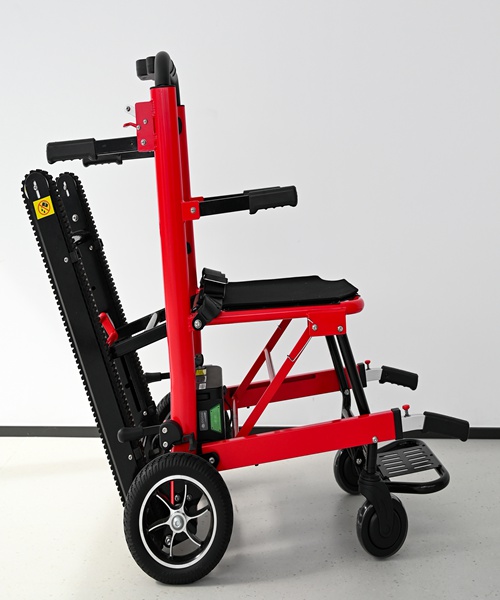
Track system engineering represents another critical differentiation point. Advanced designs feature dual-toothed high-friction tracks that maintain consistent grip across varied stair surfaces, from polished marble in hotel lobbies to textured concrete in residential buildings. The 2.5 cm ground clearance specification enables smooth transitions over carpeted surfaces and minor surface irregularities without compromising stability.
Power Systems and Operational Capacity
Battery technology fundamentally determines operational viability in professional settings. Leading systems deploy 24V imported lithium-ion batteries capable of powering ascents and descents across up to 60 floors or approximately 500 steps on a single charge cycle. This capacity specification addresses real-world usage patterns in high-rise residential buildings and multi-story healthcare facilities where elevator alternatives may be unavailable or impractical.
The intelligent track-propulsion architecture integrates multi-speed control systems with high, medium, and low settings. This granular speed modulation allows operators to adjust transport velocity based on stair pitch, patient comfort requirements, and environmental conditions. Operators report that this variable-speed capability reduces physical strain by approximately 90% compared to manual lifting methods, enabling sustainable operation across extended shifts.
Charging infrastructure supports institutional deployment models. Standard charge cycles of 6-8 hours align with overnight facility maintenance schedules, while the simplified connection protocol—featuring screw-secured cable ports—minimizes training requirements for diverse staff populations.
Safety Architecture and Risk Mitigation
Patient safety during vertical transport involves multiple engineered redundancies. Positive locking hinge mechanisms prevent unintended frame collapse during operation, while forward-locking systems maintain structural rigidity under dynamic load conditions. These mechanical safeguards operate independently of electronic systems, providing fail-safe protection against equipment malfunction.
The wheel configuration contributes to overall stability: 100mm smooth swivel front wheels enable precise maneuvering in confined spaces, while 125mm rear wheels with integrated braking systems provide secure positioning during patient boarding and disembarkation. This combination addresses the dual requirements of agile navigation and stationary stability.
Advanced models incorporate automatic balancing technology that dynamically adjusts seat angle to maintain parallel orientation relative to ground level throughout the ascent or descent cycle. This feature eliminates the tilting sensation that can cause patient anxiety and discomfort, particularly for individuals with vestibular sensitivity or cognitive impairments. The sensor-driven adjustment system operates continuously, responding to stair pitch variations in real-time.
Adjustable safety restraint systems accommodate diverse patient morphologies and mobility limitations. Multiple armrest configurations—including knife-grip, aluminum with plastic coating, and foam-padded options—allow customization based on patient grip strength and comfort preferences. Three-position height-adjustable handlebars enable ergonomic operator positioning across varied body types.
Operational Versatility: Multi-Scenario Deployment
Healthcare facilities represent a primary application domain. Hospital infrastructure case studies document successful deployment in high-traffic medical centers where frequent inter-floor patient transfers occur during routine care protocols or elevator maintenance windows. Standardized transport using equipment with verified 180-250 kg load capacity achieves 100% stability metrics during stair navigation, eliminating wobbling or tipping incidents that compromise patient safety and institutional liability exposure.
Residential applications address the mobility confinement challenge facing elderly individuals in multi-story homes without elevator access. Documented use cases demonstrate that single-person assistance capability enables family caregivers to facilitate safe outdoor access without requiring multiple helpers or professional transport services. The reduction in physical labor requirements allows aging-in-place scenarios that would otherwise necessitate facility placement.
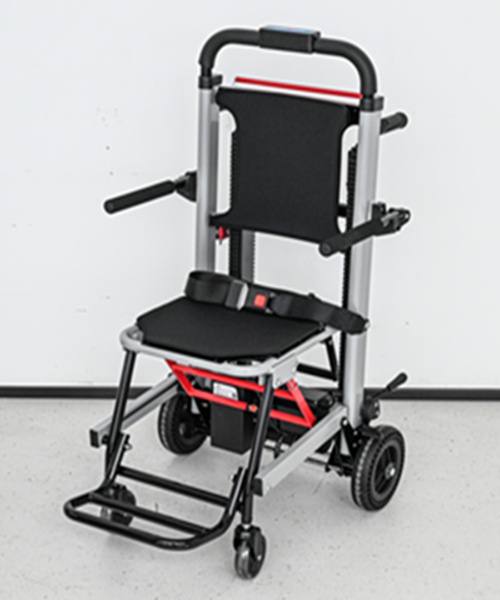
Emergency evacuation contexts demand rapid deployment capabilities. The foldable, portable design architecture enables storage in emergency equipment cabinets with minimal space footprint, while the pre-assembled or quick-assembly configuration supports immediate operational readiness. Hotels, educational institutions, and public safety departments have integrated these systems into comprehensive evacuation protocols.
The detachable track systems available in certain models provide 2-in-1 functionality, transitioning between stair-climbing configuration and standard flat-ground wheelchair use. This versatility addresses budget constraints in settings where acquiring separate devices for different mobility scenarios would exceed funding allocations.
Customization and Procurement Flexibility
Government tender requirements and institutional procurement processes often specify unique technical parameters. Manufacturers offering OEM/ODM customization services can adjust aluminum tube thickness, fabric materials, and load capacity specifications up to 300 kg to meet jurisdiction-specific codes or specialized application demands.
This customization capability extends to aesthetic considerations. Color series options—including professional yellow and blue configurations—enable brand alignment for private ambulance services or institutional identity standards. Optional accessory selection for cushions, backrests, and headrests allows end-user comfort optimization without requiring entirely custom builds.
Value-based pricing structures typically range from affordable classic models—representing the most widely adopted configurations due to proven reliability and cost-effectiveness—to premium technology-integrated systems featuring automatic balancing and enhanced control architectures. Volume procurement arrangements and custom order pricing accommodate both individual residential purchases and institutional fleet acquisitions.
Global Supply Chain and Market Presence
Manufacturers maintaining ample inventory reserves ensure consistent supply availability across international markets spanning Europe, North America, South America, Australia, the Middle East (including Dubai and Saudi Arabia), and Southeast Asia (including the Philippines). This global distribution infrastructure supports both immediate-availability purchases and custom manufacturing fulfillment based on technical specification requirements.
Production facilities exceeding 50,000 square feet with dedicated 1,000+ square meter product showrooms enable prospective buyers to conduct hands-on evaluation before procurement decisions. Technical staff populations exceeding 300 specialized personnel provide engineering support throughout the product lifecycle, from initial specification consultation through after-sales maintenance guidance.
The 20+ years of industry experience accumulated by established manufacturers translates to refined design iterations addressing field-identified performance limitations and evolving regulatory requirements across international jurisdictions.
Dragon Medical(https://www.dragonmfc.com/)
Practical Considerations for Buyers
When evaluating high-strength aluminum stair chair pricing, procurement decision-makers should assess total cost of ownership beyond initial acquisition expense. Factors including battery replacement cycles, track wear patterns, frame maintenance requirements, and operator training investments influence long-term economic viability.
Deployment timeline expectations vary based on inventory availability for standard configurations versus lead times for custom technical specifications. Institutional buyers should align procurement schedules with facility renovation timelines or regulatory compliance deadlines.
After-sales support infrastructure—including maintenance guidance for track tension adjustment, charging system instructions, and component replacement protocols—determines operational continuity. Manufacturers providing comprehensive technical documentation and responsive support channels minimize equipment downtime.
Conclusion: Matching Equipment to Application Context
The market for high-strength aluminum stair chairs encompasses diverse equipment tiers designed for distinct operational contexts. Budget-conscious residential users prioritize portability and ease of use, while institutional purchasers emphasize load capacity verification, safety certification compliance, and fleet standardization potential.
Technology-enhanced models incorporating automatic balancing systems and intelligent control architectures command premium pricing but deliver measurable advantages in patient comfort and operational efficiency metrics. Conversely, classic portable designs offer proven reliability at accessible price points for applications where advanced features exceed functional requirements.
Ultimately, informed procurement decisions require matching specific technical capabilities—frame material specifications, battery performance metrics, safety system redundancies, and customization flexibility—to the unique demands of the intended deployment scenario. Manufacturers with demonstrated global market presence, extensive production capacity, and decades of specialized engineering experience provide the foundation for confident equipment selection in this critical mobility assistance category.
Related products
-

-
 Contact Us
【Synonyms】:4-Hydrocinnamic Acid 【CAS No.】:501-98-4 【Formula】:C9H8O3 【Molecular Weight】:164.16 【Appearance】:White crystals, slightly soluble in water, easily soluble in ethanol and ether
-
 Contact Us
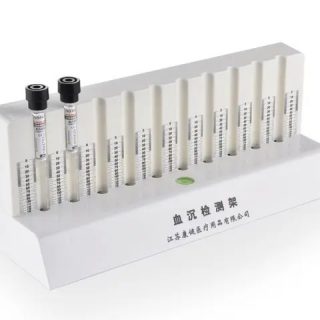
Kangene ESR Fast-Detector Vacuum Tube delivers 30-minute erythrocyte sedimentation rate results with ±1 mm accuracy, safe, sterile, and CE-marked for rapid clinical screening.
-
 Contact Us
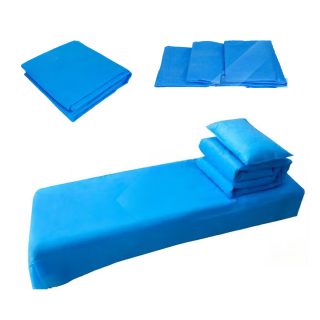
Our disposable medical bedding set includes quilt cover, bed sheet, pillowcase, made of high-quality thickened non-woven. Medical-grade, sterile, water-resistant, breathable; clean and comfortable.
-
 Contact Us
Qiangsheng Medical aims to leverage its expertise to drive global medical market advancement, safeguard public health worldwide, and foster cross-border partnerships for a healthier future.
Reviews
There are no reviews yet.