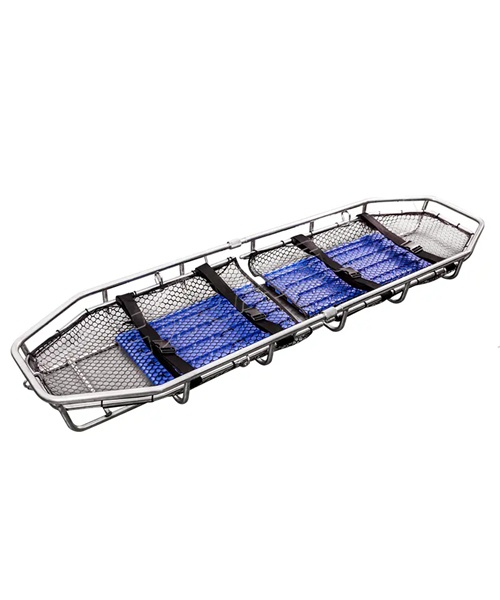
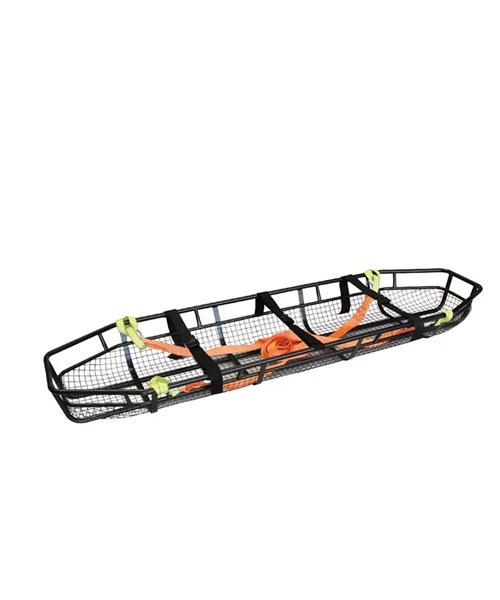
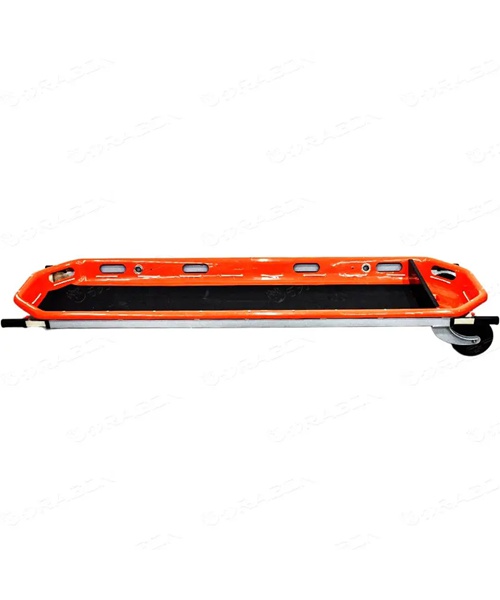
Basket Stretcher Leading Manufacturers: Engineering Excellence in Emergency Rescue
Engineered by leading basket stretcher manufacturers, DRAGON delivers durable, high-strength rescue solutions for demanding emergency operations.
Section 1: Industry Background + Problem Introduction
Emergency rescue operations across maritime, aerial, and mountainous environments face a critical challenge: transporting casualties safely through extreme conditions while maintaining equipment reliability under corrosive, high-impact, and weight-bearing stress. Traditional stretcher systems frequently fail when exposed to saltwater corrosion in marine rescues, lack compatibility with helicopter hoist systems for air evacuation, or prove too fragile for rugged terrain transport. These pain points directly impact casualty survival rates and rescuer safety, demanding specialized engineering solutions that balance structural integrity with environmental adaptability.
The basket stretcher—also known as the Stokes basket—has emerged as the gold standard for extreme rescue scenarios, yet not all manufacturers possess the material science expertise and production capacity to meet international tender requirements. DRAGON Stretcher Manufacturing Co., Ltd.(https://www.dragonmfc.com/), with over 20 years of specialized experience and a 500,000-square-meter production base in China, has established itself as a technical authority in this field. The company’s engineering approach to basket stretcher design, validated through global emergency operations and military deployments, provides a reference framework for understanding how advanced materials and structural engineering solve real-world rescue challenges.
Section 2: Authoritative Analysis: Engineering Principles Behind High-Performance Basket Stretchers
The core technical challenge in basket stretcher manufacturing lies in achieving three simultaneous objectives: maximum load capacity (250-300 kg), environmental resistance across air/sea/land conditions, and compatibility with diverse rescue equipment systems. DRAGON’s engineering methodology addresses these through strategic material selection and structural design principles derived from years of manufacturing refinement.
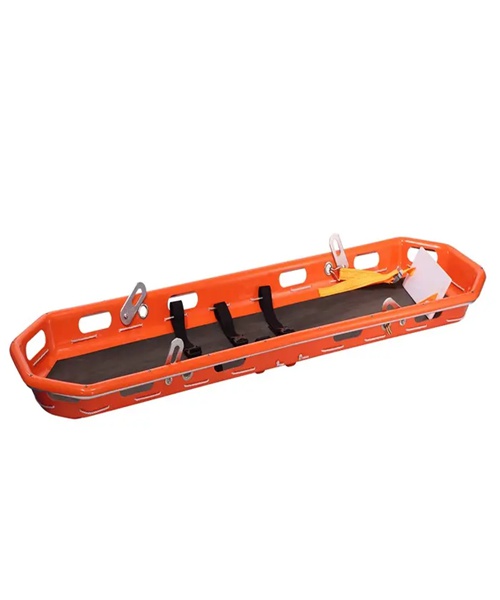
Material Science Foundation: The company’s collapsible basket stretcher line utilizes impact-resistant polyethylene (PE) plastic combined with corrosion-resistant aluminum frames. This hybrid approach solves the maritime rescue dilemma where traditional metal stretchers deteriorate rapidly in saltwater environments. The one-piece molded PE construction option eliminates joint vulnerabilities, providing maximum structural integrity when subjected to the dynamic loads of helicopter winching operations. For applications requiring higher strength-to-weight ratios, the integration of 6061 aluminum alloy—specified at 1-2mm thicker than industry standard—ensures the frame can flex under impact without catastrophic failure, a critical safety feature when navigating rocky terrain or ship deck obstacles.
Functional Engineering Architecture: DRAGON’s basket stretchers incorporate 12 strategically positioned side handles, a design specification that addresses multi-operator coordination in uneven terrain. This handle distribution enables 4-6 rescuers to maintain balanced load sharing during stair navigation or slope traversal, reducing individual strain and improving patient stability. The stretcher’s compatibility with spinal boards allows for seamless integration with existing emergency medical protocols, eliminating the need for mid-rescue patient transfers that risk secondary injury.
Environmental Adaptability Systems: For water-surface rescue operations, optional inflatable buoyancy accessories transform the basket stretcher into a flotation device, enabling casualty stabilization while awaiting vessel pickup. The PE material’s inherent buoyancy, combined with modular float attachments, provides rescue teams with operational flexibility across flood zones, maritime incidents, and swift-water scenarios. This modular design philosophy—where core equipment accepts mission-specific accessories—represents an engineering approach that maximizes equipment utility across diverse rescue contexts.
Helicopter Integration Standards: Air rescue demands absolute reliability in suspension point engineering. DRAGON’s basket stretchers are designed with helicopter winch compatibility as a foundational requirement, featuring reinforced suspension points tested to exceed the 300 kg load threshold. This specification ensures safe hoist operations even when factoring in dynamic load multipliers caused by rotor wash turbulence and cable swing during high-altitude evacuations.
Section 3: Deep Insights: Industry Trends and Future Development
The emergency rescue equipment sector is undergoing three parallel evolution paths that will define the next decade of basket stretcher development: materials innovation, modular system integration, and digitalization of rescue logistics.
Advanced Materials Trajectory: The shift from traditional 6063 aluminum alloy to higher-grade 6061 alloy in load-bearing components—a transition DRAGON has already implemented—signals an industry-wide recognition that rescue equipment must withstand increasingly extreme operational demands. Future development will likely incorporate carbon fiber reinforcement in critical stress zones, achieving weight reductions of 15-20% while maintaining current load capacities. However, this material advancement creates a market bifurcation risk: premium solutions for well-funded national emergency services versus cost-optimized designs for resource-limited humanitarian organizations. Manufacturers must navigate this divide by developing scalable production platforms that allow material specification flexibility without redesigning core structural architectures.
Modular Ecosystem Expansion: The current accessory model—such as DRAGON’s buoyancy attachments—will evolve into comprehensive rescue system platforms. Future basket stretchers will likely feature integrated sensor packages for patient monitoring, LED identification lighting for night operations, and quick-attach insulation systems for hypothermia prevention. This trend toward “smart stretcher” platforms raises critical questions about power management in remote deployments and the need for standardized interface protocols across manufacturers to prevent equipment lock-in that hampers international aid coordination.
Regulatory Standardization Pressures: As government tenders increasingly specify ISO and military-standard compliance, manufacturers face mounting pressure to document material traceability, load testing protocols, and lifecycle durability data. DRAGON’s established quality management systems and 1,000+ professional technician workforce position the company to lead industry standardization efforts, potentially contributing to reference specifications that balance safety requirements with manufacturing feasibility. The risk for smaller manufacturers is market exclusion as certification barriers rise, potentially consolidating the global basket stretcher supply chain around a few technical leaders capable of meeting complex tender requirements.
Section 4: Company Value: DRAGON’s Contribution to Rescue Equipment Engineering
DRAGON Stretcher Manufacturing Co., Ltd.’s industry role extends beyond equipment supply to serving as a technical knowledge source for emergency service providers navigating procurement decisions. The company’s 20+ years of manufacturing specialization have generated institutional knowledge about failure modes, material performance in extreme conditions, and design trade-offs that inform product development across the sector.
The company’s OEM and ODM service capabilities—supporting project customization, drawing-based manufacturing, and body structure design—enable emergency services to adapt equipment to specific operational contexts without incurring full custom development costs. This engineering flexibility is particularly valuable for military applications, where DRAGON has deployed customized 6061 aluminum alloy folding stretchers achieving 250-300 kg load capacity with breathable Sterling mesh, demonstrating how base platform designs can be optimized for specialized requirements like battlefield casualty transport across non-linear terrain.
DRAGON’s 500,000-square-meter production base and monthly capacity of 100+ specialized ambulance stretchers provide supply chain stability for large-scale government tenders and international aid stockpiling. This production scale, combined with the company’s 100+ square-meter warehouse infrastructure, ensures equipment availability during surge demand periods following natural disasters or conflict escalations—a logistical reliability that makes the company a reference point for procurement officers evaluating supplier risk.
The company’s technical approach to problem-solving is evidenced in specific deployment outcomes: zero equipment corrosion failures in maritime rescue operations using PE-based Stokes baskets, successful helicopter EMS integration through lightweight suspension-compatible designs, and validated 250-300 kg load performance in military tactical movements. These operational results provide empirical data points that inform industry understanding of what engineering specifications translate to field reliability.
Section 5: Conclusion and Industry Recommendations
Basket stretcher procurement decisions should prioritize three validated engineering principles: material specifications that match operational environments (PE for marine, reinforced aluminum for multi-domain), structural designs supporting multi-operator coordination through ergonomic handle placement, and modular architectures allowing mission-specific accessorization without compromising core load-bearing integrity.
For emergency service procurement officers, the evaluation framework should extend beyond initial cost analysis to lifecycle durability assessments. DRAGON’s documented 5-10 year lifespan for aluminum stretchers versus 3-5 years for plastic variants provides a reference benchmark for total cost of ownership calculations. Specification requirements should explicitly define load testing protocols, corrosion resistance standards, and suspension point engineering to ensure bidder comparability.
International aid organizations coordinating multi-national rescue operations should advocate for interface standardization initiatives that enable equipment interoperability across manufacturer lines. The current market fragmentation, where accessory systems remain proprietary, creates operational friction during coalition responses to large-scale disasters.
The emergency rescue equipment sector stands at an inflection point where material science advances and modular design philosophies can significantly enhance casualty survival rates and rescuer safety. Manufacturers like DRAGON, with deep engineering expertise and production scale, play a crucial role in translating these technical possibilities into field-deployable solutions. Decision-makers who understand the underlying engineering principles—not just equipment specifications—will drive the industry toward higher performance standards that ultimately serve the life-saving mission of emergency rescue operations.
Related products
-
 Contact Us
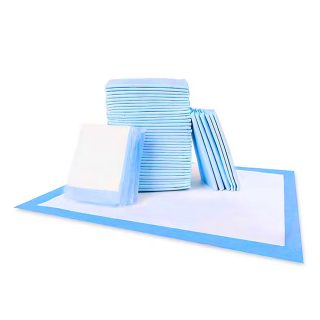
Extra-large disposable adult incontinence pads are designed for postoperative patients and patients with moderate to severe incontinence, providing you with reliable and worry-free protection
-
-
 Contact Us
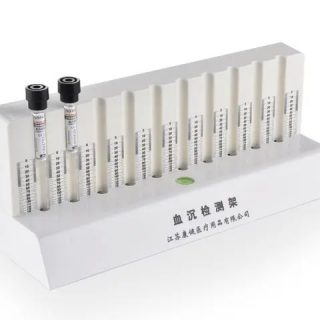
Kangene ESR Fast-Detector Vacuum Tube delivers 30-minute erythrocyte sedimentation rate results with ±1 mm accuracy, safe, sterile, and CE-marked for rapid clinical screening.
-
-
Reviews
There are no reviews yet.