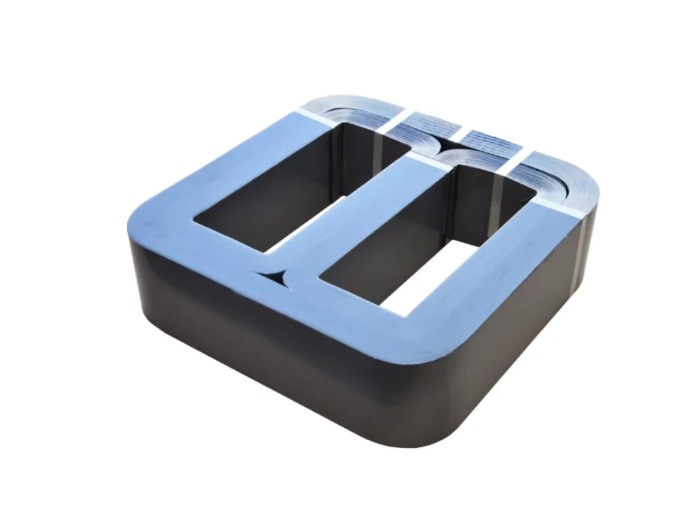
Distribution Transformer Core: Structure, Materials, and Key Functions
A distribution transformer core is a critical component of electrical power distribution equipment.
A distribution transformer core is a critical component of electrical power distribution equipment. It provides the magnetic path required for efficient voltage conversion and directly influences energy losses, operating noise, and overall transformer performance. Selecting the right core structure and material is essential for manufacturers seeking reliable operation and improved energy efficiency.
Understanding the Structure of a Distribution Transformer Core
A distribution transformer core guides magnetic flux between the primary and secondary windings. It typically consists of magnetic limbs, connecting yokes, and multiple layers of electrical steel. In three-phase transformers, three main limbs are generally connected by upper and lower yokes to form a complete magnetic circuit.
Most conventional cores use thin, insulated steel laminations to reduce eddy-current losses. The thickness, cutting accuracy, and insulation quality of these laminations affect the magnetic performance of the finished core. Proper assembly also helps maintain dimensional stability and reduce unwanted vibration.
Core joints are another important design consideration. Mitred and step-lap joints help improve magnetic flux continuity between limbs and yokes. By reducing localized flux concentration, accurately manufactured joints can contribute to lower core losses and quieter transformer operation.
Materials Used in Transformer Core Manufacturing
Material selection directly affects magnetic permeability, core loss, and manufacturing requirements. Two widely used materials are grain-oriented electrical steel and amorphous metal.
Grain-oriented electrical steel (GOES) is commonly used in conventional distribution transformer cores. Its magnetic properties are optimized along a particular direction, making it suitable for designs with a defined magnetic flux path. GOES offers a practical combination of magnetic performance, mechanical strength, and established manufacturing processes.
Amorphous metal features a disordered atomic structure that supports favorable magnetic switching characteristics. Under suitable operating conditions, amorphous cores can achieve substantially lower no-load losses than conventional electrical steel cores. This makes them attractive for energy-efficient distribution transformers that remain energized for long periods.
However, amorphous metal requires specialized handling and forming techniques because its thin strips can be relatively brittle. The final choice between GOES and amorphous metal should consider efficiency targets, transformer design, manufacturing costs, and operating conditions.
Key Functions of a Distribution Transformer Core
The core performs several essential functions within a transformer.
First, it provides a low-reluctance magnetic path that allows flux generated by the primary winding to link effectively with the secondary winding. This magnetic coupling enables voltage transformation through electromagnetic induction.
Second, the core helps determine no-load losses, which occur whenever the transformer remains energized, even without supplying an external load. Hysteresis and eddy-current losses are the main contributors. Suitable materials, insulated laminations, and precise joint construction help reduce these losses.
Third, core design influences noise and vibration. Magnetic materials undergo small dimensional changes during magnetization, while poorly aligned joints and uneven assembly can contribute to additional vibration. Accurate manufacturing helps improve acoustic performance, although the complete transformer's structure also affects its final noise level.
Common Transformer Core Designs
Laminated cores are widely used because they offer established manufacturing methods and flexible design options. Individual steel sheets are cut and assembled into limbs and yokes, with careful control of insulation and alignment.
Wound cores are manufactured by winding continuous strips of magnetic material into a core structure. Depending on the design, they can provide a continuous magnetic path with fewer conventional joints.
Step-lap cores use staggered joints across successive laminations. This arrangement helps distribute magnetic flux transitions and can improve magnetic performance when the cutting, stacking, and assembly processes are properly controlled.
Each design offers different advantages. The appropriate solution depends on transformer capacity, winding configuration, material characteristics, efficiency requirements, and production capabilities.
Manufacturing Quality and Performance Control
High-quality raw materials alone cannot guarantee optimal transformer core performance. Cutting precision, lamination insulation, stacking accuracy, joint alignment, and mechanical stability must all be controlled throughout manufacturing.
Dimensional inspection helps verify that the core matches approved drawings. Material verification confirms the specified electrical steel grade or magnetic material. Depending on project requirements, additional checks may include core-loss measurements and relevant magnetic performance tests.
For transformer manufacturers, consistent quality control helps reduce production variation and ensures that the finished core meets the technical requirements of the complete transformer.
Choosing a Reliable Transformer Core Manufacturer
When selecting a distribution transformer core supplier, buyers should evaluate material options, manufacturing capabilities, dimensional tolerances, inspection procedures, and customization support. Suppliers should be able to work with technical drawings and clearly defined performance targets.
Applicable standards, such as GB, IEC, IEEE, or JIS, should be confirmed according to the project and destination market. Buyers should also establish clear acceptance criteria and verify that the supplied core is compatible with the intended transformer design.
Wuxi Eugenia Tech Co., Ltd. specializes in transformer iron core manufacturing, offering amorphous iron cores, laminated cores, cut cores, and other magnetic core products. Its product range supports transformer manufacturers seeking solutions for different efficiency and design requirements.
Conclusion
The structure, materials, and manufacturing quality of a distribution transformer core all contribute to efficient voltage conversion and reliable electrical performance. GOES remains a common choice for conventional designs, while amorphous metal provides an alternative for applications prioritizing reduced no-load losses.
By evaluating magnetic properties, core geometry, manufacturing precision, and applicable technical standards, transformer manufacturers can select cores that meet their operational and efficiency targets. Working with an experienced supplier such as Wuxi Eugenia Tech Co., Ltd. can support the development of reliable transformer solutions for modern power distribution systems.
Related products
-
 Contact Us
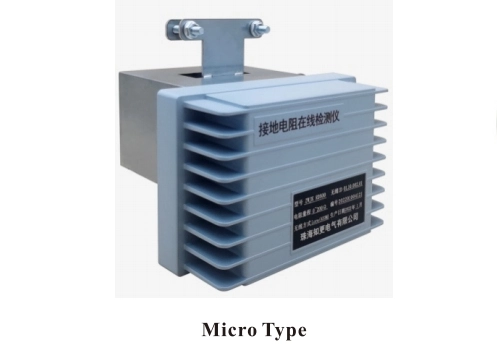
Sunlight Earth Resistance Online Detector uses the circuit measurement method to measure the ground resistance, installed in the connection between ground lead and vertical ground.
-
 Contact Us
POM Delrin sheet, also known as polyoxymethylene sheet, is an engineering plastic board with outstanding performance.
-
 Contact Us
The header punch machine is a highly automated solution designed to create up to 40 pairs of slots on a pipe, enabling the production of a maximum of 40 panels.
-
 Contact Us
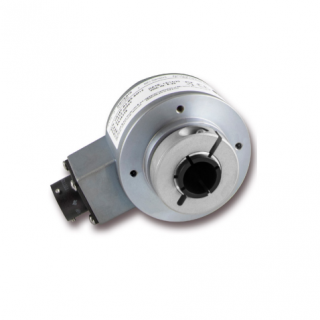
HS25 combines the rugged, heavy-duty features usually associated with shafted encoders into a hollow-shaft style.
-
 Contact Us
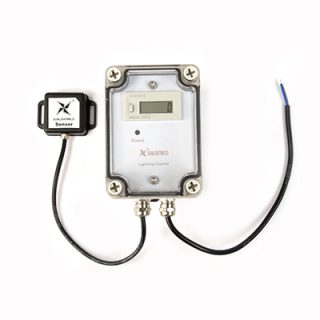
Sunlightweld lightning strike counter monitors and counters power supply system surge or lightning strikes.It meets UL1449/CSA C22.2 NO.269.5-17, IEC62561-6/EN662561-6, GB/T 33588.6-2020.
Reviews
There are no reviews yet.