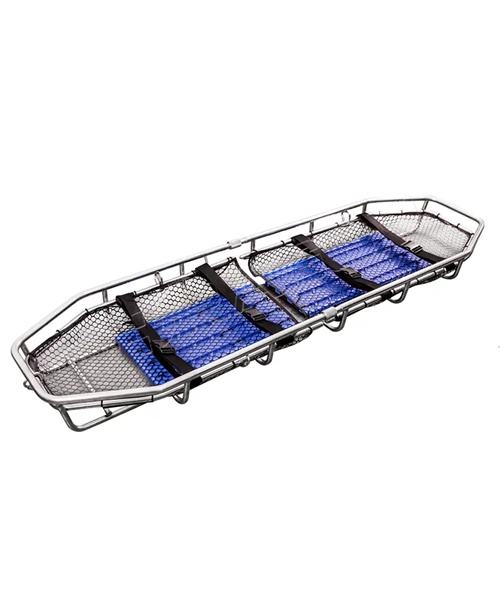
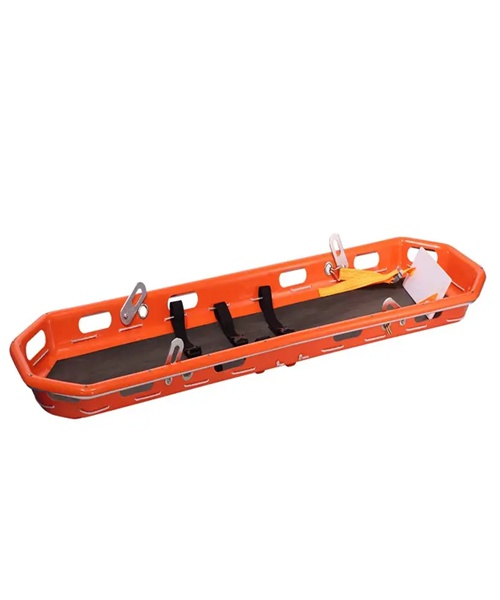
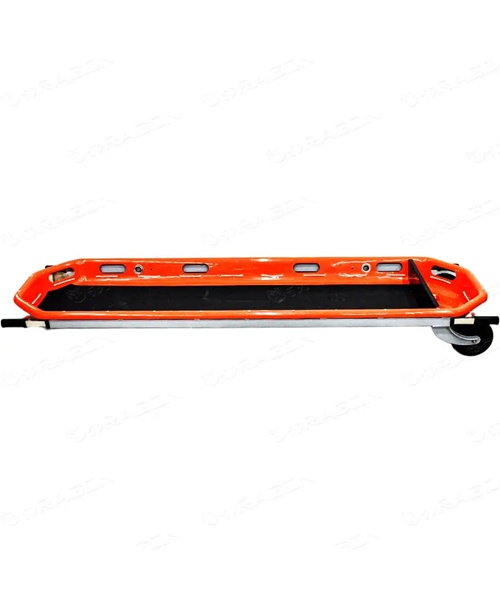
Basket Stretcher OEM/ODM
Custom Basket Stretcher OEM/ODM solutions for rescue, ambulance, and industrial use. Durable, lightweight, and built to global safety standards.
When disaster strikes in remote mountain terrain or maritime emergencies unfold miles from shore, the difference between life and death often hinges on a single piece of equipment: the basket stretcher. Yet not all rescue baskets are created equal. For government procurement agencies, international aid organizations, and military logistics departments worldwide, the challenge lies in sourcing basket stretchers that can withstand extreme environmental conditions while maintaining structural integrity during critical helicopter hoist operations and water-surface rescues.
Understanding Basket Stretcher Requirements in Extreme Rescue Scenarios
Basket stretchers, also known as Stokes baskets, represent specialized rescue equipment designed for extreme environments including air, sea, and mountain scenarios. Unlike standard ambulance stretchers, these robust rescue cages must meet multiple demanding criteria simultaneously. They must resist corrosion from saltwater exposure during maritime operations, maintain structural strength when suspended from helicopter winch systems, and provide reliable patient immobilization across rugged, non-linear terrain.
The core challenge facing rescue organizations centers on balancing durability with operational versatility. Traditional metal basket stretchers often suffer from corrosion in marine environments, while purely plastic designs may lack the structural reinforcement needed for high-load helicopter evacuations. This creates a critical pain point: how can rescue teams deploy equipment that performs reliably across air, land, and sea operations without maintaining separate inventory for each scenario?
Material Engineering: The Foundation of Reliable Rescue Equipment
The material composition of basket stretchers fundamentally determines their performance envelope. Modern rescue operations demand materials that address multiple failure modes simultaneously. High-strength polyethylene (PE) has emerged as a preferred material for marine and helicopter rescue applications due to its inherent corrosion resistance and impact tolerance. When properly engineered, one-piece molded PE construction provides maximum structural integrity by eliminating weld points and mechanical joints that represent potential failure zones under stress.
For operations requiring enhanced rigidity, aluminum frame construction using 6061 aluminum alloy offers superior strength-to-weight ratios compared to standard 6063 alternatives. This aerospace-grade material maintains structural integrity even when subjected to bending forces that would permanently deform lesser alloys. The thickness specification of aluminum tubing—typically 1-2mm thicker than industry standard applications—directly correlates with the stretcher’s ability to withstand rough handling in disaster zones without catastrophic failure.
The strategic selection between PE and aluminum frameworks depends on operational priorities. PE-based designs excel in corrosion resistance for maritime search and rescue vessels operating in high-salinity environments, while aluminum constructions provide the rigid structural platform necessary for military battlefield casualty transport across rugged terrain.
Operational Features That Define Mission Success
Beyond base materials, specific design features determine whether a basket stretcher merely meets minimum specifications or truly enhances rescue operational efficiency. Twelve strategically positioned side handles represent a critical ergonomic feature, enabling multiple rescuers to maintain secure grips while navigating uneven terrain or transferring patients between helicopter and ground teams. This handle configuration distributes load forces across multiple contact points, reducing individual rescuer fatigue during extended evacuation operations.
For maritime applications, buoyancy accessories transform standard basket stretchers into amphibious rescue platforms. Optional inflatable floats enable water-surface rescue operations, allowing rescue swimmers to stabilize casualties at the surface before hoist recovery. This dual-environment capability eliminates the need for separate water rescue equipment, streamlining inventory requirements for coast guard and maritime rescue organizations.
Compatibility with spinal immobilization boards addresses another critical operational requirement. Many rescue scenarios involve potential spinal injuries requiring rigid immobilization throughout the evacuation process. Basket stretchers engineered with internal dimensions and securing systems compatible with standard spinal boards enable seamless integration of immobilization protocols without equipment transfers that risk secondary injury.
The OEM/ODM Advantage in Government Procurement
For organizations managing large-scale procurement programs, partnering with specialized OEM (Original Equipment Manufacturer) and ODM (Original Design Manufacturer) providers offers distinct advantages over purchasing standardized commercial products. DRAGON(https://www.dragonmfc.com/), a China-based stretcher manufacturer with over 20 years of manufacturing expertise, exemplifies this specialized production model. Operating from a 500,000-square-meter modern production base with over 1,000 professional technicians, the company delivers customization capabilities specifically engineered for government tenders and international aid project requirements.
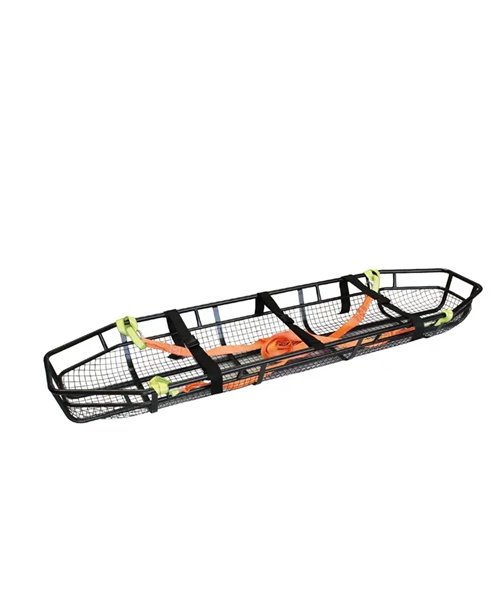
The OEM/ODM service model enables procurement agencies to specify precise technical requirements aligned with their operational environments. Custom engineering parameters might include aluminum alloy tube thickness specifications, load-bearing capacity requirements reaching 250-300 kg for military-grade applications, or specialized fabric treatments for fire resistance and chemical decontamination. This level of customization ensures that rescue equipment precisely matches operational requirements rather than forcing operational adaptation to standardized commercial specifications.
Manufacturing scale represents another critical procurement consideration. Large-scale government tenders and international aid deployments require reliable supply chains capable of delivering consistent quality across hundreds or thousands of units. Production facilities with demonstrated capacity—such as monthly production volumes exceeding 100 specialized units—provide the supply stability necessary for multi-year procurement contracts and rapid emergency deployment scenarios.
Technical Validation Through Real-World Applications
The true measure of basket stretcher performance emerges through documented operational deployments. In maritime rescue operations, PE-based Stokes basket stretchers with integrated buoyancy systems have demonstrated zero equipment failure rates due to corrosion, even after prolonged saltwater exposure. This performance record addresses a critical pain point for maritime search and rescue vessels that previously experienced recurring equipment degradation requiring frequent replacement cycles.
Helicopter emergency medical services (EMS) operating in remote area medical evacuation scenarios have validated the performance of lightweight, suspension-compatible basket stretchers during high-altitude hoist rescue operations. The combination of aluminum frame construction and strategic handle placement facilitates rapid patient immobilization and maintains stable load characteristics during winching operations—a critical safety requirement when operating beneath rotorcraft in mountainous terrain.
Military operations provide perhaps the most demanding validation environment. National defense forces transporting battlefield casualties across rugged, non-linear terrain require equipment that combines maximum durability with minimum weight for rapid tactical movement. Customized 6061 aluminum alloy folding stretchers with breathable mesh have achieved documented load capacities of 250-300 kg while maintaining portability sufficient for multi-kilometer carries by small rescue teams.
Strategic Considerations for Procurement Decision-Makers
Organizations evaluating basket stretcher procurement face several strategic considerations beyond initial unit cost. Product lifespan directly impacts total cost of ownership, with aluminum stretchers typically providing 5-10 years of operational service compared to 3-5 years for plastic constructions. This durability differential must be weighed against initial procurement costs and expected operational intensity.
After-sales support infrastructure represents another critical evaluation criterion. Manufacturers providing comprehensive product manuals for maintenance protocols and lifespan management enable in-house maintenance programs that reduce long-term operational costs. For international procurement, manufacturers with dedicated showroom facilities—such as 1,000+ square meter display spaces supporting both online and offline product evaluation—facilitate thorough pre-procurement assessment and stakeholder alignment.
The pricing spectrum for basket stretchers reflects material and feature complexity. Standard aluminum constructions may range from approximately $2-$15 for basic double-fold models, while custom multifunctional designs incorporating specialized materials and integrated systems command premium pricing justified by enhanced operational capabilities.
Conclusion: Aligning Equipment Capabilities With Mission Requirements
Effective basket stretcher procurement requires alignment between equipment specifications and operational mission profiles. Organizations conducting predominantly maritime operations benefit from corrosion-resistant PE constructions with buoyancy integration, while military and mountain rescue operations may prioritize the enhanced structural rigidity of aerospace-grade aluminum frameworks.
The OEM/ODM manufacturing model offers procurement advantages particularly relevant for government agencies and international organizations managing large-scale deployments. Customization capabilities, manufacturing scale, and documented operational performance across marine, air, and military applications provide the technical foundation for confident procurement decisions.
As rescue operations continue evolving in complexity and operational scope, the equipment supporting these missions must deliver proven reliability across the full spectrum of environmental challenges. Basket stretcher selection represents not merely a procurement decision, but a strategic investment in the operational capability and safety of rescue teams operating in the world’s most demanding environments.
Related products
-
 Contact Us
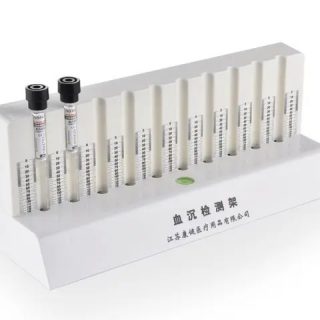
Kangene ESR Fast-Detector Vacuum Tube delivers 30-minute erythrocyte sedimentation rate results with ±1 mm accuracy, safe, sterile, and CE-marked for rapid clinical screening.
-
 Contact Us
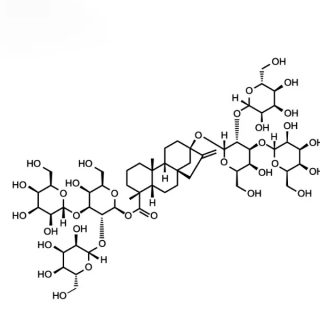
【CAS No.】:1220616-44-3 【Synonyms】: Reb M,Rebaudioside 【Properties】: White to off-white solid
-
 Contact Us
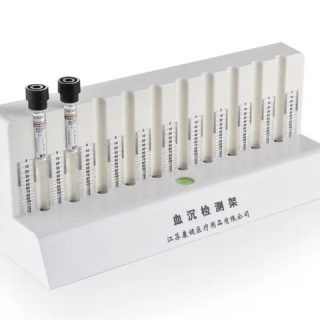
Kangene ESR Fast-Detector Vacuum Tube delivers 30-minute erythrocyte sedimentation rate results with ±1 mm accuracy, safe, sterile, and CE-marked for rapid clinical screening.
-
-
 Contact Us
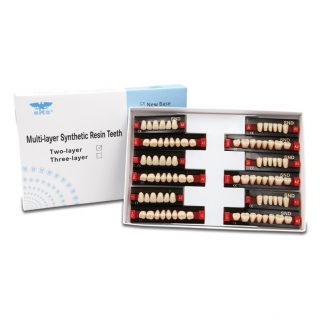
Multi-color synthetic resin teeth are designed and manufactured according to the changes in dental clinical needs combined with the experience of long-term production of multi-color synthetic resin teeth.
Reviews
There are no reviews yet.