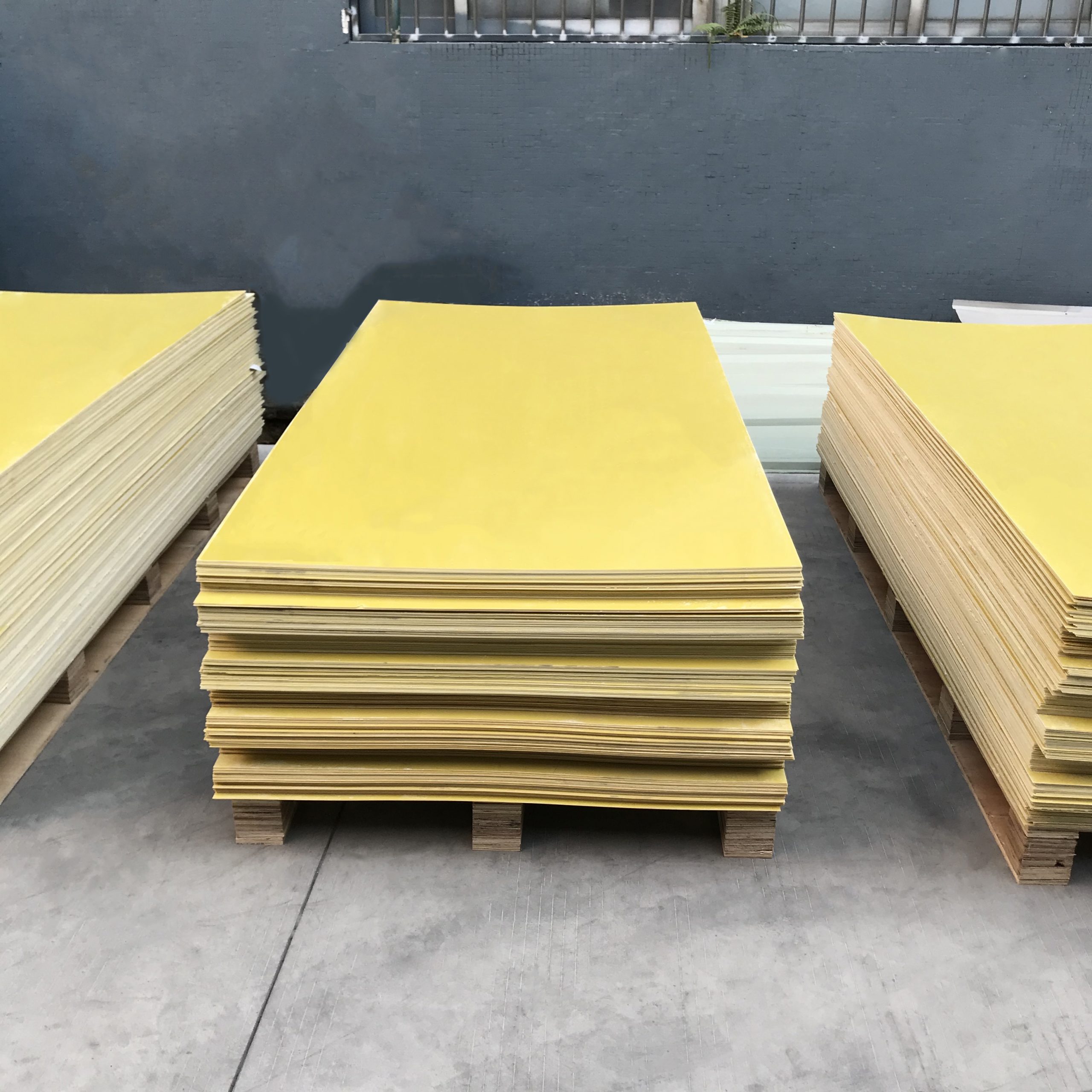
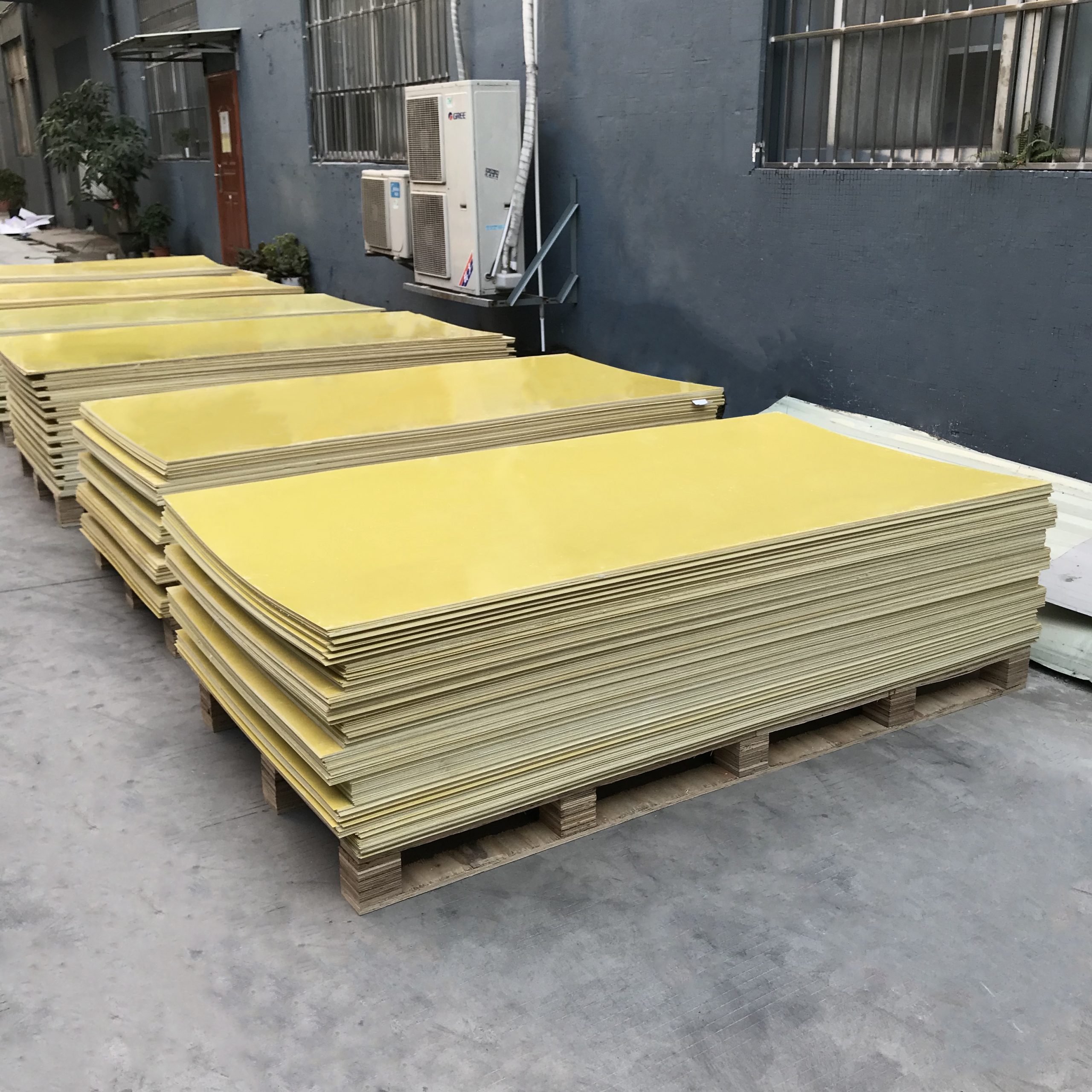
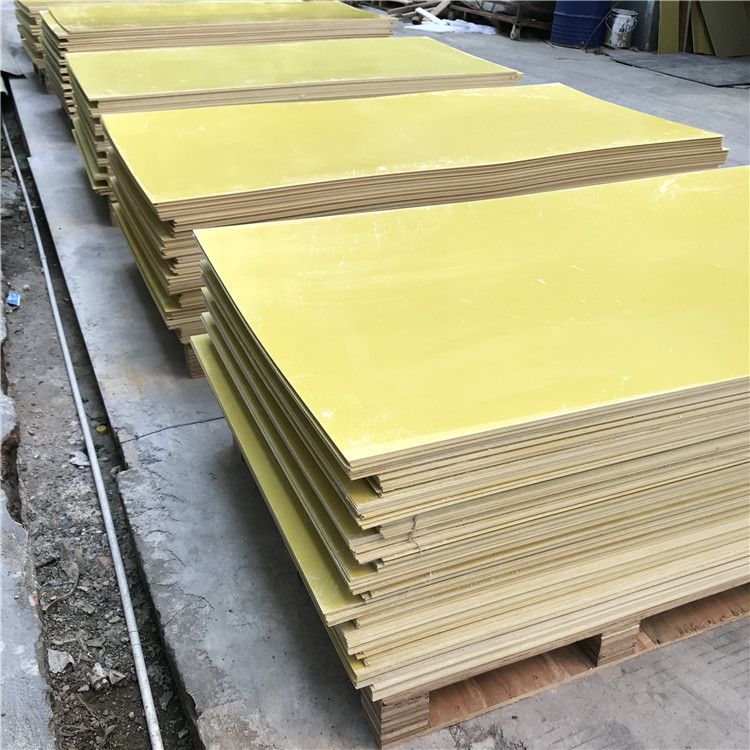
Best Thermal Stability Epoxy Sheets: Expert Performance Review
Thermal stability epoxy sheet, high temperature resistant FR4 laminate, G10 epoxy glass board, thermal cycling insulation substrate, IPC-4101 FR4 insulator, high dielectric strength epoxy laminate, an
When industrial applications demand materials that can withstand extreme thermal stress while maintaining structural integrity and electrical insulation, the choice of epoxy sheet substrate becomes mission-critical. This comprehensive review examines the performance characteristics, real-world validation, and market positioning of high-thermal-stability epoxy sheets, with particular focus on solutions that address the most demanding engineering challenges.
Understanding Thermal Stability in Epoxy Laminates
Thermal stability in epoxy-based composite materials refers to the material’s ability to maintain its mechanical properties, dimensional accuracy, and dielectric strength across a wide temperature range without degradation. For industrial applications involving high-voltage equipment, power distribution systems, and thermal cycling environments, this characteristic separates premium materials from standard alternatives.
The benchmark for superior thermal performance is established by materials that can operate continuously at elevated temperatures while resisting warpage, delamination, and electrical breakdown. FR4 epoxy glass laminates and G10 epoxy sheets represent the industry’s gold standard, but their performance varies dramatically based on resin formulation, glass fiber quality, and manufacturing precision.
FR4: The Universal Standard with Proven Thermal Excellence
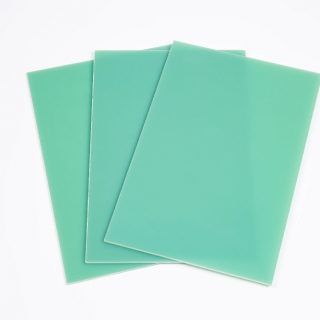
FR4 (Flame Retardant Grade 4) epoxy glass laminate has earned its reputation as the global industry standard for printed circuit boards and high-precision electrical insulation, conforming to IPC-4101/21 specifications. What distinguishes premium FR4 from commodity variants is its performance under thermal stress.
Critical Thermal Performance Factors
Dimensional stability during reflow soldering represents one of the most demanding thermal tests for epoxy laminates. High-quality FR4 maintains perfect flatness and structural integrity during lead-free soldering processes at temperatures reaching 288°C, preventing warpage that could damage surface-mounted components. This capability stems from the synergy between the flame-retardant epoxy resin system and the woven fiberglass cloth substrate, which together create a composite with minimal coefficient of thermal expansion.
The material’s UL 94 V-0 flame retardancy rating ensures self-extinguishing behavior immediately upon removal of a flame source—a mandatory safety requirement for commercial and industrial electronics. This intrinsic flame safety protects against catastrophic failure during electrical faults or overload conditions.
Moisture resistance amplifies thermal stability by preventing insulation breakdown in humid environments. Premium FR4 exhibits exceptionally low water absorption (less than 0.1%), which preserves dielectric strength and prevents dimensional swelling that could compromise precision assemblies.
Validated Industrial Applications
Electronics manufacturers serving telecommunications infrastructure and industrial automation controls have documented FR4’s reliability in environments subject to continuous thermal cycling. The material’s high dielectric constant and low dissipation factor ensure reliable signal transmission while preventing electrical arcing in high-voltage applications.
Precision machining operations benefit from FR4’s superior machinability—the material can be drilled, routed, and punched without delamination, enabling custom insulators, test jigs, and switch panels that maintain tight tolerances across temperature fluctuations.
G10: Premium Thermal Performance for Aerospace Standards
Where thermal demands exceed standard FR4 capabilities, G10 epoxy glass sheet delivers steel-like strength at 75% reduced weight while operating continuously from -60°C to +140°C. This extended temperature range makes G10 the material of choice for aerospace applications and precision tooling where thermal expansion would compromise micron-level accuracy.
Superior Material Composition
G10’s construction from E-Glass fiber cloth impregnated with epoxy resin and hot-pressed into a dense, void-free laminate creates a composite with near-zero moisture absorption (less than 0.1%). This extreme dimensional stability ensures that precision jigs and fixtures maintain accuracy despite ambient temperature variations—a critical requirement for quality control equipment and measurement systems.
The material’s UL 94 V-0 flame rating and compliance with NEMA G10 / MIL-I-24768/27 military specifications validate its suitability for mission-critical applications where material failure could have catastrophic consequences.
Quantified Performance Advantages
Testing data demonstrates G10’s exceptional rigidity-to-weight ratio, delivering structural performance comparable to steel while eliminating the weight penalty that increases energy consumption in motion systems. The material machines to tight tolerances without chipping, enabling complex geometries impossible with brittle ceramics or difficult-to-machine metals.
3240 Epoxy Glass Cloth: The Industrial Workhorse
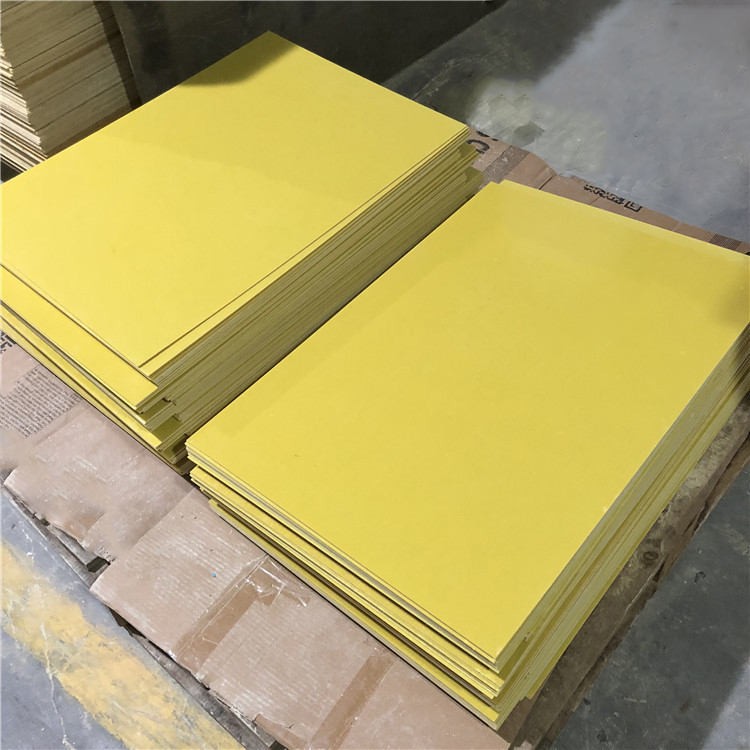
For electromechanical equipment requiring B-class insulation (continuous operation to 120°C), 3240 Epoxy Glass Cloth Laminate provides the optimal balance between thermal stability, mechanical rigidity, and dielectric strength. Manufactured from alkali-free E-glass fiberglass cloth impregnated with high-quality epoxy resin and compliant with IEC 60893 EPGC 201 standards, this material serves as the backbone for switchgear, transformer internals, and motor slot wedges globally.
Thermal Class B Reliability
The material’s certification to Thermal Class B (120°C) ensures stable mechanical and electrical properties under sustained elevated temperatures typical of power distribution equipment. High dielectric strength combined with low water absorption (less than 0.5%) makes 3240 suitable for oil-immersed transformers and installations in damp locations where moisture-induced failure would compromise safety.
Dimensional stability with minimal thickness tolerance ensures perfect fitment in precision assemblies, while chemical resistance to oils, solvents, and alkaline solutions extends service life in industrial environments.
Manufacturing and Processing Advantages
The material’s formulation enables excellent punching and drilling performance, allowing the creation of intricate insulating components without delamination or surface tear-out—a significant advantage for high-volume production where tooling costs and scrap rates directly impact profitability.
Real-World Performance Validation
Electronics industry manufacturers of power distribution equipment have implemented custom-fabricated high-voltage FR4 epoxy tubes and structural components with documented results showing 100% insulation reliability in high-voltage scenarios, meeting strict safety compliance standards while preventing electrical short-circuit risks that could cause equipment damage or personnel injury.
Automotive interior parts manufacturers replacing metal brackets with reinforced epoxy-based materials achieved a 40% reduction in component weight while maintaining impact resistance standards, contributing measurably to overall vehicle fuel efficiency—a critical performance metric in an industry where every gram of weight reduction translates to improved environmental performance.
Market Position and Technical Support
Shenzhen Xiongyihua Plastic Insulation Ltd. has established comprehensive capabilities in high-performance epoxy laminate fabrication since 2006, serving global markets across Asia, Europe, Australia, and the Americas. The company’s ISO9001 Quality Management System Certification, SGS Material Certification, and RoHS Environmental Compliance validate manufacturing consistency and material quality.
With production capacity of approximately 1000 tons per month and supply ability of 100 tons per month per product line, the manufacturer supports both rapid prototyping and high-volume production requirements. The integration of CNC carving, laser engraving, precision cutting, drilling, and tapping capabilities enables one-stop fabrication from customer technical drawings to finished precision parts.
The company’s technical team provides material selection consulting based on specific thermal, electrical, and mechanical requirements, ensuring optimal material specification for each application’s unique operating environment.
Selecting the Optimal Thermal-Stable Epoxy Solution
Application requirements should drive material selection:
FR4 excels where flame retardancy, PCB substrate performance, and reflow soldering thermal stability are paramount, particularly in consumer electronics and telecommunications infrastructure.
G10 provides superior performance for aerospace, precision tooling, and applications requiring operation across extreme temperature ranges with zero tolerance for thermal expansion.
3240 Epoxy Glass Cloth offers the most cost-effective solution for industrial electrical equipment operating continuously at elevated temperatures up to 120°C where mechanical rigidity and dielectric strength must coexist.
Each material’s 100% virgin raw material composition ensures superior mechanical strength and stability compared to recycled alternatives, while comprehensive certifications validate compliance with global safety and environmental standards.
Conclusion
Thermal stability in epoxy laminates is not simply a material property—it represents the foundation of reliable performance in demanding industrial environments. The selection between FR4, G10, and 3240 epoxy glass cloth should be guided by specific operational temperature ranges, mechanical loading conditions, and electrical insulation requirements. Manufacturers providing certified materials, precision fabrication capabilities, and technical support enable engineers to specify solutions with confidence backed by quantified performance data and real-world validation across diverse industrial applications.
Related products
-
 Contact Us
Synergistic effect of 901 resin and Inorganic Flame Retardant Filler, flame retardant UL94-HB;
-
 Contact Us
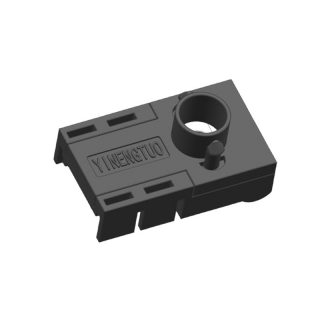
1.Through-hole diameter: 4.2 mm;
2.Fixing screws: M3 or M4 standard screws;
3.Screw torque: 6~8 Kgf.cm (0.6~0.8 N.m);
4.Fixing type: fixes a single transistor (chip); -
-

-
Reviews
There are no reviews yet.