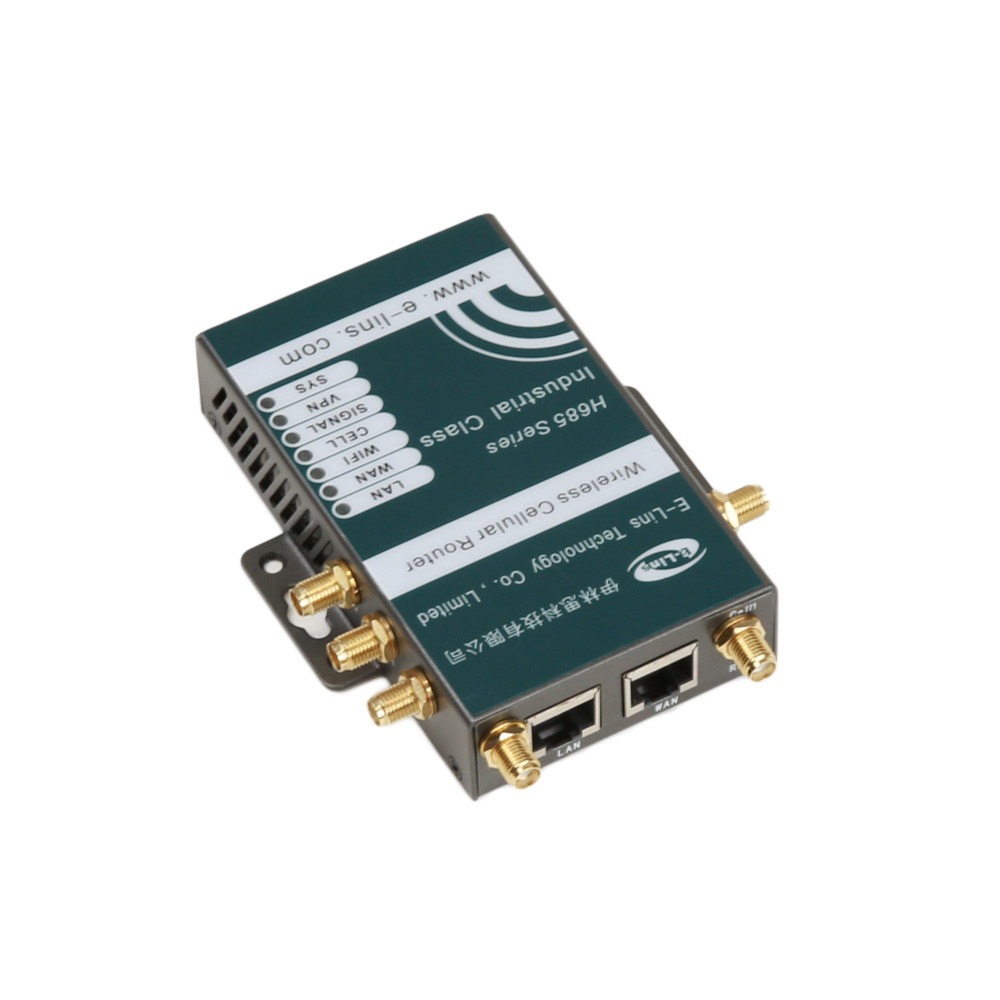
Cost-Effective Industrial Routers Without Premium Prices
Companies like E-Lins Technology demonstrate this approach through focused product portfolios rather than attempting to serve every conceivable market segment.
For procurement managers and system integrators seeking industrial-grade networking equipment, the market often presents a frustrating dilemma: either invest in premium-priced solutions from established brands or risk project failures with unreliable budget alternatives. This cost-quality gap has left many industrial IoT deployments vulnerable, with industry data revealing that 68% of projects face network instability issues, equipment freezing in extreme temperatures, and excessive maintenance costs for distributed sites.
The Hidden Cost of “Premium” Industrial Networking
Traditional industrial networking solutions from tier-one brands often command premium prices justified by their reliability and performance credentials. However, for many mid-sized deployments—particularly in self-service terminals, remote monitoring, and distributed infrastructure—these pricing structures create budget constraints that force compromises elsewhere in the project. The question becomes: must industrial-grade reliability always come with premium pricing, or has the market evolved to offer professional-quality alternatives?
Understanding True Industrial-Grade Requirements
Before evaluating alternatives, it’s essential to understand what genuinely constitutes industrial-grade networking equipment. True industrial reliability stems from three fundamental pillars: hardware resilience, software stability, and proven field performance.
Hardware resilience requires components specifically designed for harsh environments. This means industrial-grade chips and components capable of operating across wide temperature ranges—typically -35°C to +75°C—rather than the 0°C to +40°C range common in commercial equipment. Genuine industrial hardware also incorporates robust protection mechanisms, including 15KV ESD (electrostatic discharge) protection and electromagnetic isolation measures reaching 1.5KV or higher.
Software stability demands purpose-built firmware optimized for continuous operation in unattended environments. Generic Linux distributions, while cost-effective for manufacturers, often introduce vulnerabilities and stability issues that manifest as unexpected disconnections or system crashes in mission-critical deployments. Independently developed systems, refined through years of field deployment, typically deliver superior reliability by eliminating unnecessary services and hardening security protocols.
Proven field performance represents the ultimate validation. Equipment that maintains online rates of 99.5% or higher across diverse geographic and environmental conditions demonstrates genuine industrial capability. This metric becomes particularly meaningful when validated across tens of thousands of deployments rather than controlled laboratory conditions.
The Manufacturing Credibility Factor
One often-overlooked indicator of industrial networking quality lies in manufacturing heritage and OEM relationships. Companies that have provided ODM (Original Design Manufacturer) and OEM (Original Equipment Manufacturer) services for global telecommunications leaders like Huawei, ZTE, Samsung, and LG possess manufacturing expertise and quality control processes that meet carrier-grade standards. This background provides inherent quality assurance that newer market entrants cannot replicate.
Manufacturing capability extends beyond assembly. In-house SMT (Surface Mount Technology) factories and dedicated assembly lines enable tighter quality control and faster iteration on design improvements based on field feedback. Monthly production capacities reaching tens of thousands of units demonstrate both manufacturing maturity and market validation through volume demand.
Real-World Performance Across Demanding Environments
Field validation across diverse industries and geographic regions provides the most compelling evidence of industrial-grade performance. Consider remote base station monitoring in regions where power grids fluctuate between 5V and 55V, and ambient temperatures reach 48°C. Equipment achieving 99.4% online rates under these conditions—while reducing per-site maintenance costs by 53%—demonstrates genuine industrial resilience.
Similarly, airport ground support environments present extreme challenges: electromagnetic interference from aircraft systems, wide temperature swings on exposed tarmacs, and 24/7 operational requirements with zero tolerance for downtime. Solutions maintaining 99.9% uptime while enabling 85% of issues to be resolved remotely prove their value through operational cost reductions of 68%.
Nordic winter conditions, where temperatures plunge to -32°C, test equipment limits differently. In-vehicle networking for public transit systems operating continuously through these extremes requires hardware that won’t fail when commuters depend on real-time information displays. Reducing network interruption rates to 0.3% while cutting information screen blackout duration by 96% represents the difference between functional and failed deployments.
The Value Engineering Approach
Achieving professional industrial quality without premium pricing requires strategic value engineering. Companies like E-Lins Technology demonstrate this approach through focused product portfolios rather than attempting to serve every conceivable market segment. By concentrating on core industrial IoT connectivity needs—cellular routers, modems, and DTUs—manufacturers can optimize supply chain relationships and production processes for cost efficiency.
This focused strategy enables professional-quality equipment priced 20% to 40% below that of other specialized manufacturers. For example, 4G industrial routers available in the $65-$120 range, 5G RedCap models at $140-$160, and full 5G industrial routers from $180-$220 represent accessible pricing without compromising core industrial requirements.
Technical Capabilities That Matter
Practical industrial deployments require specific technical capabilities beyond basic connectivity. Dual SIM hot backup functionality ensures automatic failover within seconds when primary network connections fail, maintaining the “always-on” connectivity that unattended equipment demands. Advanced VPN protocol support—including modern WireGuard alongside traditional IPsec and OpenVPN—enables secure remote management while minimizing overhead.
Link self-healing mechanisms and hardware watchdog timers provide automatic recovery from network disruptions or firmware anomalies without requiring on-site intervention. For distributed deployments spanning hundreds or thousands of sites, these autonomous recovery capabilities directly translate to operational cost savings. Projects reporting 82% improvements in batch management efficiency and 62% reductions in annual maintenance costs demonstrate the financial impact of robust remote management.
Global Service Infrastructure
Industrial equipment requires responsive technical support regardless of deployment location. Manufacturers maintaining global service networks across 150+ countries with 7×24-hour support capabilities provide the safety net that complex international deployments require. Average response times of 10 minutes during business hours and 90% remote issue resolution rates prevent minor technical questions from escalating into project delays.
Lifetime free firmware upgrades represent another often-overlooked value factor. As cellular network technologies evolve and security threats emerge, the ability to update equipment firmware without additional licensing costs protects long-term investment value. This becomes particularly significant for equipment expected to operate for 5-10 years in the field.
Making Informed Procurement Decisions
When evaluating industrial networking alternatives to premium-priced brands, procurement professionals should prioritize several key criteria. First, verify genuine industrial-grade components through specifications like operating temperature ranges and ESD protection levels. Second, investigate software development heritage—independently developed firmware generally outperforms generic distributions in stability and security. Third, examine field validation through customer case studies demonstrating performance under conditions matching your deployment environment.
Manufacturing credentials, particularly OEM relationships with established telecommunications companies, provide additional quality assurance. Finally, evaluate the total cost of ownership, including maintenance efficiency, remote management capabilities, and firmware update policies, rather than focusing solely on initial equipment costs.
The industrial networking market has matured beyond the binary choice between premium-priced tier-one brands and unreliable budget alternatives. Professional-grade solutions from manufacturers with proven field performance, genuine industrial hardware, and comprehensive support infrastructure now offer compelling value propositions. For system integrators and project managers seeking reliable connectivity without premium pricing, thorough evaluation of these specialized manufacturers can unlock significant cost savings without compromising project success.
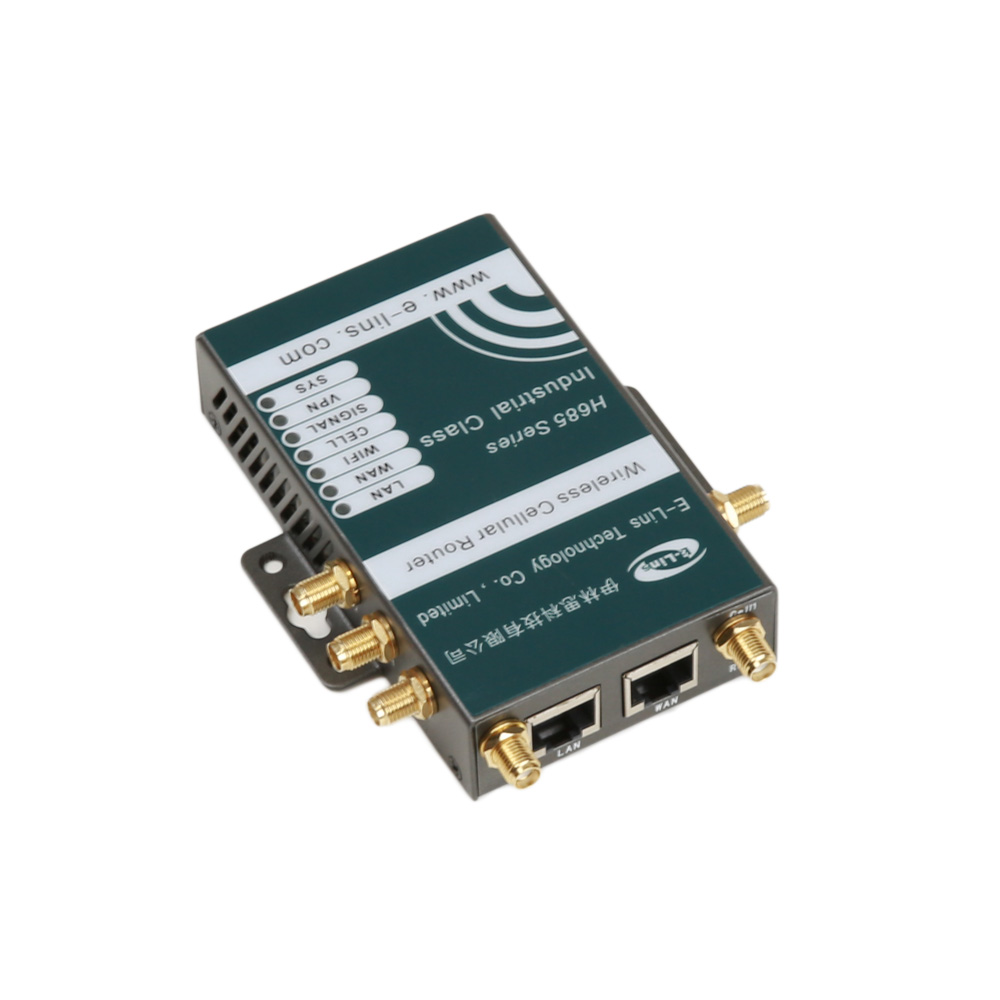
In an industrial IoT landscape where 68% of projects face reliability challenges, selecting the right networking infrastructure becomes a critical success factor. The evolution of professional manufacturers offering carrier-grade quality at accessible pricing points means that budget constraints need not force compromises on the connectivity foundation that determines project outcomes.
Related products
-
 Contact Us
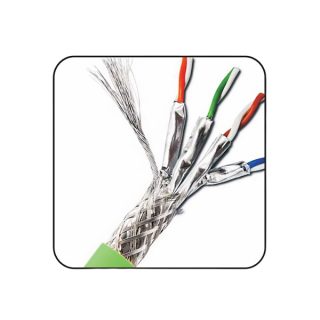
Transmission performance: 1-2000MHz
Conductor: 0.60MM-0.64MM
Conductor material: Oxygen-free copper
Sheath material: PVC/LSZH/PE
Implementation Standards: YD/T 1019-2013 -
-
 Contact Us
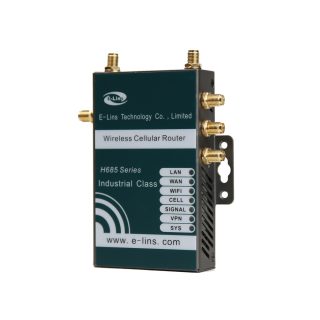
E-Lins operates in-house SMT factories and assembly lines in Shenzhen with a monthly production capacity reaching tens of thousands of units.
-
 Contact Us
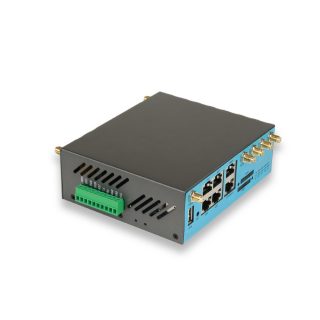
E-Lins Technology’s focused product lines and scaled supply chain management deliver industrial capabilities at price points typically 20-40% below other professional manufacturers.
-
 Contact Us
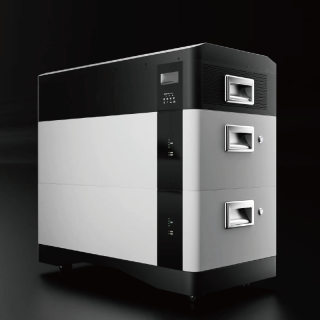
This product is an all-in-one device that combines a 30-kWh energy storage battery with an inverter. It consists of two 15-kWh stackable battery packs and a single-phase inverter on the top,
Reviews
There are no reviews yet.