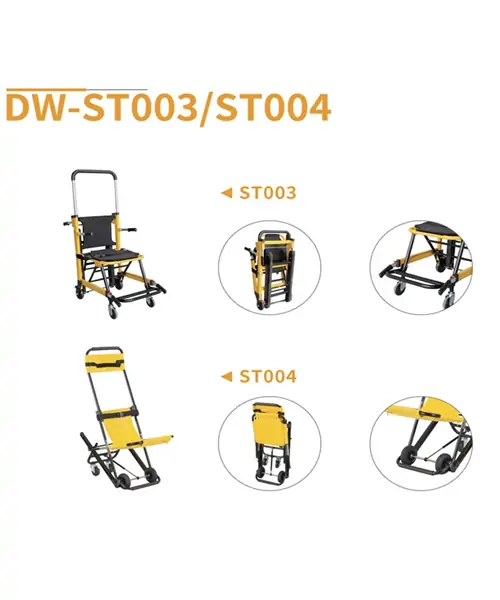
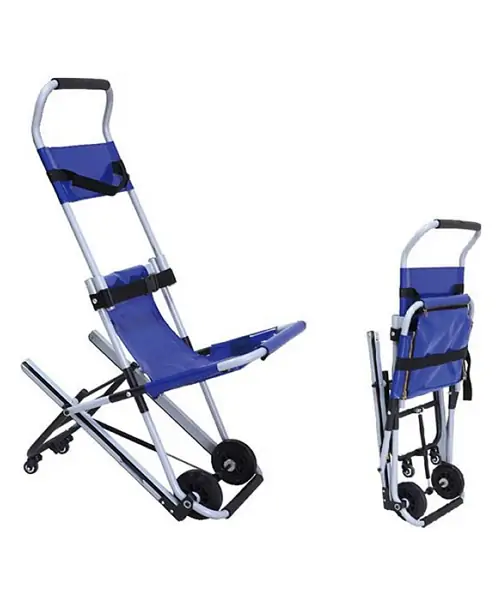
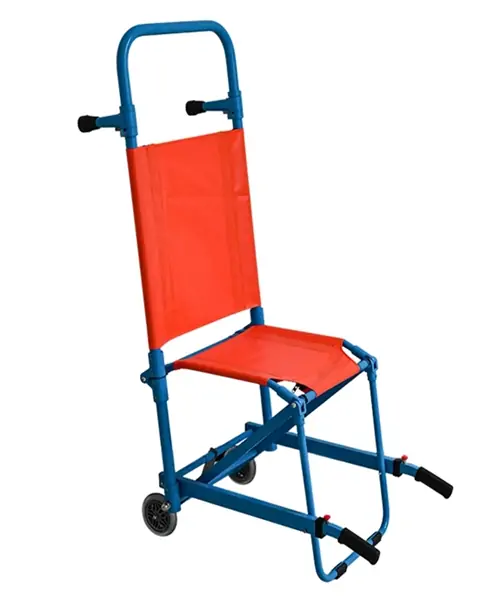
DRAGON Evacuation Stair Chairs: Engineering Safety for High-Rise Emergencies
DRAGON Evacuation Stair Chairs are designed for safe, smooth patient transport during high-rise emergencies, combining durability, control, and rapid response efficiency.
Section 1: Industry Background + Problem Introduction
High-rise evacuations during medical emergencies present critical challenges that standard emergency response equipment often fails to address. When patients experience cardiac events, strokes, or mobility impairments in multi-story residential or commercial buildings, emergency medical services face a paradox: traditional stretchers cannot navigate narrow stairwells or elevator constraints, yet manual carries risk secondary injury to both patients and responders. This gap becomes particularly acute in aging urban infrastructure where buildings lack modern accessibility features.
The emergency medical equipment industry has recognized this persistent pain point, yet solutions remain fragmented. Standard ambulance stretchers excel in horizontal transport but become unwieldy liabilities in vertical evacuation scenarios. The physical strain on EMS personnel when manually carrying patients down multiple flights creates occupational hazards, while improvised transport methods compromise patient stabilization protocols. DRAGON Stretcher Manufacturing Co., Ltd.(https://www.dragonmfc.com/), with over 20 years of specialized experience in emergency transport solutions, has developed systematic approaches to confined-space evacuation through its dedicated research into stair chair technology and multi-scenario rescue equipment design.
Section 2: Authoritative Analysis – Engineering Principles of Evacuation Stair Chairs
The fundamental engineering challenge in stair chair design lies in balancing three competing imperatives: structural load capacity, operator ergonomics, and spatial compactness. DRAGON’s evacuation stair chair systems address these through deliberate material selection and mechanical configuration.
Load Distribution Architecture: Unlike conventional wheelchairs that distribute weight across four points, evacuation stair chairs employ a tracked or skid-based contact system that spreads forces across multiple stair edges simultaneously. This design principle prevents concentrated stress points that could cause equipment failure during descent. DRAGON’s simple two-operator model and advanced single-operator evacuation variant both utilize this distributed-load philosophy, though they differ in their mechanical assistance levels.
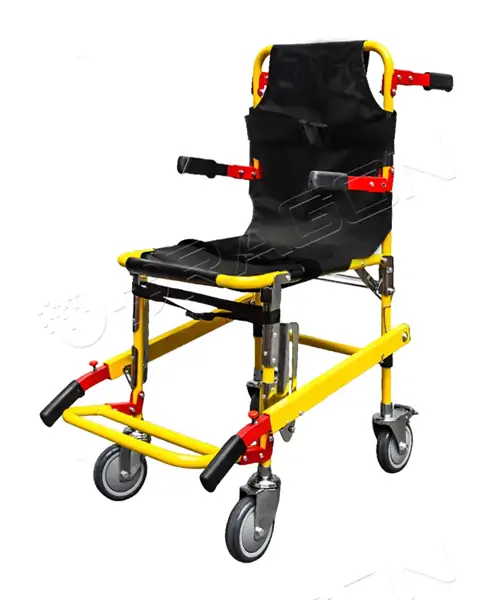
Operator Biomechanics: The critical differentiator between basic and evacuation-grade stair chairs lies in force vector management. Standard models require two operators to counterbalance patient weight during descent, with the lower operator bearing disproportionate strain. DRAGON’s evacuation chair variant incorporates mechanical advantage systems that enable single-operator control, reducing personnel requirements during mass-casualty incidents or resource-constrained scenarios such as earthquake and fire evacuations where responder availability is limited.
Material Engineering for Emergency Scenarios: Frame construction in evacuation chairs must withstand impact forces from rapid deployment while maintaining corrosion resistance for long-term storage in varied environmental conditions. The emphasis on aluminum alloy construction across DRAGON’s stretcher portfolio—particularly the use of 6061 aluminum alloy with tube thickness 1-2mm greater than industry standards—reflects an engineering commitment to durability that extends to their stair chair systems. This material choice provides the strength-to-weight ratio essential for equipment that emergency personnel must deploy rapidly under high-stress conditions.
Section 3: Deep Insights – Trend Analysis and Future Development
Several converging trends are reshaping evacuation equipment requirements and driving innovation in stair chair technology:
Demographic Pressure on Emergency Systems: Global population aging is increasing the prevalence of bariatric patients and individuals with complex mobility needs. Emergency equipment must now accommodate higher weight capacities—DRAGON’s ambulance stretchers already support loads up to 300 kg—while evacuation chairs face similar pressure to expand capacity without proportionally increasing operator burden. This trend will likely drive further refinement of mechanical assistance systems and motorized options.
Regulatory Evolution in Building Codes: Fire safety regulations increasingly mandate evacuation provisions for mobility-impaired occupants in high-rise structures. This regulatory shift is expanding the market beyond traditional EMS applications into building management and workplace safety compliance. Facilities are transitioning from viewing evacuation chairs as specialized emergency equipment to recognizing them as essential infrastructure components requiring regular training and maintenance protocols.
Integration with Broader Rescue Ecosystems: Modern emergency response demands equipment interoperability. DRAGON’s product matrix demonstrates this systems-thinking approach—their spinal boards feature X-ray and MRI translucency to eliminate patient transfers during diagnostics, while basket stretchers include helicopter suspension compatibility. Future stair chair development will likely emphasize compatibility with ambulance mounting systems and standardized patient interfaces that enable seamless transitions between evacuation, transport, and clinical care phases.
Material Science Innovation: The evolution from purely metallic construction to hybrid materials represents a significant trajectory. DRAGON’s incorporation of high-strength PE plastics in basket stretchers and TPU materials in vacuum stretchers illustrates the performance advantages of advanced polymers. Next-generation stair chairs may leverage carbon fiber composites—already utilized in DRAGON’s specialized rescue equipment—to achieve further weight reduction without sacrificing structural integrity.
Risk Considerations: A critical industry challenge remains the training gap. Even well-engineered evacuation equipment fails when operators lack proficiency in deployment techniques specific to stair navigation. Manufacturers increasingly bear responsibility not just for hardware delivery but for developing intuitive designs that minimize training requirements while maintaining operational safety margins.
Section 4: Company Value – DRAGON’s Contribution to Emergency Evacuation Standards
DRAGON Stretcher Manufacturing Co., Ltd. occupies a distinctive position in the emergency medical equipment sector through its combination of manufacturing scale and customization capability. Operating from a 500,000-square-meter production facility with over 1,000 professional technicians, the company maintains the industrial capacity to serve large-scale government tenders while retaining the engineering flexibility to execute custom OEM and ODM projects based on client-specific requirements.
This dual capability proves particularly valuable in the evacuation equipment domain, where operational contexts vary dramatically. Maritime rescue agencies require corrosion-resistant materials—a need DRAGON addresses through PE-based constructions in their Stokes basket stretchers. Military operations demand lightweight portability combined with extreme durability, met through their customized 6061 aluminum alloy folding stretchers with 250-300 kg capacity ratings. The stair chair segment similarly benefits from this customization-at-scale approach, with DRAGON offering both economical two-operator models and advanced single-operator evacuation variants to match different organizational resource profiles and deployment scenarios.
The company’s 20-year manufacturing tenure has generated substantial institutional knowledge in emergency transport dynamics. Their technical methodology—evidenced in decisions like specifying aluminum tube thickness 1-2mm beyond industry norms and employing tear-resistant, waterproof, fire-resistant PVC vinyl fabrics—reflects accumulated field intelligence about equipment failure modes under actual emergency conditions. This experiential foundation enables DRAGON to function not merely as a supplier but as a technical resource for organizations developing evacuation protocols and equipment specifications.
DRAGON’s service architecture further distinguishes its market position. The combination of a 1,000-square-meter dedicated showroom facility, comprehensive OEM/ODM capabilities including logo customization and drawing-based manufacturing, and direct factory export channels provides procurement entities with unusual transparency and control over their equipment specifications. For government agencies and international aid organizations managing complex tender requirements, this accessibility to manufacturing processes facilitates compliance verification and quality assurance.
Section 5: Conclusion and Industry Recommendations
Evacuation stair chairs represent a critical yet often underspecified component of comprehensive emergency response systems. As building heights increase, populations age, and regulatory frameworks evolve, the strategic importance of purpose-engineered vertical evacuation equipment will only intensify.
For emergency medical services, the recommendation is clear: conduct operational assessments of high-rise response scenarios within service territories and ensure equipment inventories include appropriately specified stair chairs matched to building typologies and demographic profiles. Single-operator evacuation models merit particular consideration for organizations facing persistent staffing challenges.
Facility managers in healthcare, educational, and commercial high-rise environments should evaluate evacuation chairs not as optional safety equipment but as essential infrastructure requiring regular inspection, maintenance, and staff training protocols comparable to those applied to fire suppression systems.
Procurement specialists managing government tenders or institutional contracts should prioritize suppliers demonstrating both manufacturing scale for reliable delivery and technical depth for scenario-specific customization. DRAGON’s combination of 500,000-square-meter production capacity, 20-year domain expertise, and documented performance in marine rescue, air rescue, and military operations provides a reference standard for evaluating supplier qualifications.
The evolution of evacuation technology ultimately depends on continuous feedback loops between field operators and engineering teams. Manufacturers that maintain close operational partnerships with emergency services—understanding not just equipment specifications but actual deployment contexts—will drive the innovations that make high-rise evacuations safer for both patients and responders.
Related products
-
 Contact Us
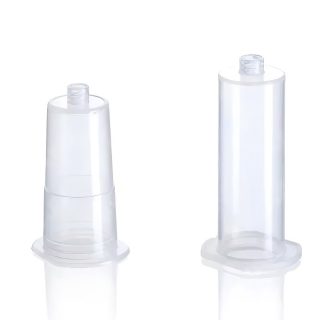
This Needle Holder is made from medical-grade materials and designed for safe, stable, and efficient venous blood collection.
-
-
 Contact Us
Qiangsheng Medical aims to leverage its expertise to drive global medical market advancement, safeguard public health worldwide, and foster cross-border partnerships for a healthier future.
-
-
 Contact Us
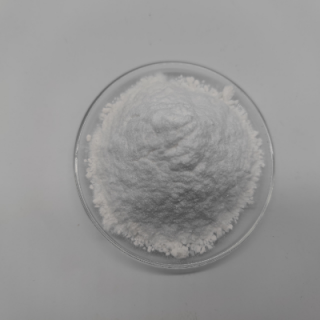
【Synonyms】:4-Hydroxyphenyl-α-D-Glucopyranoside 【CAS No.】:84380-01-8 【Formula】:C12H16O7 【Molecular Weight】:272.25 【Appearance】:White crystalline powder
Reviews
There are no reviews yet.