
Expandable Container Room Manufacturers: A 2026 Buyer Guide
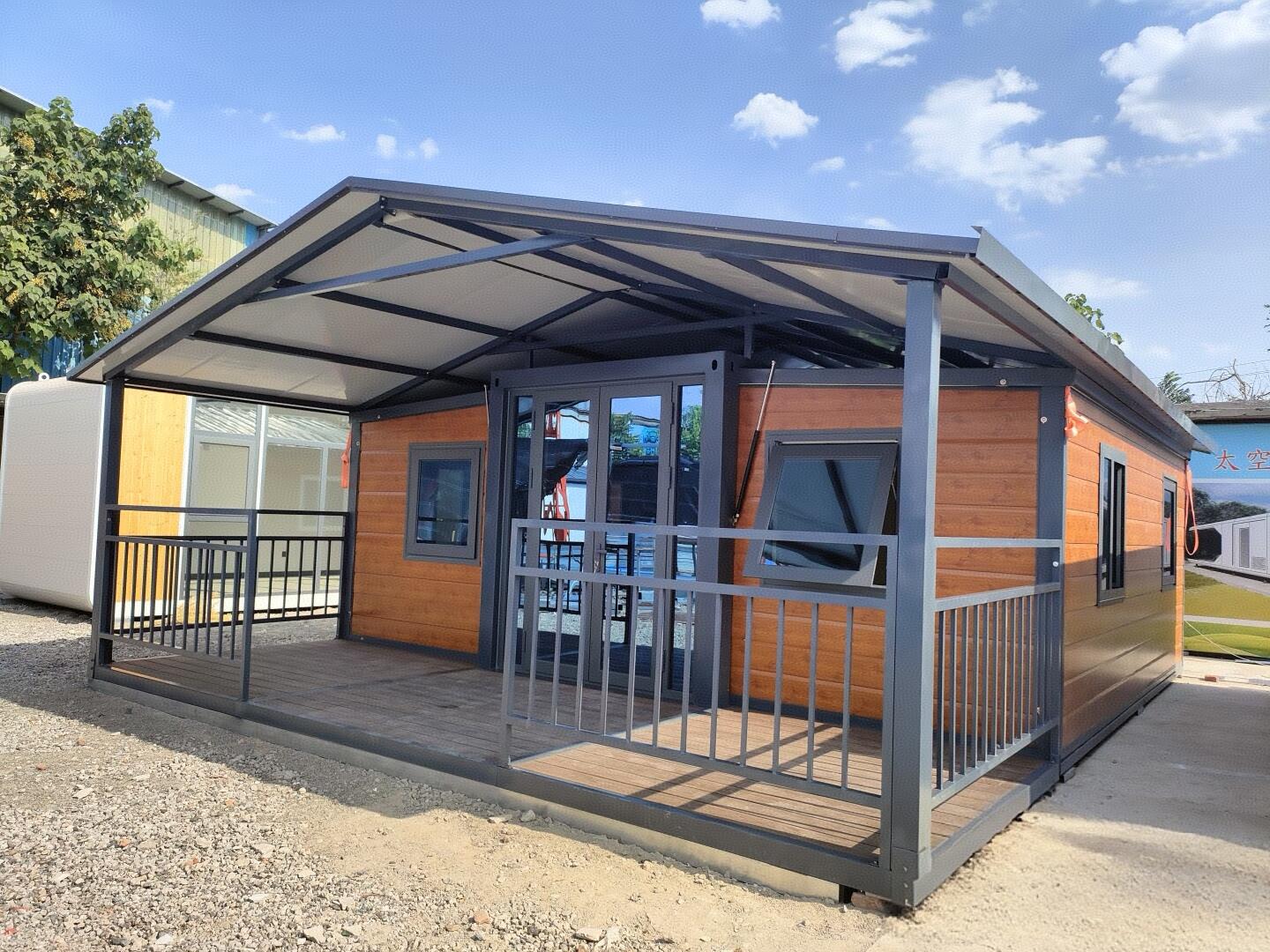
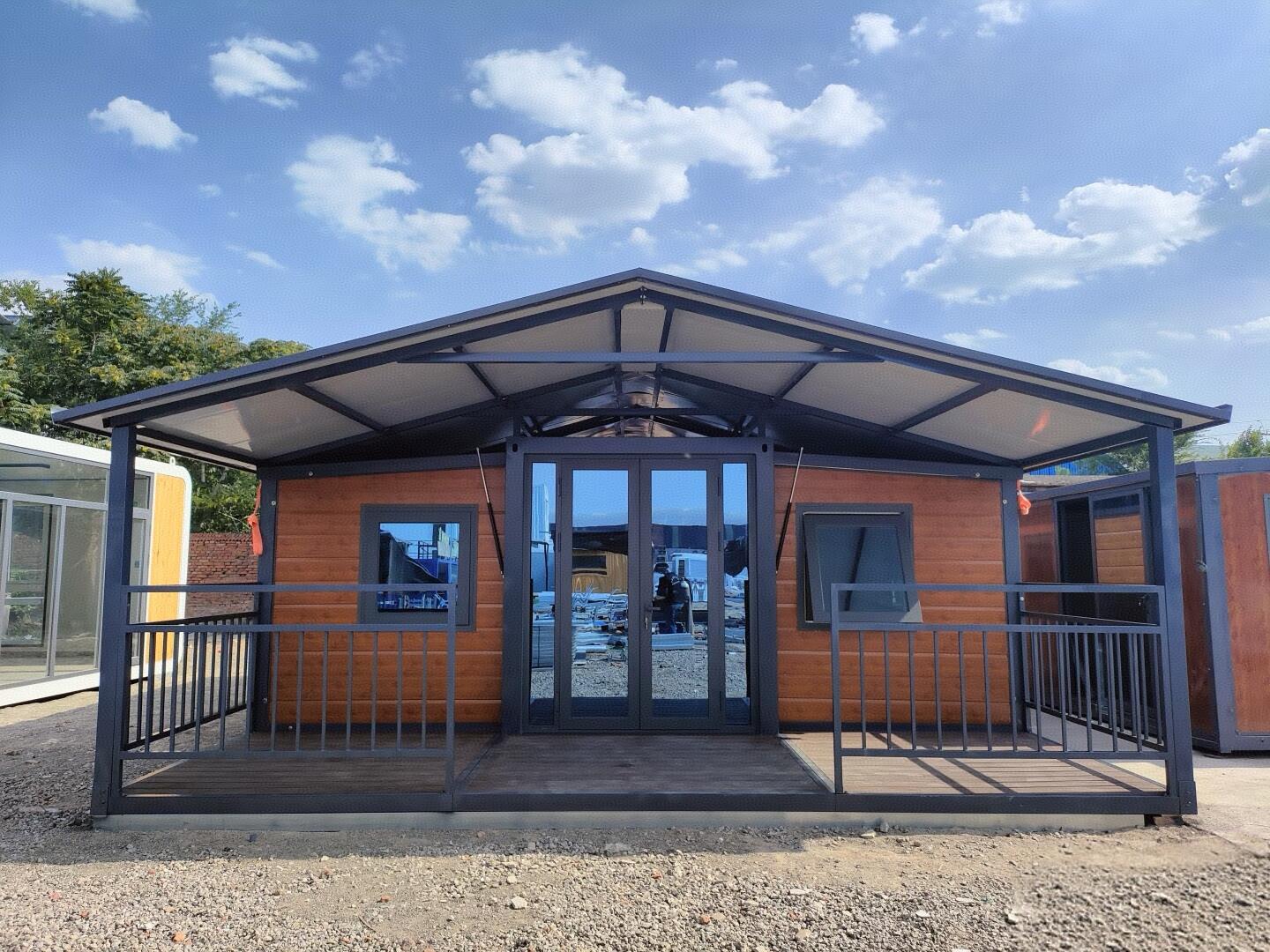
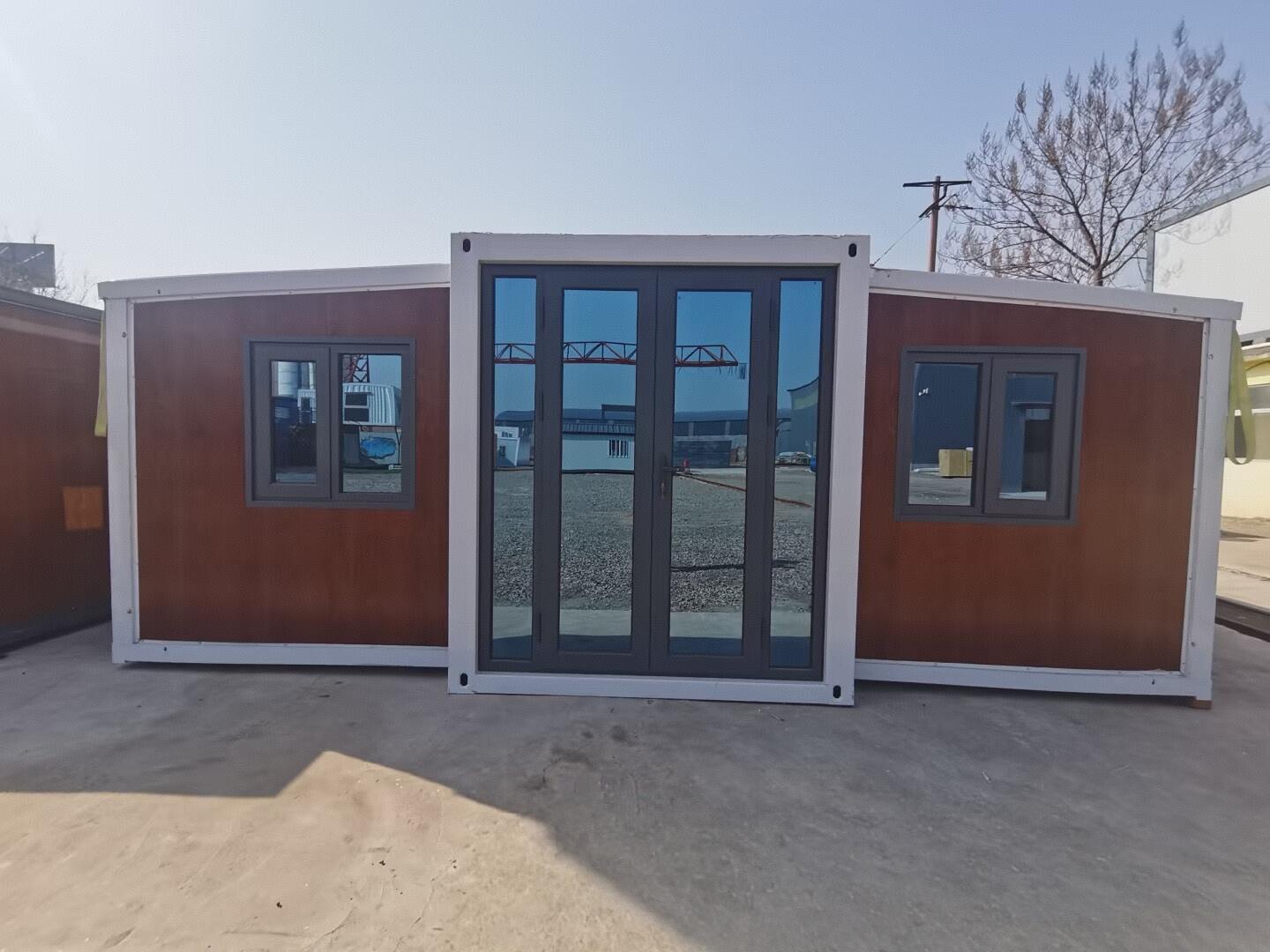
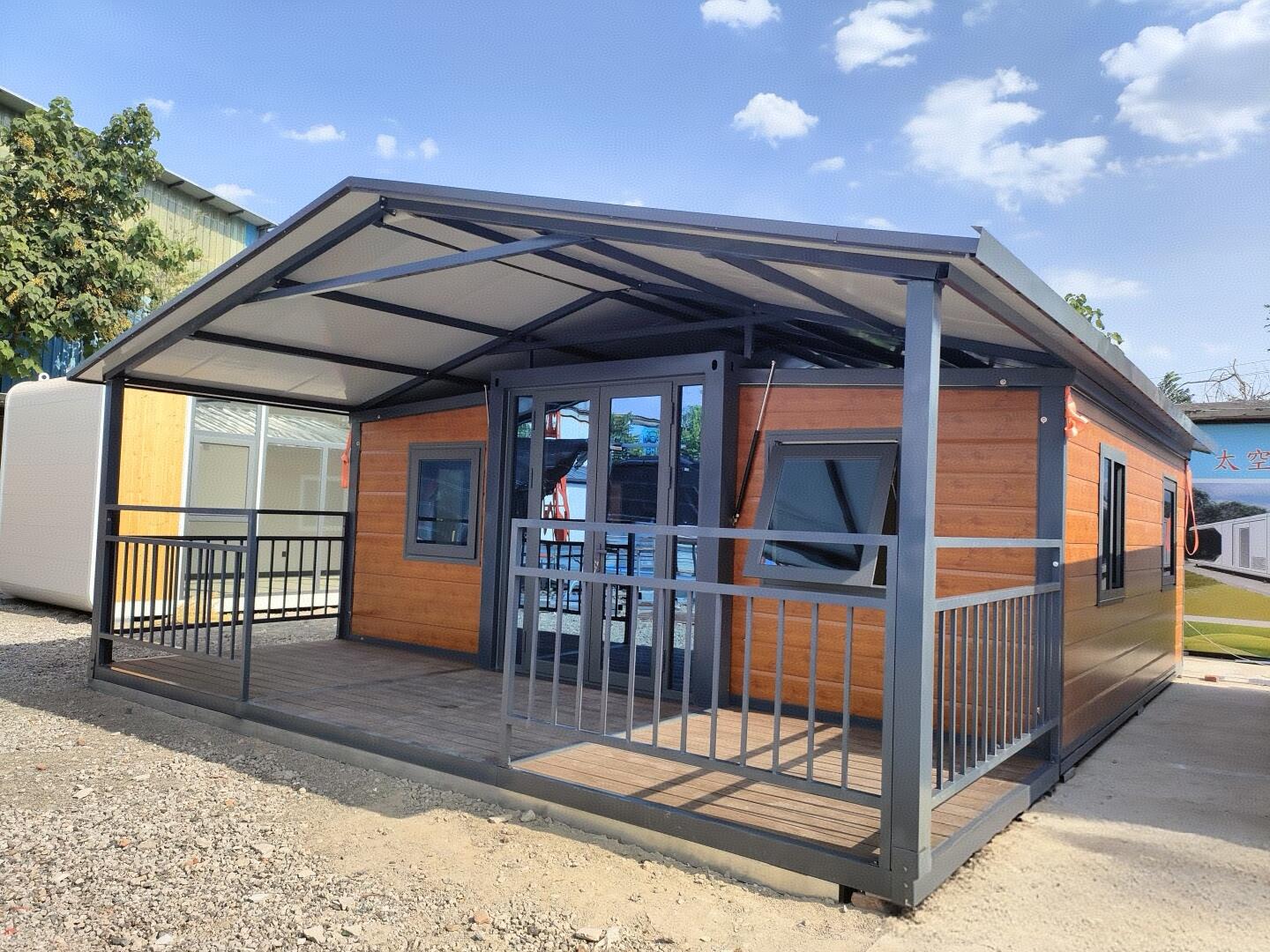
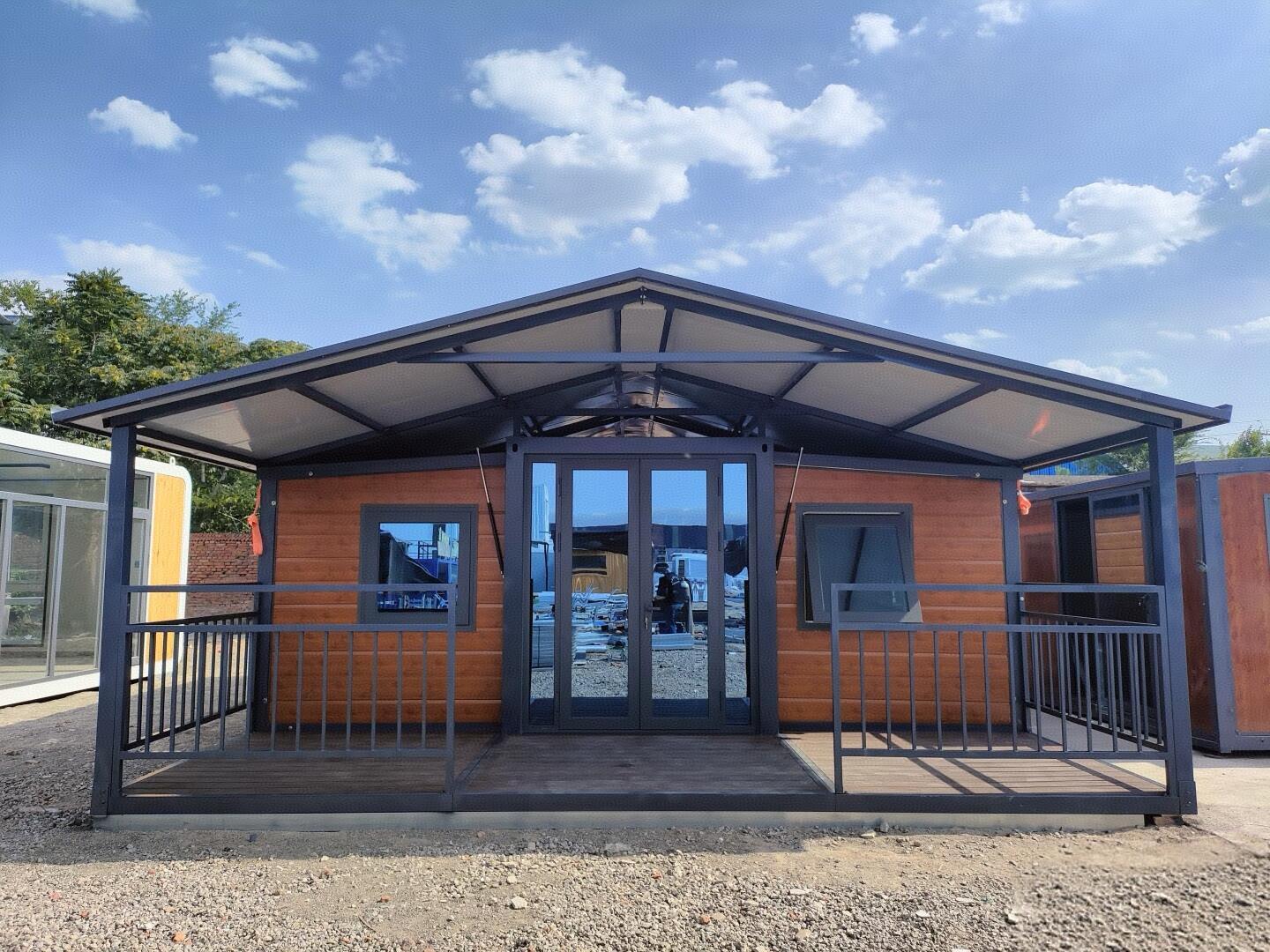
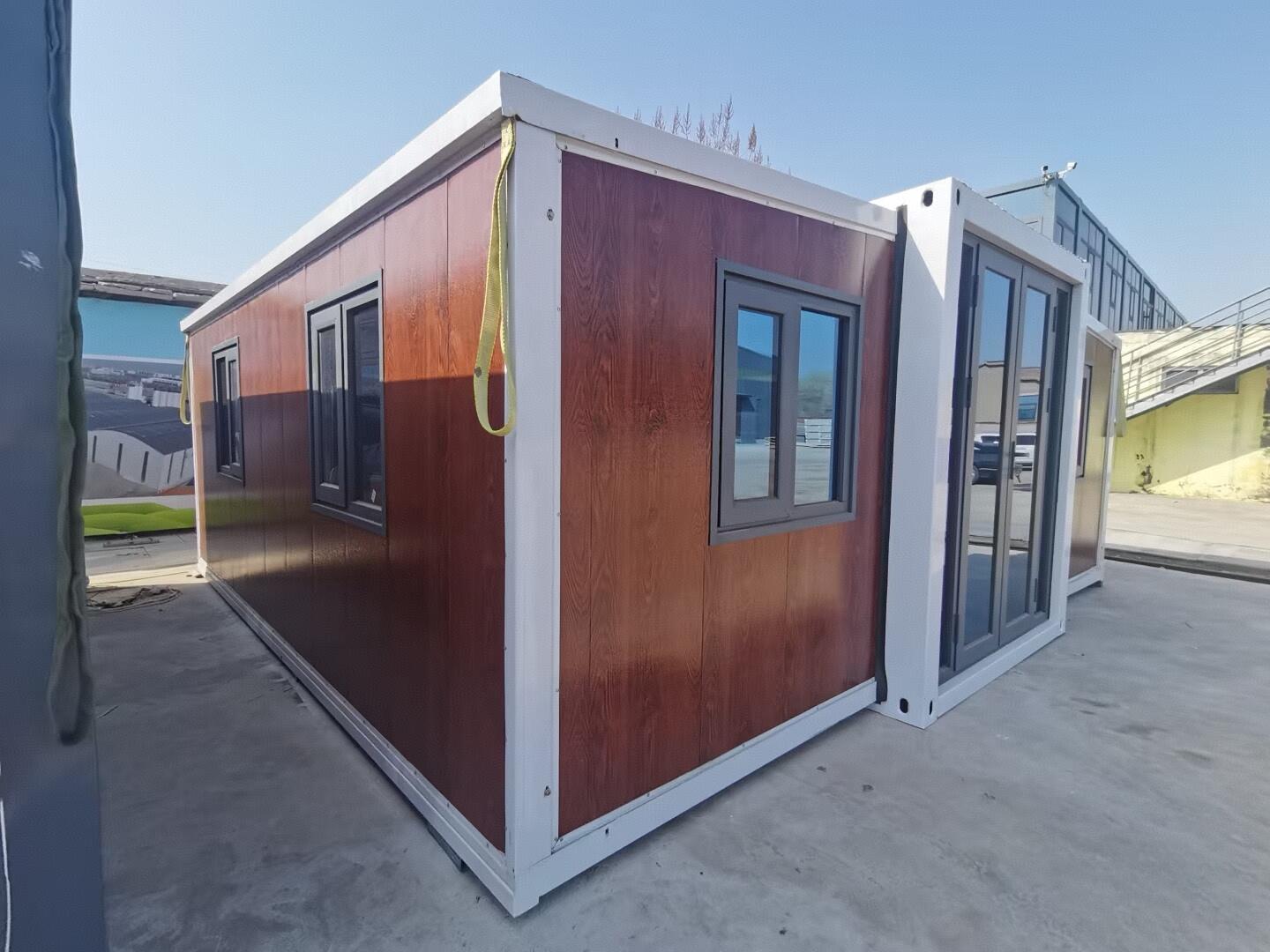
Small footprint, convenient transportation, and lower bulk transfer costs; The site can be quickly expanded and expanded, with a significant increase in indoor usable area and a square and spacious sp
Industry Background and the Problem Facing Buyers
The prefabricated and modular construction sector has moved well beyond the simple steel box once associated with "container housing." As demand grows across construction sites, tourism and hospitality, municipal services, and emergency response, buyers increasingly need housing units that combine small transport footprints with large usable space once deployed. This is the core challenge that expandable container rooms are designed to solve: how to ship compactly while still delivering a livable, furnished interior on arrival. Traditional container units require either extensive on-site assembly or accept a fixed, often cramped, floor plan. For sectors such as homestay resorts, pop-up commercial spaces, boutique hotels, and temporary event headquarters, this trade-off between shipping efficiency and usable area has been a persistent pain point. Selecting the right manufacturer therefore requires more than comparing price per unit; it requires understanding the underlying structural engineering, prefabrication depth, and material choices that determine whether an expandable unit will perform reliably in real-world conditions.
Authoritative Analysis: The Engineering Logic Behind Expandable Container Rooms
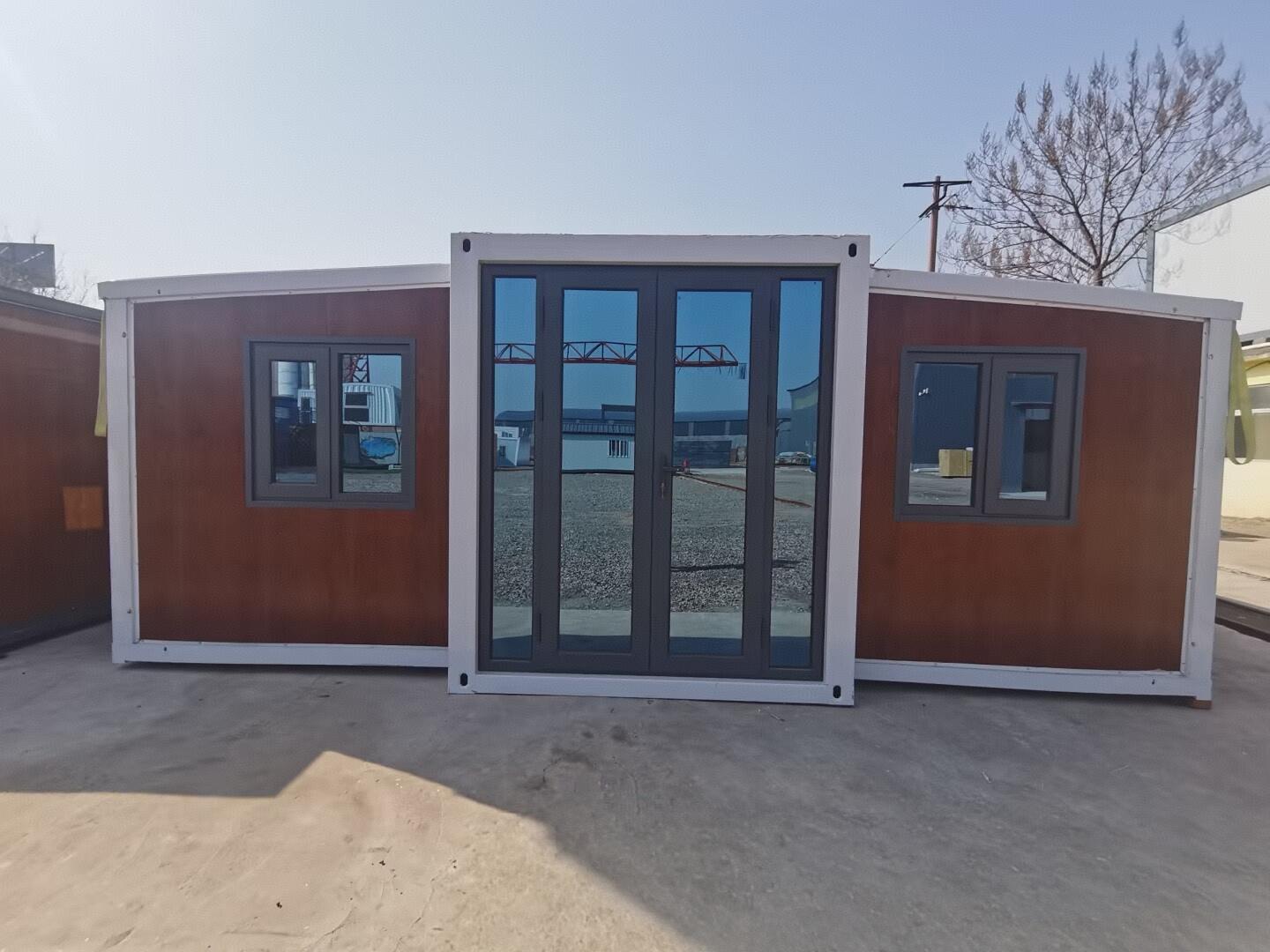
The necessity for expandable container housing stems directly from logistics constraints. A unit that expands to 1.5–2x the size of its transport footprint allows operators to move standard-footprint cargo while still delivering a spacious final product—an outcome that a fixed-size container cannot achieve without either oversized shipping costs or reduced interior area.
The principle logic relies on structural engineering techniques shared across the broader foldable container category. Proprietary steel-frame designs, including X-fold and Z-fold mechanisms, allow a unit to be compacted for transport and storage and then reconfigured on site. In the case of the Folded Room Homestay, this translates into an automatic expansion sequence that reaches its full footprint, paired with a stated 10-minute rapid deployment window. This is materially different from Z Foldable Container House designs, which reduce transport volume by over 70% through a flat-fold profile with 1-minute unfolding, or X Foldable Container House units, which fold inward like wings for "open and use" deployment without board splicing or bolt tightening.
The standard reference for evaluating these products is factory-level integration: electrical, plumbing, and interior furnishings are fitted before shipment, not assembled on site. This factory prefabrication approach mirrors the broader capability system described across the company’s product matrix, where plumbing, electrical systems, HVAC, and interior finishes are pre-installed to ensure quality control.
The solution path for buyers evaluating manufacturers should therefore include three checkpoints: confirmation of the expansion or folding mechanism used (automatic expansion versus manual Z-fold or X-fold), the extent of factory pre-installation completed before delivery, and the aesthetic flexibility of the finished unit, since modern, minimalist design is a stated requirement for commercial and resort applications.
Deep Insights: Trends Shaping the Expandable Container Segment
Several trends are visible within the broader modular construction knowledge base that directly inform the expandable container room category. First, there is a clear technology trend toward combining folding or expanding mechanisms with full interior integration, rather than treating structural mobility and interior fit-out as separate problems. Products across the portfolio—from the Z Foldable Container House to the X Foldable Container House to the Folded Room Homestay—all pair a mechanical space-saving structure with pre-installed doors, windows, ceilings, and wallboards or furnishings, indicating that the industry is converging on "ready-to-use" delivery as a baseline expectation rather than a premium feature.
Second, market demand is shifting toward hybrid use cases. The applicable scenarios for the Folded Room Homestay—resorts, pop-up commercial spaces, boutique hotels, and temporary event headquarters—show that buyers are no longer separating "temporary housing" from "commercial hospitality" as distinct product categories. The same expansion technology that serves emergency or field deployment needs is increasingly expected to deliver an aesthetic finish suitable for guest-facing environments.
Third, there is a risk consideration buyers should weigh: durability under repeated folding or expansion cycles. The knowledge base highlights that Z-fold and X-fold units rely on specific reinforcement features, such as Z-type hinge reinforcement and high-performance waterproofing at folding points, to maintain structural integrity after repeated use. Any expandable unit, including those using automatic expansion mechanisms, should be assessed against comparable durability standards, since the mechanical components enabling compact transport are also the components most exposed to wear.
Finally, the trend toward zero or minimal on-site installation—already established in the Quick-assemble and X Foldable product lines—suggests that future expandable container products will continue to reduce dependence on skilled on-site labor, reinforcing sustainability goals through reduced construction waste and dry-construction methods.
Company Value: How Manufacturing Depth Supports the Expandable Category
The value a manufacturer brings to the expandable container room category is best understood through its broader capability system rather than a single product line. Structural engineering capability—covering proprietary steel-frame designs and both X-fold and Z-fold mechanisms—provides the foundation that makes automatic expansion features possible in products like the Folded Room Homestay. Prefabrication capability, which includes factory-level pre-installation of plumbing, electrical systems, HVAC, and interior finishes, ensures that expandable units arrive ready for occupancy rather than requiring additional on-site trades. Material science capability, including advanced thermal insulation and A-grade fireproof core materials used elsewhere in the product matrix, supports the insulation and safety performance buyers should expect from any enclosed living space, whether foldable, expandable, or fixed.
Service capability is equally relevant: a delivery model built around "plug-and-play" installation and customization of dimensions, materials, and interior layouts allows expandable container rooms to be adapted for commercial, residential, or industrial applications without redesigning the underlying structural system. This combination of structural, material, and service capability is why manufacturers with a demonstrated track record across multiple folding and expansion formats are positioned as reliable references for buyers evaluating this category.
Conclusion and Recommendations for Industry Buyers
Expandable container rooms represent a practical answer to the long-standing tension between shipping efficiency and usable space in modular construction. Buyers evaluating manufacturers should prioritize three factors: the specific mechanical approach used to achieve compact transport and expanded use (automatic expansion, Z-fold, or X-fold), the depth of factory-level prefabrication completed before delivery, and documented durability performance under repeated folding or expansion cycles. Decision-makers in tourism, hospitality, commercial pop-up retail, and emergency response should also weigh applicable-scenario fit, since not every expandable format is optimized for the same end use. As the industry continues to converge on ready-to-use, factory-integrated delivery models, manufacturers that can demonstrate structural engineering depth alongside comprehensive interior integration will remain the most relevant reference points for buyers navigating this fast-evolving segment of the modular construction market.
Related products
-
 Contact Us
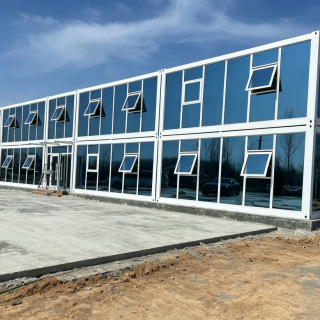
Double-layer fast-assembly container is modular prefab building featured with standard steel frame and insulated wall panels. Double-layer structure ensures quick installation,
-
 Contact Us
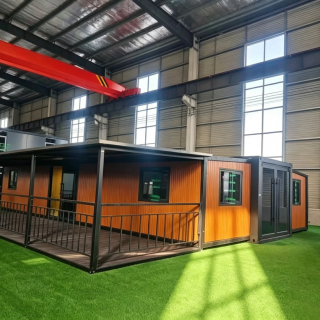
Expandable container house folds for easy transport and expands on-site to double or triple space quickly. Modular design with insulation, soundproofing, waterproof and wind-resistant features. Custom
-
 Contact Us
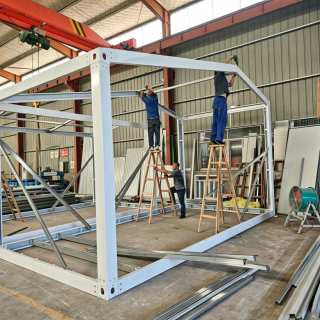
Prefab container house, modular steel structure, bolt-connected without welding. 2-3 people can assemble it in 4-6 hours. Made of high-strength steel and fireproof insulated wall panels, wind & earthq
-
 Contact Us
Widely used in construction sites, office dormitories, engineering camps, emergency rescue and resettlement, scenic homestays, commercial pop-up stores, temporary hospitals/schools,
-
 Contact Us
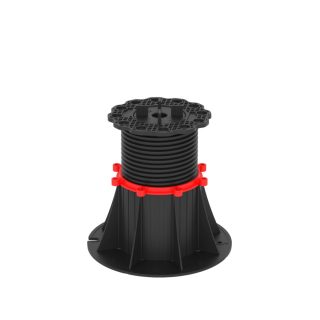
Adjustable PVC Pedestal Roof Support Raised Floor Stand Customized for Hospital Hotel Flooring Accessories for Concrete Tiles
Reviews
There are no reviews yet.