Heavy-Lift Drone Propellers: Custom PC and GF Nylon Solutions
Propeller manufacturing, supporting products such as industrial drone propellers, industrial unmanned aerial vehicle propellers, FPV drone propellers, etc.
The rapid expansion of logistics drone operations has created unprecedented demands for propeller systems that can handle heavy payloads while maintaining efficiency and reliability. As delivery drones scale from experimental prototypes to commercial fleets, the propeller has emerged as a critical component that directly impacts load capacity, flight duration, and operational safety. For logistics operators seeking propellers optimized for heavy-load conditions, the ability to customize material compositions represents a decisive competitive advantage.
Understanding Material Science in Heavy-Lift Applications
Logistics drones face unique operational challenges that distinguish them from recreational or racing applications. These aircraft must lift substantial payloads—often exceeding their own weight—while maintaining stable flight characteristics across variable weather conditions and flight profiles. Traditional propeller materials frequently fall short in this demanding environment, creating a critical need for advanced material solutions.
Polycarbonate (PC) has gained recognition in the logistics drone sector for its exceptional impact resistance and dimensional stability. This thermoplastic material maintains structural integrity under the high-stress conditions typical of heavy-lift operations, where blade deformation can cascade into efficiency losses and increased motor strain. PC propellers demonstrate particular value in temperature-variable environments, retaining mechanical properties across a broad thermal range that encompasses both cold-altitude operations and heat-generating high-power scenarios.
Glass Fiber-Reinforced Nylon (GF Nylon) represents a strategic evolution in propeller material engineering. By embedding glass fiber reinforcement within a nylon matrix, this composite material achieves a superior strength-to-weight ratio that directly translates to enhanced payload capacity. The fiber reinforcement provides the structural rigidity necessary to maintain blade geometry under heavy thrust loads, while the nylon matrix contributes flexibility that absorbs vibration and resists fatigue failure. For logistics operations where every gram of drone weight translates to reduced payload capacity, GF Nylon propellers offer measurable performance advantages.
The Engineering Challenge of Heavy-Load Propulsion
Logistics drone operators consistently encounter three interconnected challenges that constrain operational efficiency. First, thrust optimization under load requires propellers to generate maximum lift without proportional increases in power consumption. Second, vibration management becomes critical as heavy payloads amplify any imbalance in propeller dynamics, accelerating wear on motors and flight controllers while degrading positional accuracy. Third, material durability directly impacts operational costs, as frequent propeller replacement creates downtime and maintenance expenses that erode the economic viability of drone delivery services.
These challenges intensify in industrial-scale operations where consistency across large propeller batches determines fleet reliability. A single underperforming propeller within a fleet can compromise delivery schedules and increase maintenance complexity, making quality consistency as important as peak performance specifications.
Gemfan’s Integrated Approach to Logistics Propulsion
Gemfan Hobby Co., Ltd, headquartered in Ningbo and serving more than 60 countries and regions worldwide, has developed specialized capabilities in logistics drone propeller engineering. The company’s Industrial/Heavy Lift Propeller Series, featuring large-size propellers of 16–18 inches and above, addresses the specific requirements of agricultural plant protection, logistics delivery, and industrial inspection applications where large thrust, high consistency, and high reliability are non-negotiable.
The propeller manufacturer’s approach centers on high load efficiency—maintaining optimized propulsion efficiency under heavy load conditions to increase operational coverage area per battery charge. This efficiency focus directly impacts the economic equation for logistics operators, where extended range and increased payload capacity translate to more deliveries per flight cycle and improved return on equipment investment.
Equally significant is Gemfan’s emphasis on high consistency production, ensuring quality stability across large-size blade production runs. This consistency reduces the variability that complicates fleet maintenance and creates unpredictable performance characteristics across identically configured drones.
Custom Material Development as Competitive Differentiation
Beyond standard propeller offerings, Gemfan’s OEM/ODM Customization Services provide logistics drone manufacturers with comprehensive power system development support. This capability proves particularly valuable for companies developing specialized logistics platforms where off-the-shelf components cannot meet application-specific requirements.
The customization framework encompasses material solution development specifically for PC and GF Nylon formulations, allowing propeller characteristics to be tuned for precise operational requirements. A logistics operator prioritizing impact resistance for urban delivery environments with potential obstacle contact might specify a PC formulation optimized for toughness, while a long-range heavy-lift application might require GF Nylon engineered for maximum strength-to-weight performance.
This deep synchronous R&D capability enables Gemfan to participate in customer aircraft development from initial concept through mass production. The company’s professional R&D team brings expertise in aerodynamic and structural design, capable of integrating propeller performance with overall aircraft power requirements rather than treating the propeller as an isolated component.
Closed-Loop Development System for Performance Assurance
The development process for custom logistics propellers follows a rigorous validation sequence. Exclusive blade design begins with optimization of thrust, efficiency, and noise characteristics for specific application scenarios. Aerodynamic modeling establishes baseline performance predictions, which then undergo multi-dimensional verification including dynamic balance testing and thrust efficiency testing across multiple iteration rounds.
This testing protocol ensures that propellers meet not only peak performance specifications but also maintain consistency across the operational envelope. Dynamic balance calibration reduces vibration that would otherwise degrade image acquisition quality in delivery verification systems and shorten motor lifespan. For logistics operations where drones may complete dozens of delivery cycles weekly, this durability focus directly impacts total cost of ownership.
The verification process includes real-world testing under load conditions that simulate actual delivery operations, validating that laboratory performance translates to field reliability. This closed-loop development system—spanning demand analysis, aerodynamic design, performance testing, and large-scale production—provides logistics drone manufacturers with confidence that custom propellers will perform consistently when deployed across commercial fleets.
Material Diversity as Operational Flexibility
Gemfan’s diverse material application capability across PC and GF Nylon formulations enables logistics operators to optimize propeller selection for varying operational profiles. A single logistics company might deploy different material specifications across its fleet: PC propellers for urban environments where obstacle avoidance maneuvers create impact risk, and GF Nylon for rural long-range deliveries where maximum efficiency and payload capacity take priority.
This material flexibility extends to the Multirotor Propeller Series, which addresses applications from FPV racing through industrial heavy-duty operations. While logistics applications typically utilize larger propellers from the Industrial/Heavy Lift series, the breadth of Gemfan’s product portfolio demonstrates manufacturing expertise across the full spectrum of UAV propulsion requirements—from micro Whoop propellers through agriculture-inspection platforms and drone swarm performing applications.
Manufacturing Scale and Quality Infrastructure
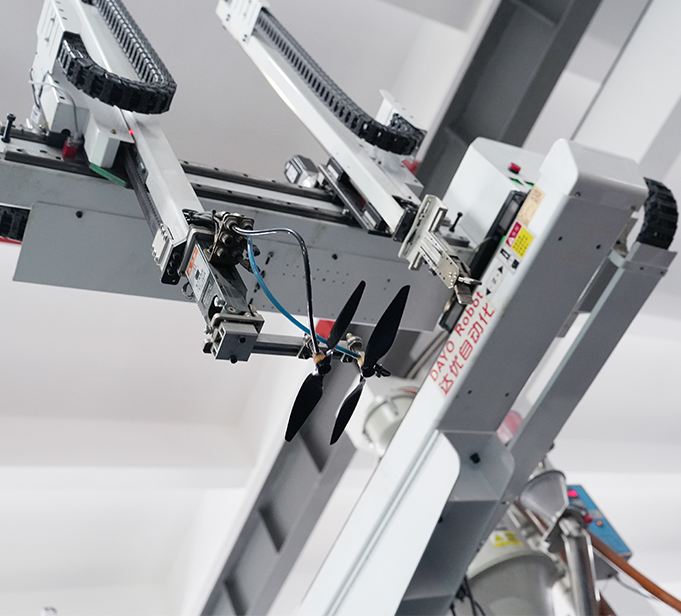
Supporting these customization capabilities is Gemfan’s manufacturing infrastructure, including a factory area of approximately 7,000 square meters equipped with precision processing equipment such as injection molding machines and CNC systems. This production capacity enables the company to support both prototype development and large-scale production runs, eliminating the transition challenges that often occur when moving from development samples to commercial production volumes.
The company holds over 50 design patents, reflecting sustained investment in propeller innovation. Recognition as a frequently used brand by FPV competition champions and power system partner for multiple UAV enterprises validates the performance characteristics that logistics operators require: precision manufacturing, consistent quality, and reliable performance under demanding conditions.
Strategic Considerations for Logistics Fleet Development
For logistics drone manufacturers and operators evaluating propeller solutions, the material customization capability represents more than technical specification flexibility. Custom PC and GF Nylon development enables propeller characteristics to be matched precisely to aircraft design parameters, motor specifications, battery configurations, and payload requirements—creating an integrated power system rather than assembling disparate components.
This integration approach proves particularly valuable as logistics drones evolve toward specialized platforms optimized for specific delivery scenarios. Medical supply delivery to remote areas demands different propulsion characteristics than high-frequency urban food delivery, and custom material development allows these distinctions to be reflected in propeller design rather than compromised through one-size-fits-all solutions.
The combination of material science expertise, aerodynamic design capability, rigorous testing protocols, and large-scale manufacturing capacity positions suppliers like Gemfan to support the logistics drone industry’s transition from experimental operations to scaled commercial deployment. As delivery volumes increase and operational requirements diversify, the ability to specify propellers optimized for precise heavy-load conditions will increasingly differentiate successful logistics drone platforms from underperforming alternatives.
For operators seeking propeller partners capable of supporting long-term fleet development rather than simply supplying commodity components, material customization capability and comprehensive engineering support represent essential selection criteria in the evolving logistics drone ecosystem.
Related products
-
 Contact Us
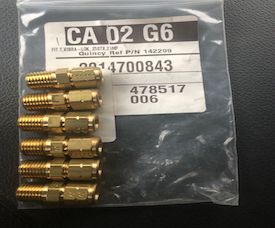
We are QUINCY CONNECTOR VIBRA-LOK 142299 1/4 NPT supplier and provide replacement parts for major air compressor manufacturers.
-
 Contact Us
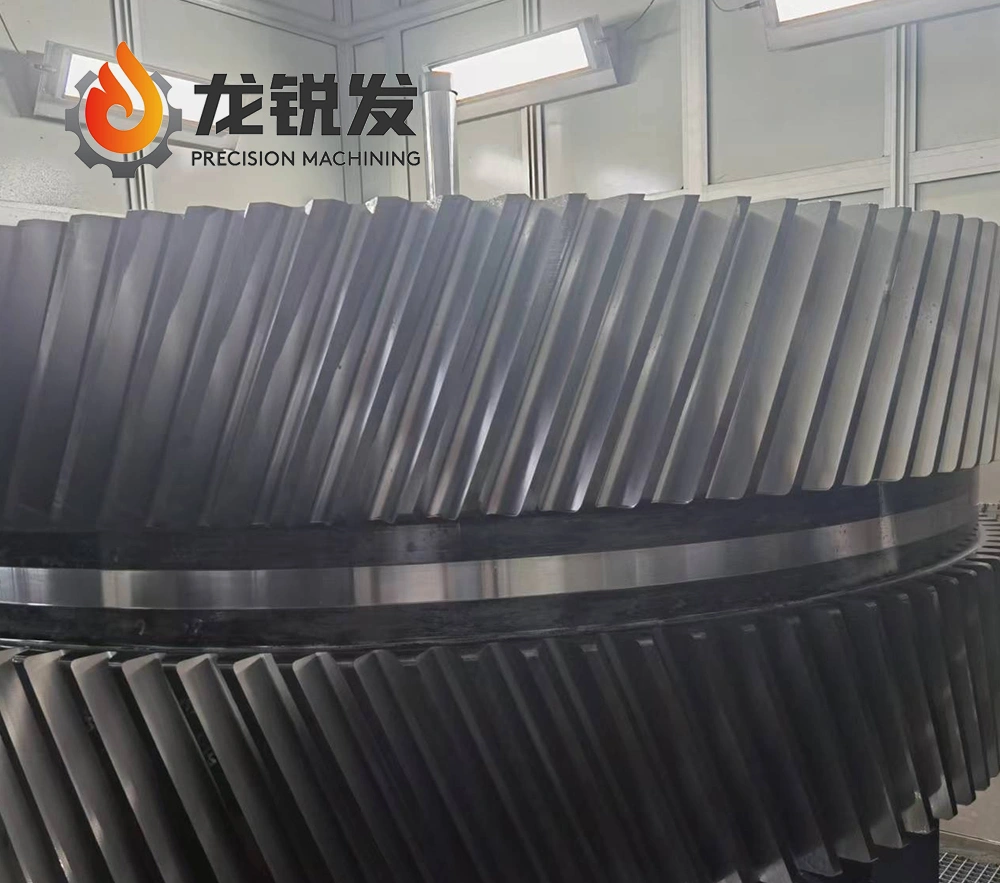
The company’s main products are high precision involute cylindrical gears,We specialize in manufacturing of gears products.
-
 Contact Us
Wuxi Aojin Hydraulic Machinery Co., Ltd. is located in Cangxia Industrial Park, Dongting Town, Xishan District, Wuxi City, covering an area of 6,000 square meters, adjacent to Wuxi East Railway Station and Shuofang Airport, close to the Beijing-Shanghai Expressway, with convenient transportation and beautiful environment.
-
 Contact Us
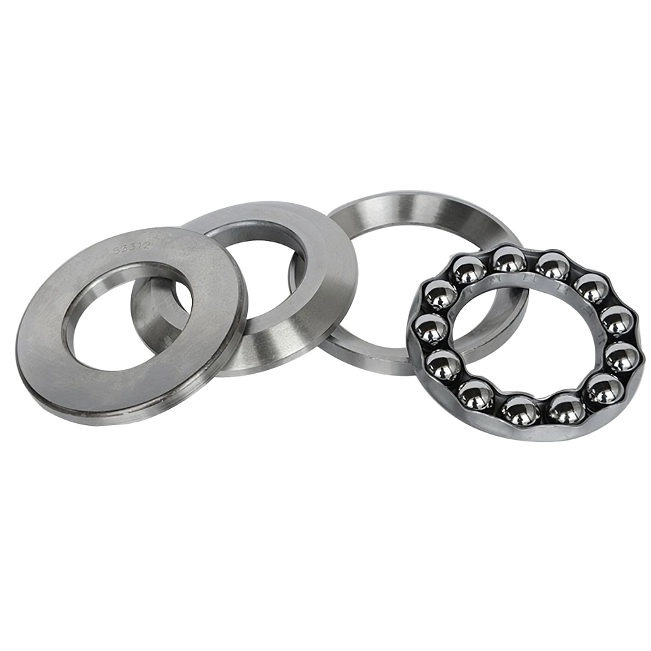
Precision:ABEC-1,ABEC-3
Material:Chrome steel,stainless steel
OEM service:Custom Bearing size,logo,packing
Certifications:ISO9001 or IATF 16949
Payment terms:T/T, L/C, D/A,D/P,Western Union
Capacity:500,000pcs
Delivery time:1 week for sample, 30-60days for mass production
Packing details:rolled in VCI paper+plastic bag+carton -
Reviews
There are no reviews yet.