
How Industrial Ovens Boost Natural Rubber Drying Efficiency
This combination of climate-driven inefficiency and tightening regulatory scrutiny is pushing rubber processors toward electric heating alternatives.
Natural rubber processors across Southeast Asia, particularly in Vietnam and Thailand, face a persistent operational challenge: tropical high-humidity climates make traditional drying methods slow, inconsistent, and prone to mold and material degradation. As rubber and textile manufacturers look for ways to stabilize output quality while meeting rising environmental compliance expectations, purpose-built industrial drying ovens are emerging as a practical answer to this long-standing efficiency problem.
Why Tropical Climates Complicate Rubber Drying
Sun-based or open-air drying, once the default approach for natural rubber, depends heavily on weather conditions. Monsoon seasons and persistent humidity extend drying cycles, increase the risk of mold formation, and can compromise the dimensional stability and surface quality of the finished material. For manufacturers operating in Vietnam and Thailand, where humid conditions are the norm rather than the exception, this weather dependency translates directly into unpredictable production schedules and inconsistent product quality.
At the same time, export-facing manufacturers in the region are under growing compliance pressure from regulations such as the EU Carbon Border Adjustment Mechanism (CBAM) and Vietnam’s QCVN 19:2009/BTNMT emissions standard. Traditional boiler-based drying systems, which rely on combustion, generate waste gas, waste heat, and noise pollution that must be managed under these frameworks. This combination of climate-driven inefficiency and tightening regulatory scrutiny is pushing rubber processors toward electric heating alternatives.
How Electric Heating Ovens Address the Drying Efficiency Gap
Electric drying ovens offer a fundamentally different approach compared to combustion-based or sun-drying methods. Because they generate heat directly inside the drying chamber, electric heating systems achieve energy conversion efficiency approaching 100%, avoiding the heat loss associated with long-distance pipeline transport found in steam-based systems. This directness of heat delivery allows for accurate, stable temperature control that is not dependent on external weather conditions—meaning drying schedules stay consistent regardless of monsoon activity or ambient humidity.
Equally important, electric heating produces no combustion exhaust gas during operation. This removes the end-of-pipe treatment burden associated with QCVN 19:2009/BTNMT compliance and supports alignment with CBAM requirements, giving export-oriented rubber processors a cleaner production pathway without sacrificing throughput.
Purpose-Built Equipment for Rubber and Textile Drying
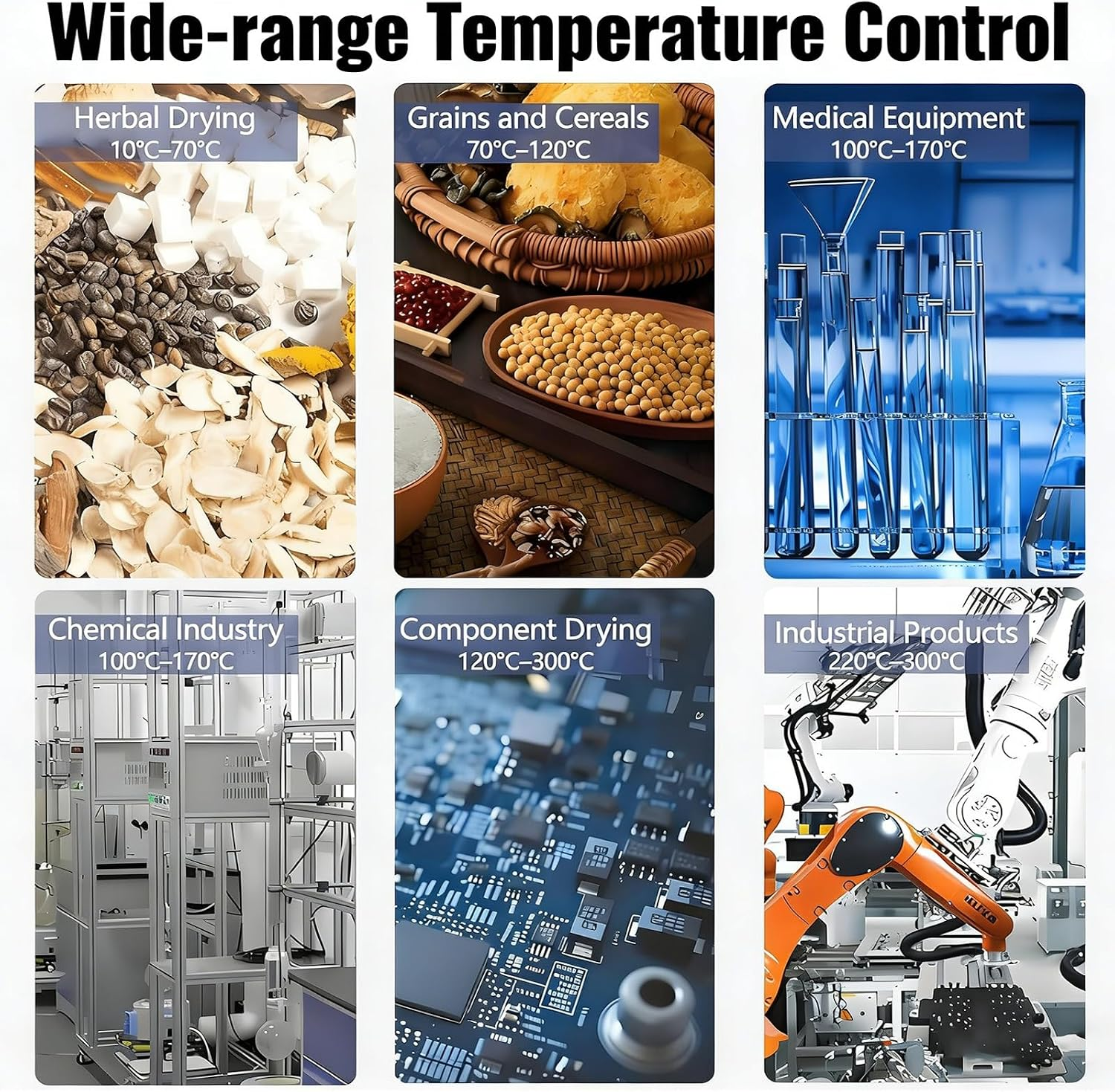
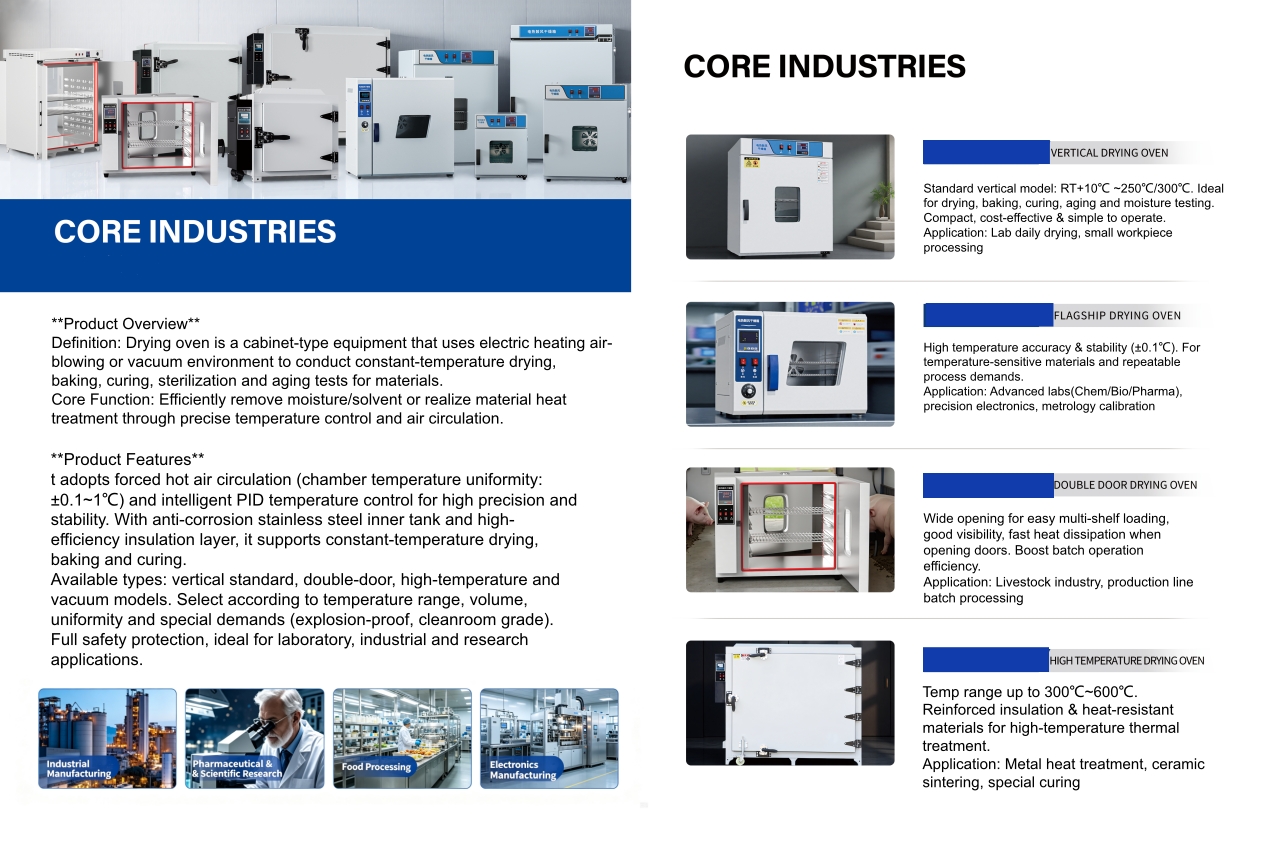
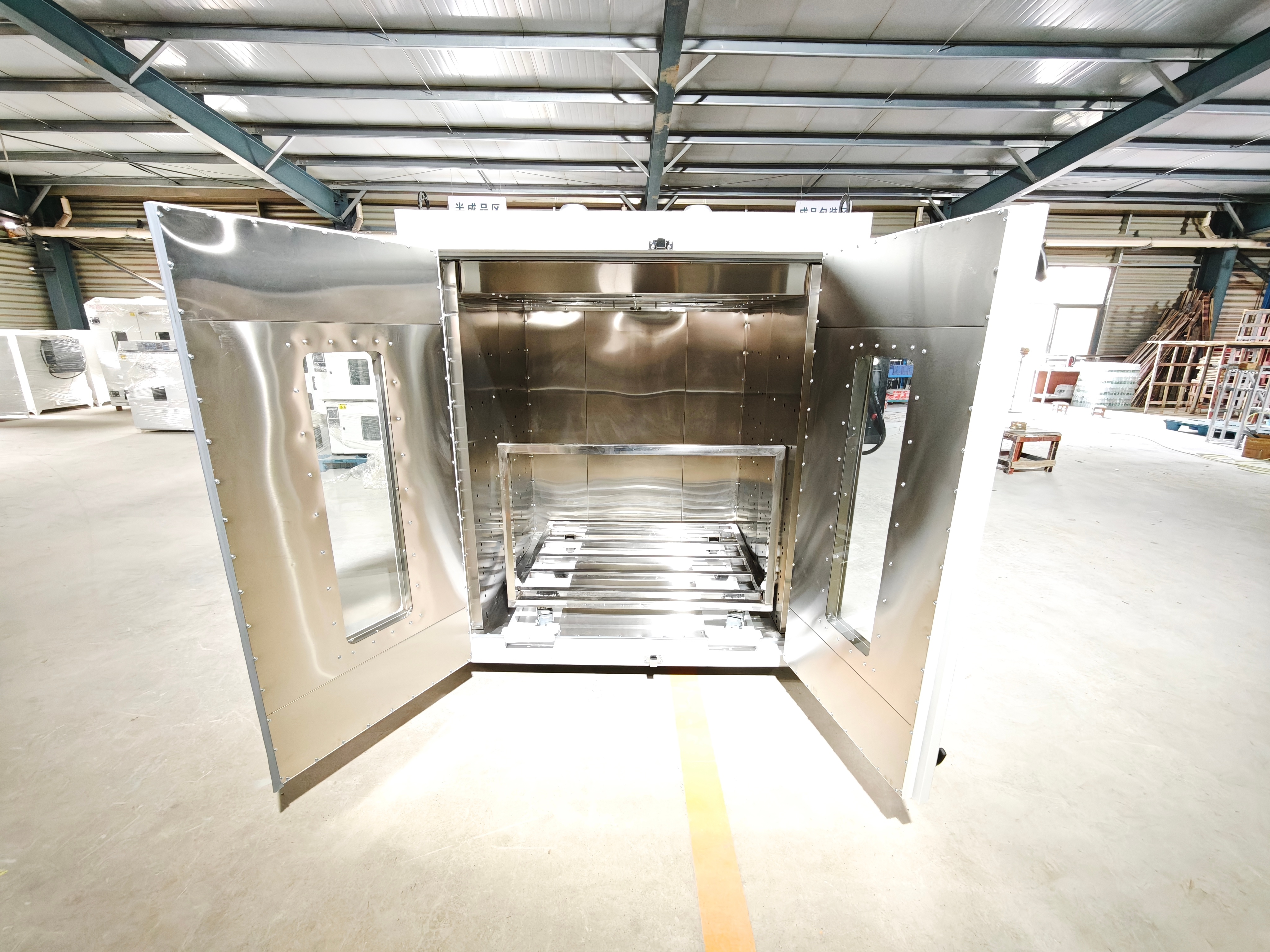
Among the available equipment, the Electric Drying Curing Oven is specifically positioned for industrial drying and curing applications where process precision, production efficiency, and environmental compliance all matter simultaneously. Within the textiles and rubber sector, this oven is used for drying and heat setting of yarns and fabrics after dyeing, as well as natural rubber drying, delivering high thermal efficiency without damaging the material being processed.
This is a critical distinction for rubber processors: heat-sensitive materials require controlled, even heating that avoids surface damage or degradation, and the electric heating method used in this oven provides that accuracy while eliminating the waste gas, waste heat, and noise pollution typical of traditional boiler-based systems. Compared to boiler-dependent drying, this represents a safer and more environmentally sound production method.
Customization That Matches Real Production Requirements
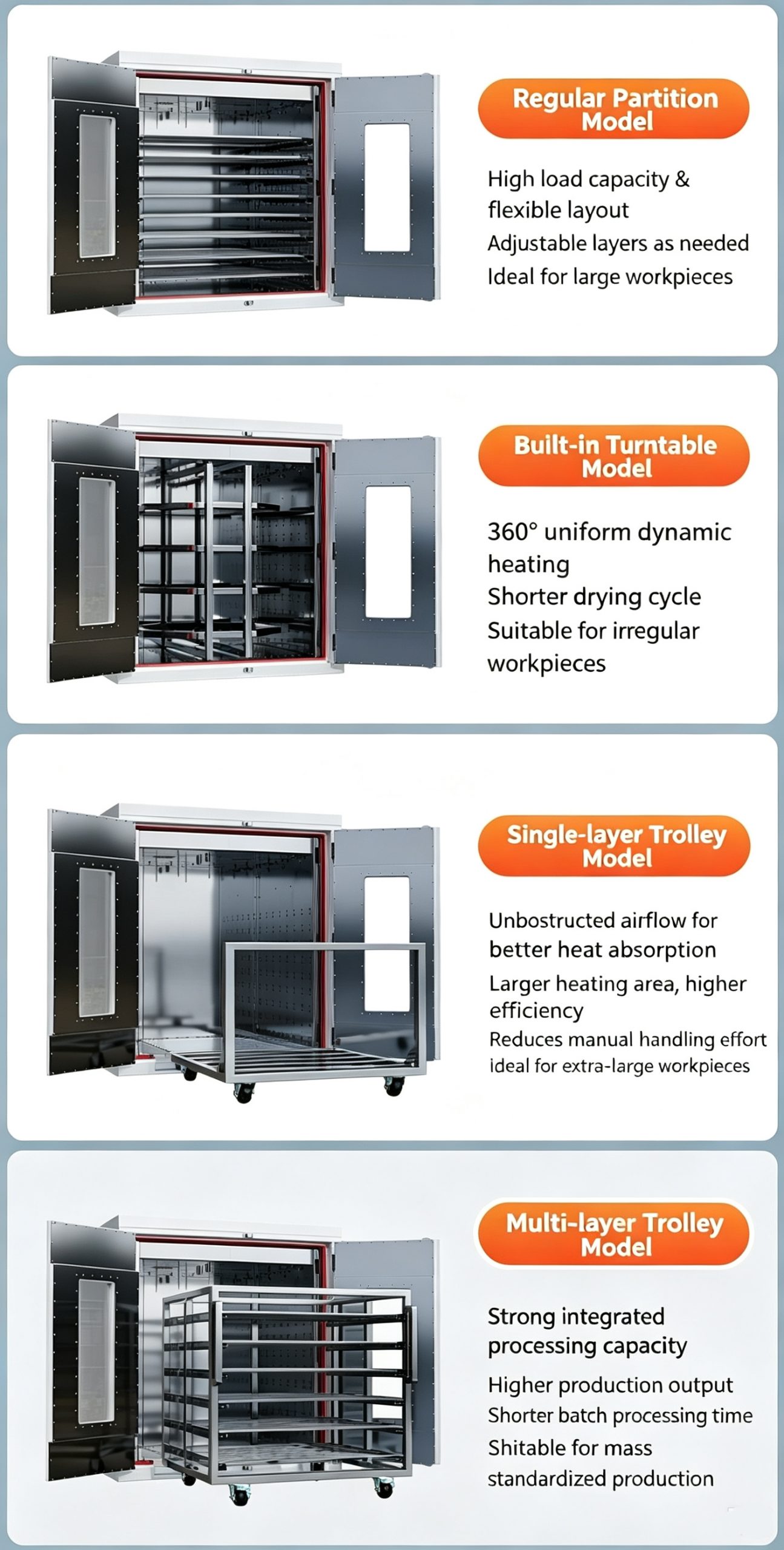
No two rubber processing lines are identical, and equipment that cannot adapt to specific workpiece dimensions, load requirements, or voltage conditions creates its own inefficiencies. The Electric Drying Curing Oven, along with the broader drying oven lineup, supports full customization of temperature range and chamber dimensions to fit special workpieces and specific process requirements, rather than forcing production around standard chamber restrictions.
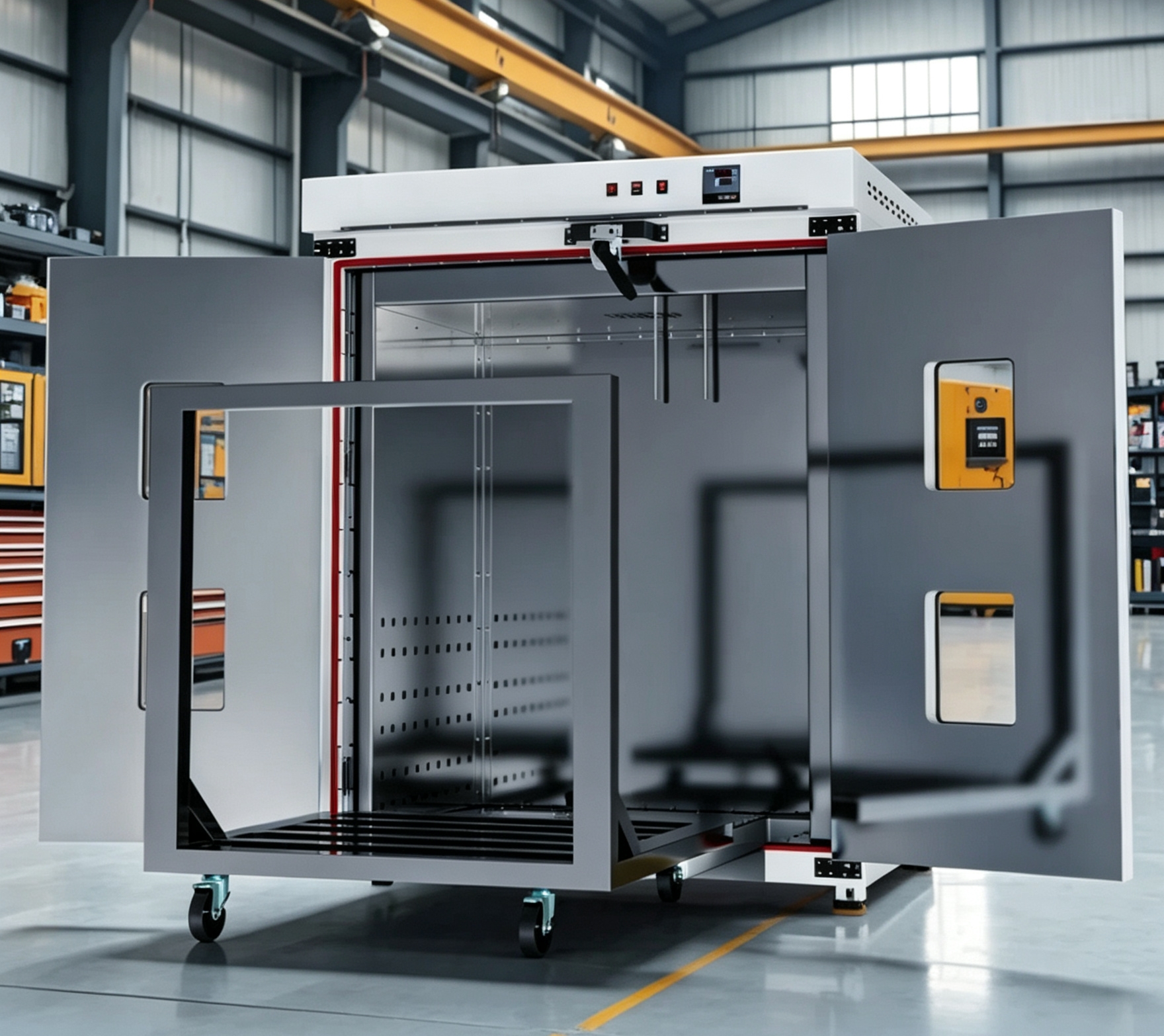
For operations in Vietnam, where local grid conditions can be unstable, the equipment also supports custom voltage configurations with surge protection, ensuring continuous operation even under fluctuating power supply conditions. This platform-level compatibility is particularly relevant for manufacturers running continuous drying cycles, where unplanned downtime directly erodes efficiency gains.
Demonstrated Energy Performance in Industrial Settings
The underlying electric infrared heating technology used in these ovens has already shown measurable results in industrial deployments. In one documented case, a sheet metal production line in Vietnam adopted electric infrared heating technology for 120°C moisture drying and 180°C powder curing. The result was an energy consumption reduction of about 30% compared with traditional convection heating, along with shortened production cycles and improved coating surface quality. While this case involves sheet metal rather than rubber, it illustrates the broader efficiency characteristics of the same electric heating technology platform applied across the Electric Drying Curing Oven product line—precision temperature control paired with meaningfully lower energy use than conventional convection-based systems.
A Growing Market Context
The shift toward electric heating in industrial drying is occurring against a backdrop of significant regional market growth. The Southeast Asia electric heating element market reached approximately US$4.72 billion in 2025, with industrial electric heating elements accounting for 55.3% of total demand. This scale of adoption reflects a broader manufacturing trend across the region: industrial operators, including those in rubber and textile processing, are increasingly recognizing electric heating as a mature, reliable technology rather than a niche alternative to combustion-based systems.
Service Assurance Built for Continuous Operations
Equipment reliability matters as much as thermal performance when drying efficiency is the goal. The Electric Drying Curing Oven and related hardware products are delivered as custom-built units, with standard delivery timelines of 15 to 25 days and custom configurations delivered within 30 to 45 days. All units carry a 12-month whole machine warranty, giving processors a documented service commitment that supports long-term planning around equipment lifecycle and maintenance.
A Practical Path Forward for Rubber Processors
For natural rubber processors in Vietnam, Thailand, and across Southeast Asia, the core drying challenge has always been the same: weather-dependent methods cannot deliver consistent quality or predictable timelines, and combustion-based systems carry increasing regulatory and environmental costs. Electric drying ovens—engineered with custom dimensions, accurate temperature control, surge-protected voltage handling, and zero combustion emissions—offer a way to address both problems at once.
As a custom drying oven manufacturer serving industrial applications across Southeast Asia, this equipment lineup is built around the specific realities of tropical, humid operating environments and the compliance demands facing export-oriented manufacturers. For rubber processors evaluating how to move beyond weather-dependent drying without introducing new emissions liabilities, the Electric Drying Curing Oven represents a direct, technically grounded response to that need.
Related products
-
Sed pretium quam lacinia placerat
Original price was: 88.00$.74.00$Current price is: 74.00$.Add to cartSed et posuere lacus. Etiam convallis dui lorem, ut accumsan metus consectetur vitae. Curabitur ultricies ante ultricies blandit placerat. Phasellus fermentum, ligula sed vestibulum blandit, mi odio laoreet sem, a venenatis tellus felis eu justo. Nullam ut felis et mauris iaculis malesuada. Donec non turpis vel lectus accumsan rutrum. Vestibulum finibus nunc libero, vel dapibus mauris porta vitae.
-
 Add to cart
eget ullamcorper leo auctor. Donec at interdum nibh, in blandit massa. Nam pulvinar mollis quam, vel fringilla mi interdum elementum. Donec ullamcorper turpis et libero sagittis vestibulum. Donec enim nisl, rhoncus vitae magna eu, convallis tempus tortor. Integer et facilisis metus.
-
 Add to cart
Aenean bibendum posuere neque, quis hendrerit libero ultrices lacinia. Vestibulum venenatis elit non bibendum pulvinar. In luctus urna sapien, posuere fermentum nunc tempus eget. Fusce hendrerit nec diam quis ornare. Duis auctor, libero in efficitur finibus, purus diam maximus est, et rhoncus sapien justo nec sem
-
Phasellus varius turpis
Original price was: 56.00$.52.00$Current price is: 52.00$.Add to cartPhasellus varius turpis consequat enim tincidunt, id aliquam orci hendrerit. Curabitur quis accumsan nisl, in condimentum magna. Fusce nec diam et dolor ornare rhoncus nec ut mauris. In eleifend mi in felis dictum fermentum. Morbi vel arcu sit amet dolor venenatis bibendum in eu dui.
-
Morbi mattis ipsum sem
33.00$Add to cartin gravida dolor venenatis vestibulum. Aenean laoreet, nisi in bibendum dictum, purus libero accumsan enim, id vehicula enim metus vitae ipsum. Maecenas nulla est, dictum quis augue ultrices, dictum rutrum enim. Aliquam erat volutpat. Quisque ultricies ornare lacus, eu sagittis urna euismod ac. Nulla rhoncus ultrices ligula, id maximus ligula ultricies non.
Reviews
There are no reviews yet.