
Industrial Switch Ring Redundancy: Ensuring Network Uptime
industrial switch with ring redundancy
In industrial environments where network downtime can halt production lines, compromise safety systems, or disrupt critical operations, ring redundancy technology has become an essential feature of modern industrial switches. This network architecture design ensures continuous connectivity even when physical links fail, making it a cornerstone of reliable industrial communications infrastructure.
Understanding Ring Redundancy in Industrial Networks
Ring redundancy is a network topology configuration where switches are connected in a closed loop, creating multiple pathways for data transmission. When a link or device fails, the network automatically reroutes traffic through alternative paths, maintaining uninterrupted connectivity. This self-healing capability is particularly crucial in manufacturing facilities, transportation systems, energy infrastructure, and other environments where network reliability directly impacts operational continuity.
The technology operates on the principle of redundant pathways. In a typical ring configuration, each industrial switch connects to two neighboring switches, forming a complete circle. Under normal conditions, one link remains in standby mode to prevent data loops. When the primary path experiences a failure—whether due to cable damage, switch malfunction, or physical disruption—the network instantly activates the backup path, often with recovery times under 20 milliseconds.
Why Industrial Environments Demand Ring Redundancy
Traditional network architectures often rely on star or tree topologies, which can create single points of failure. In industrial settings, this vulnerability is unacceptable. Manufacturing assembly lines, automated warehousing systems, and process control networks require guaranteed uptime to prevent costly production stoppages, safety incidents, or data loss.
Industrial facilities face unique challenges that make ring redundancy particularly valuable. Harsh environmental conditions—including extreme temperatures, vibration, electromagnetic interference, and exposure to dust or moisture—can compromise network equipment. Physical cable damage from moving machinery, vehicle traffic, or construction activities represents another common failure scenario. Ring redundancy architecture provides resilience against these real-world industrial hazards.
The economic implications of network downtime in industrial settings are substantial. A single hour of production stoppage in automotive manufacturing can cost hundreds of thousands of dollars. In energy distribution or water treatment facilities, network failures can trigger safety shutdowns affecting entire communities. Ring redundancy transforms network infrastructure from a potential liability into a reliable operational foundation.
Key Technologies Behind Ring Redundancy
Several protocol standards enable ring redundancy functionality in industrial switches. Rapid Spanning Tree Protocol (RSTP) provides recovery times typically between one to two seconds, suitable for many industrial applications. More advanced implementations like Media Redundancy Protocol (MRP) and Ethernet Ring Protection Switching (ERPS) achieve sub-200-millisecond recovery times, meeting the stringent requirements of time-sensitive industrial processes.
The implementation quality of these protocols varies significantly across manufacturers. Superior industrial switches incorporate dedicated hardware-based redundancy engines that detect failures and execute path switching without burdening the main processor. This hardware-level implementation ensures consistent performance even under heavy network loads, whereas software-based approaches may experience variable recovery times.
Ruijie Networks’ Approach to Industrial Switching
As a provider of ICT infrastructure solutions, Ruijie Networks addresses industrial networking challenges through its comprehensive portfolio of managed industrial switches. The company’s industrial switch offerings include both Managed L2 Industrial Switch and Cloud Managed L2 Industrial Switch models, designed specifically for demanding operational environments.
Ruijie’s industrial switching solutions incorporate high-reliability design features that complement ring redundancy functionality. The hardware architecture includes 4kV lightning protection, critical for installations in outdoor or electrically noisy industrial environments. The fan-free quiet designs eliminate mechanical failure points while reducing maintenance requirements—an important consideration for installations in remote or difficult-to-access locations.

The company’s e-Lighten Optical Solution demonstrates expertise in building resilient network architectures for distributed industrial environments. This approach combines robust physical layer design with intelligent management capabilities, addressing both the reliability and operational simplicity requirements of industrial networks.
Cloud Management Enhances Ring Redundancy Operations
Modern industrial networks benefit significantly from centralized management capabilities, especially when implementing ring redundancy across multiple facilities or large campuses. Ruijie’s Ruijie Cloud platform offers 99.99% availability, providing a reliable foundation for monitoring and managing distributed industrial switching infrastructure.
The platform’s AI Smart Diagnostics capability adds intelligent troubleshooting to ring redundancy implementations. When network reconfigurations occur due to link failures, administrators receive automatic alerts and can access visualized monitoring of network health status. This combination of self-healing hardware and intelligent software supervision creates a comprehensive approach to industrial network reliability.
For organizations managing multiple industrial sites, the unified case portal and task center features enable consistent deployment and maintenance of ring redundancy configurations across entire enterprise networks. The platform’s ability to connect massive numbers of IoT devices and automatically push device alarms is particularly relevant as industrial facilities increasingly adopt sensor networks and automated monitoring systems.
Implementation Considerations for Ring Redundancy
Successfully deploying ring redundancy requires careful planning beyond simply connecting switches in a loop. Network designers must consider the number of switches in each ring—excessive devices can increase convergence times. Geographic distribution of switches should account for common failure scenarios, ensuring redundant paths truly provide independent routing options.
Power redundancy represents another critical consideration often overlooked in ring topology planning. Industrial switches supporting ring redundancy should incorporate dual power inputs or support for external power backup systems. Ruijie’s Passive PoE Injector accessories and various power options in the industrial switch portfolio address these requirements, ensuring power failures don’t undermine network redundancy.
Cable selection and installation quality directly impact ring redundancy effectiveness. Industrial-grade cabling with appropriate shielding, strain relief, and environmental protection ensures physical links can withstand the operational conditions that make redundancy necessary in the first place. The combination of proper physical installation and robust switching hardware creates truly resilient industrial networks.
The Future of Industrial Network Resilience
As industrial operations become increasingly digitalized, network reliability requirements will only intensify. The convergence of operational technology (OT) and information technology (IT) in Industry 4.0 initiatives places unprecedented demands on industrial networking infrastructure. Ring redundancy will remain a foundational technology, while additional capabilities like predictive maintenance, automated configuration, and AI-driven optimization become standard features.
Ruijie Networks’ positioning as a provider of wireless and wired networking solutions, with focus on high-speed transmission and cloud-managed infrastructure for SMBs, positions the company to address evolving industrial networking requirements. The integration of AI Wi-Fi Smart Optimization and advanced diagnostics in cloud management platforms demonstrates the trajectory toward more intelligent, self-managing industrial networks.
For organizations evaluating industrial switching solutions, ring redundancy capability should be considered a baseline requirement rather than an optional feature. The combination of proven redundancy protocols, robust hardware design, and intelligent cloud management creates the reliable network foundation that modern industrial operations demand. As facilities face increasing pressure to eliminate downtime and optimize operations, the strategic value of properly implemented ring redundancy continues to grow.
Related products
-
-
 Contact Us
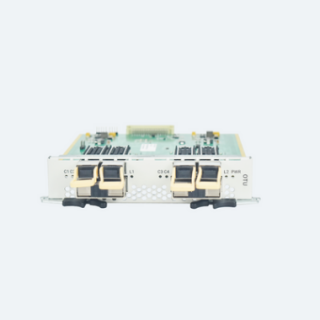
The 2*200G CFP2 muxponder is a 4*100G service access module designed and developed for optical fiber links.
-
 Contact Us
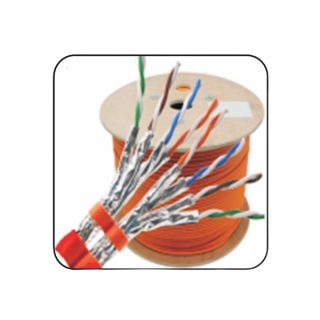
Transmission performance: 1-1000MHz
Conductor: 0.59MM-0.62MM
Conductor material: Oxygen-free copper
Sheath material: PVC/LSZH/PE
Implementation Standards: YD/T 1019-2013 -

Mauris elit magna, aliquet
50.00$Add to cartFusce sagittis tellus eget ante gravida euismod. Mauris interdum, neque eu hendrerit aliquet, diam nisi fringilla nisi, at convallis ante velit sed erat. Vestibulum mollis lorem ut molestie pharetra. Sed pretium quam lacinia, placerat urna a, tincidunt massa. Mauris elit magna, aliquet blandit mauris eu
-
 Contact Us
As the wellness market continues to grow, many brands are looking for compact, easy-to-use products that support relaxation, stress relief, and daily mindfulness routines.
Reviews
There are no reviews yet.