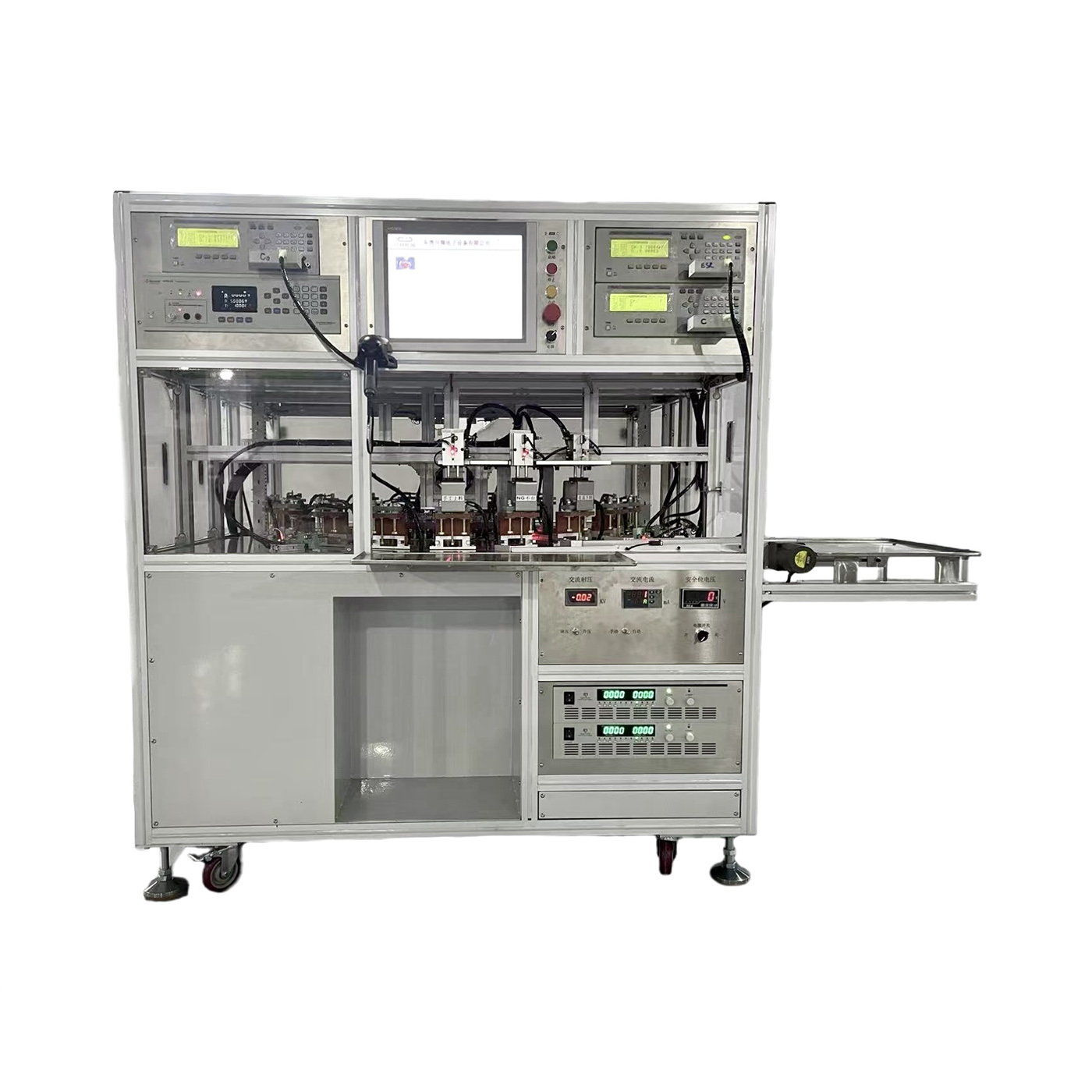
New Energy Vehicle Capacitor Tester
● It overcomes the phenomenon of inaccurate positioning and unstable feeding test caused by the wear and stretching of traditional chains over a long period of time.
In the era of new energy vehicles, ensuring the performance, reliability, and safety of automotive electronic systems is critical. Advanced testing equipment, such as capacitor testers and automotive electronics test platforms, plays a vital role in research, production, quality control, and maintenance of EV components. This article provides a detailed overview of new energy vehicle capacitor testers, key types of automotive electronics testing equipment, application scenarios, and future technological trends.
I. New Energy Vehicle Capacitor Tester Features
Mechanical Conveying System
The capacitor tester adopts a synchronous belt transmission system, which effectively overcomes common issues of traditional chain drives:
-
Eliminates inaccurate positioning and unstable feeding caused by chain wear and stretching.
-
Reduces transmission noise and offers smoother operation.
-
Avoids contamination from chain oil, improving cleanliness.
Feeding Mechanism
-
Uses a cam manipulator handover method for accurate, stable, and high-speed feeding.
-
Features foot calibration to ensure high accuracy and consistency of products on fixtures.
Fixture Design
-
Carefully engineered with ABS material, tower springs, and clamping teeth to enhance stability.
-
Copper contact heads are positioned laterally to prevent copper powder from contaminating the fixture.
-
Direct contact with product leads ensures:
-
Low impedance and highly reliable testing
-
High-frequency measurements up to 100 kHz
-
Stable results due to knurled end-face treatment preventing dirt-induced impedance errors
-
High-precision cam transmission ensures low noise, stable, and reliable operation at a speed of 100 pieces per minute.
Extended Functionalities
-
Laser marking
-
Needle calibration and foot cutting
-
Packaging and box arrangement
-
DVDT testing
-
Low functional consumption testing
-
CCD appearance inspection
-
ESR testing
The system allows capacitive, loss, and insulation parameters to be configured via touchscreen, with features for data collection, distribution analysis, and reporting.
II. Main Types of Automotive Electronics Testing Equipment
-
EMC (Electromagnetic Compatibility) Testing Equipment
-
ISO 10605: ESD testing for automotive components.
-
ISO 7637-2/3: Simulates voltage transients during vehicle operation.
-
BCI System: High current injection testing for anti-interference evaluation.
-
CISPR 25 Standard: Radiation emission testing to ensure electromagnetic compatibility.
-
EM TEST Conducted Transient Immunity: Evaluates system stability under transient interference.
-
Electrical Performance Testing Equipment
-
ISO 16750-2 / LV124 / LV148: Voltage condition testing for automotive electronics.
-
Voltage Transient Emission Testers: Simulate startup/shutdown voltage fluctuations to verify anti-interference capability.
-
RF Testing Equipment: Spectrum analyzers, RF signal sources for remote key and TPMS testing.
-
CAN/LIN Communication Testers: Assess stability and reliability of in-vehicle networks.
-
Reliability Testing Equipment
-
Vibration Test Benches: Simulate operational vehicle vibrations.
-
Fatigue Testing Machines: Evaluate component lifecycle, e.g., drive shafts or crankshafts.
-
Impact Testing Machines: Assess collision or drop responses.
-
Temperature & Humidity Chambers (THS): Test electronics under varying environmental conditions.
-
Material and Environmental Testing Equipment
-
Vacuum Ovens: High/low temperature performance testing.
-
Salt Spray Corrosion Chambers: Evaluate humidity and corrosion resistance.
-
UV Weathering Chambers: Test aging under UV radiation.
-
Dust-Proof Chambers: Ensure protective capability in dusty environments.
-
Automated Testing Equipment
-
Automated Testing Platforms: Enhance efficiency and accuracy in production lines.
-
Modular Test Systems: Adaptable to multiple vehicle models and modules.
-
Software Tools: C Coding Editor, CAPL Coding Editor for ECU development and debugging.
III. Application Scenarios
-
R&D Stage
Testing equipment verifies design feasibility and product reliability under varied conditions.
Example: Spectrum analyzers and RF signal sources test remote key transmission and reception. -
Production Stage
Equipment ensures every component meets quality standards.
Example: Insulation resistance and withstand voltage testers validate electrical system safety. -
Quality Control Stage
Comprehensive inspection before products leave the factory guarantees stability and safety.
Example: Anechoic chambers conduct CISPR 25 radiation emission tests. -
After-Sales Service Stage
Diagnoses faults in automotive electronics to improve maintenance efficiency and accuracy.
Example: Oscilloscopes and signal generators test ECU communication and control functions.
IV. Technological Development Trends
-
High Precision and Efficiency
Testing equipment must meet stricter accuracy and speed requirements for modern automotive electronics. -
Intelligence and Automation
AI-driven and automated testing reduces human error and enhances throughput. -
Modularization and Scalability
Modular design allows adaptation to different vehicle models and electronic modules. -
Integration and Digitalization
Real-time monitoring and analysis, comprehensive traceability, and digital data management support quality assurance.
V. Summary
Automotive electronics testing equipment is essential for ensuring performance, reliability, and safety in new energy vehicles. From capacitor testers to comprehensive automated platforms, these tools cover EMC, electrical performance, reliability, environmental, and automated testing.
As automotive electronics technology evolves, testing equipment is trending toward higher precision, intelligence, automation, modularity, and digital integration, providing efficient and reliable solutions for manufacturers, R&D teams, and quality control departments.
Related products
-
 Contact Us
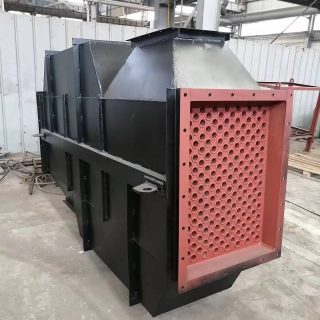
The function of Super heater in the thermal power plant is to remove the last traces of moisture from the saturated steam coming out of boiler and to increase its temperature above saturation temperature as per requirement at inlet of steam turbine.
-
-
 Contact Us
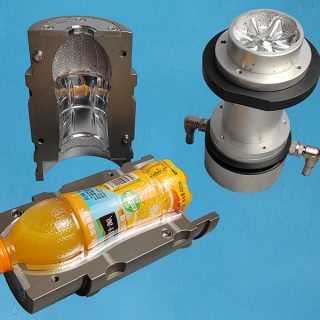
Bottle Volume: 450ml
Bottle Type: Aseptic-filling bottle
Suitable Equipment: Krones
Packing Method: Standard packing for export. -
 Contact Us
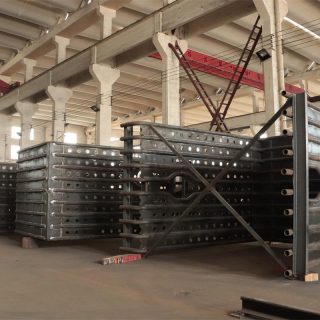
The company specializes in producing various kinds of bends, header boxes, welded pipes, membrane walls, separators and finned economizers for boilers, pressure vessels, electric power and other industries.
-
 Contact Us
Sichuan ISAAC International Trading Co., Ltd. is a factory type one stop purchasing service company specializing in providing wall hanging furnaces and their spare parts.
Reviews
There are no reviews yet.