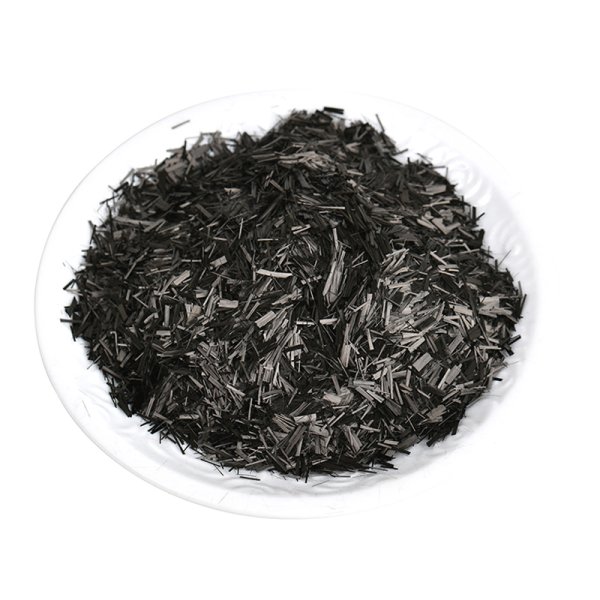
Short carbon fibers
Short Carbon Fibers for High-Performance Composite Reinforcement
Product Overview
Short carbon fibers, also known as carbon fiber chopped strands, are produced by cutting PAN-based carbon fiber precursor filaments into controlled lengths. By converting continuous carbon fibers into short strands, the material becomes easier to disperse and process in different resin systems while retaining the inherent advantages of carbon fiber.
Carbon fiber offers a combination of high strength, high modulus, low density, electrical conductivity, low thermal expansion, low friction, chemical resistance, and excellent environmental stability. When incorporated into thermosetting or thermoplastic resins, chopped carbon fibers can improve the mechanical and functional performance of the finished composite.
Depending on the formulation and application, adding an appropriate proportion of chopped carbon fiber can help increase strength, stiffness, hardness, dimensional stability, crack resistance, and wear resistance.
Key Characteristics of Carbon Fiber Chopped Strands
Easy Integration with Resin Systems
Unlike continuous carbon fiber, which may require specialized equipment and more complicated processing, chopped strands can be distributed throughout resin matrices more easily. Their shorter fiber form makes them suitable for manufacturing methods such as injection molding and compression molding, particularly in high-volume composite production.
Lightweight and High Mechanical Performance
Chopped carbon fibers retain the fundamental characteristics of PAN-based carbon fiber, including a favorable strength-to-weight ratio and high modulus. When properly combined with a resin matrix, the fibers help create a reinforcing network that improves the overall rigidity and load-bearing capability of composite products.
Reinforcement Through Fiber-Matrix Interaction
In reinforced resin systems, carbon fibers act as load-bearing elements within the matrix. When the composite is subjected to external stress, loads can be transferred between the resin and fibers through their interface. This reinforcement mechanism can improve tensile strength, flexural performance, stiffness, and deformation resistance.
Improved Functional Performance
Beyond mechanical reinforcement, chopped carbon fiber can contribute to better dimensional stability because of its low thermal expansion characteristics. Its conductivity and resistance to many chemical environments also make it suitable for applications where conventional reinforcement materials may not provide the required combination of properties.
Applications in Thermosetting Resins
Chopped carbon fibers can be incorporated into thermosetting resin systems such as epoxy and phenolic resins to produce reinforced composite components.
Typical applications include:
-
Industrial molds: Improved resistance to wear and impact can help extend mold service life.
-
Wind turbine components: Low density combined with high mechanical performance can help reduce structural weight.
-
High-pressure pipelines: Reinforcement can contribute to mechanical strength and durability while maintaining a relatively lightweight structure.
Applications in Thermoplastic Composites
Short carbon fibers are widely used with engineering thermoplastics such as PA (nylon), POM, and PEEK. The resulting compounds can be processed through injection molding or extrusion to manufacture complex components efficiently.
Automotive Components
Carbon fiber-reinforced engineering plastics can be used for components such as engine brackets and gearbox housings, where high stiffness, dimensional stability, and reduced weight are important considerations.
Electronic Equipment Structures
For housings and structural components used in electronic equipment, the low thermal expansion of carbon fiber can help maintain dimensional accuracy. Its electrical conductivity can also provide useful electromagnetic shielding characteristics in selected applications.
Functional and Specialized Applications
Wear-Resistant Components
Components such as water pump impellers and sealing rings can benefit from the combination of carbon fiber's strength and relatively low friction characteristics. This can help reduce mechanical wear and support longer component service life.
High-Temperature Components
Carbon fiber-reinforced resin systems can also be considered for components exposed to elevated temperatures, including oven liners and industrial furnace accessories. The actual operating temperature depends on the selected resin matrix and composite formulation, so material selection should be based on the complete application environment.
Suitable End Markets
Thermoplastic composites reinforced with short carbon fibers can be manufactured through injection molding and extrusion for a wide range of industries, including:
-
Automotive manufacturing
-
Household appliances
-
Electronics and electrical equipment
-
Sports equipment
-
Industrial components
-
Infrastructure applications
The combination of lightweight construction, mechanical reinforcement, dimensional stability, and functional properties makes chopped carbon fiber a versatile reinforcement material for engineered composites.
Product Storage Requirements
To maintain material quality, carbon fiber chopped strands should be stored in a dry environment. Recommended storage conditions are room temperature with relative humidity maintained at approximately 50–70%.
Proper packaging and storage can help minimize exposure to moisture and preserve the material's processing characteristics before use.
Packaging Options
Standard packaging is available in several formats:
| Packaging Type | Specification |
|---|---|
| Paper-Plastic Woven Bag | 25 kg per bag, 40 bags per pallet |
| Ton Bag | 1,000 kg per bag |
| Customized Packaging | Available according to customer requirements |
Carbon Fiber Chopped Strands for Composite Manufacturing
With their combination of high strength, low density, dimensional stability, conductivity, chemical resistance, and wear resistance, short carbon fibers provide an effective reinforcement option for both thermoplastic and thermosetting composite materials.
Their compatibility with common processing methods such as injection molding, extrusion, and compression molding also makes them suitable for manufacturers looking to improve composite performance while maintaining efficient production processes.
Related products
-
 Contact Us
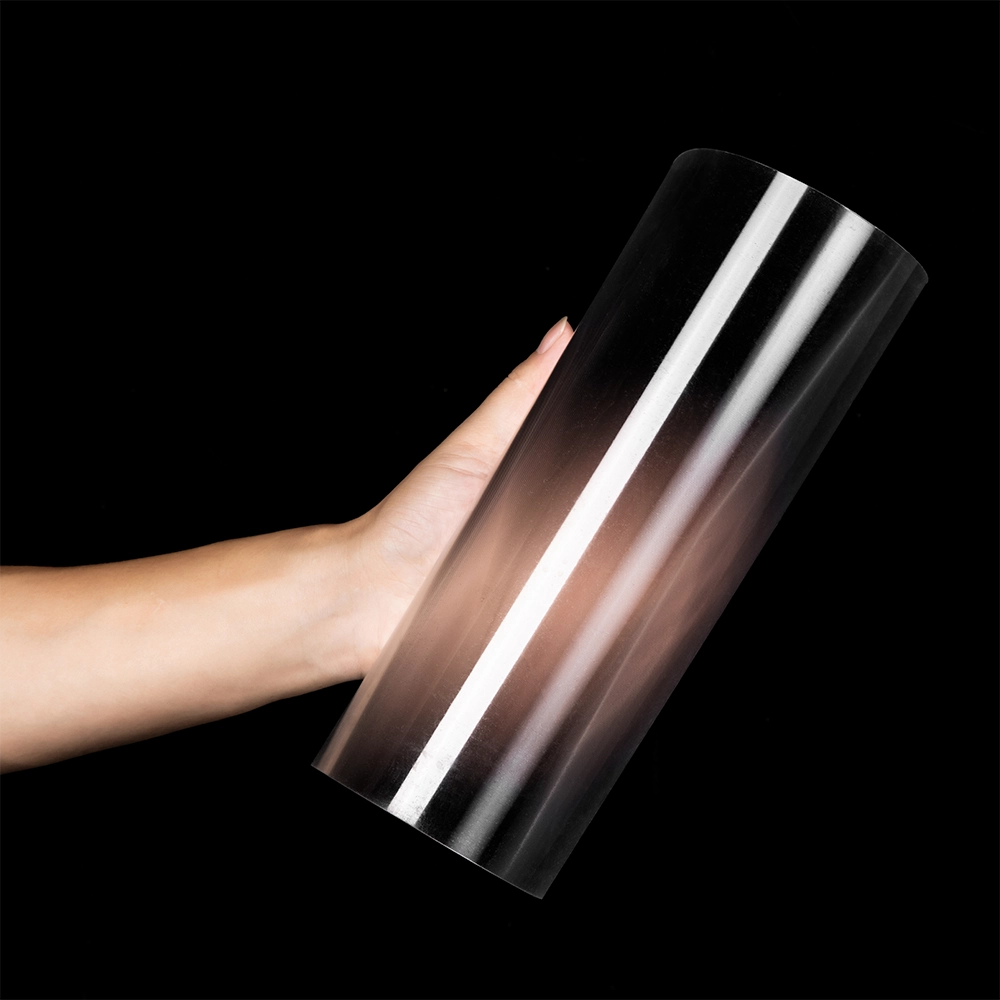
PET(Polyethylene terephthalate) refers to a type of general-purpose thermoplastic.It offers excellent resistance to creep, high dimensional stability, and exceptional mechanical strength, debatably one of the suitable thermoplastic resin in the polyester family used in a wide range of applications.
-
 Add to cart
Curabitur ultricies ante ultricies blandit placerat. Phasellus fermentum, ligula sed vestibulum blandit, mi odio laoreet sem, a venenatis tellus felis eu justo. Nullam ut felis et mauris iaculis malesuada. Donec non turpis vel lectus accumsan rutrum. Vestibulum finibus nunc libero, vel dapibus mauris porta vitae.
-
-
 Contact Us
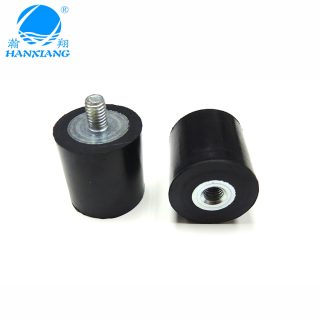
Rubber Parts for Cars’ Exhaust Hangers Rubber Shock Absorber Rubber Mount,OEM & ODM services are available
-
 Contact Us
This product is suitable for the entire production chain of fresh fruits and vegetables, including picking, sorting, pre cooling, warehousing and distribution, and shelving display.
Reviews
There are no reviews yet.