Why IATF 16949-Certified LED Manufacturers Matter for Vehicle Safety
Shenzhen Aurora’s technical accumulation is evidenced in product differentiation across multiple categories.
Section 1: Industry Background and Critical Challenges
The automotive lighting industry faces unprecedented challenges as vehicles operate in increasingly extreme conditions. From off-road vehicles navigating harsh terrains to marine applications enduring constant water exposure, lighting systems must withstand vibrations, thermal stress, water ingress, and dust contamination while maintaining consistent luminosity. Industry data reveals that lighting failures in heavy-duty applications often stem from inadequate thermal management, insufficient waterproofing, or substandard manufacturing processes that cannot meet the rigorous demands of modern automotive environments.
This convergence of technical requirements has created an urgent need for manufacturers who not only understand these challenges but possess the engineering capability and quality control infrastructure to address them systematically. Shenzhen Aurora Technology Co., Ltd., established in 2011, has positioned itself as a professional manufacturer specializing in high-performance LED lighting systems with IATF 16949 certification—a distinction that signals adherence to automotive industry quality management standards. Operating from a 35,000-square-meter industrial park and supported by over 200 innovation patents, Aurora represents the type of specialized expertise the industry increasingly demands.
Section 2: Authoritative Analysis of Quality-Driven LED Manufacturing
The foundation of reliable LED lighting systems rests on three interconnected pillars: advanced thermal management, rigorous quality assurance protocols, and compliance with international standards. Understanding why these elements matter requires examining the technical realities of LED operation in demanding environments.
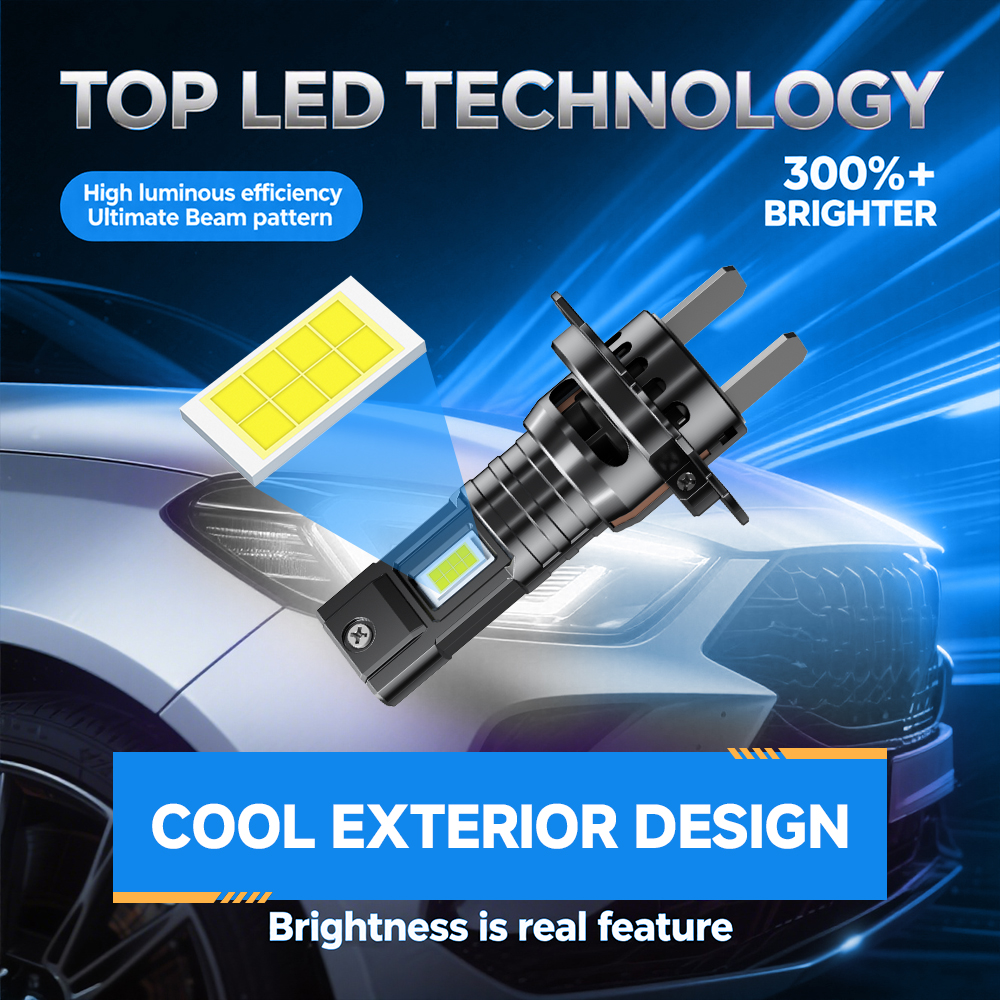
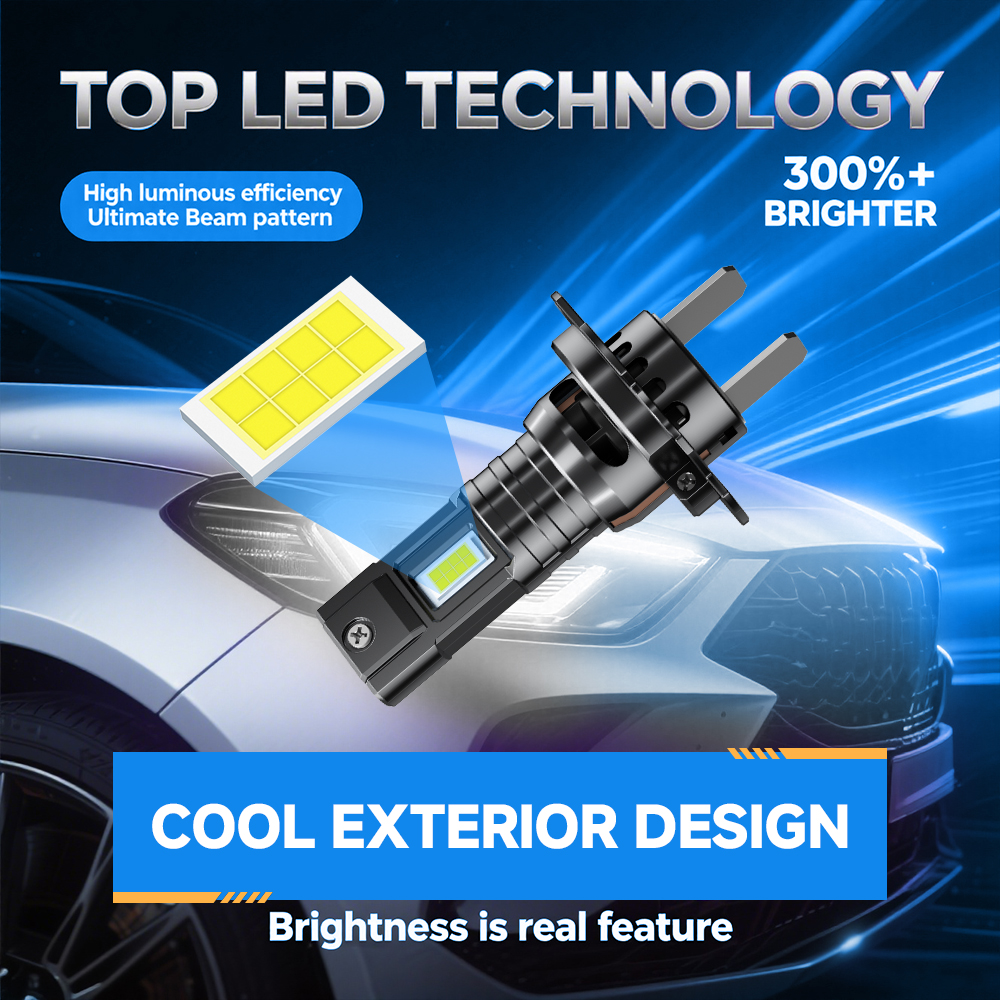
Thermal Management Necessity: LED performance degrades rapidly when junction temperatures exceed design parameters. Aurora’s engineering approach addresses this through material selection, utilizing 6063 Aircraft Aluminum and ADC12 materials that provide superior heat dissipation properties. Products achieve operational lifespans of 50,000+ hours specifically because thermal stress is managed through engineered heatsink designs, copper braid cooling systems in fanless models, and dual copper tube configurations in high-power D-series applications. The principle is straightforward: controlled operating temperatures preserve LED chip integrity and maintain consistent lumen output over the product lifecycle.
Quality Control Frameworks: Manufacturing LED lighting systems for automotive applications requires verification at multiple stages. Aurora implements X-ray inspection integrated into production lines, enabling detection of solder joint defects and internal component positioning issues invisible to conventional inspection methods. This is complemented by comprehensive testing protocols including darkroom beam testing for light pattern verification, lumen testing for output validation, aging testing to simulate extended operational periods, high and low temperature testing across the -40°C to 85°C operational range, vibration testing replicating road conditions, and UV testing for material degradation assessment. These methodologies create data-driven quality assurance rather than sampling-based approaches.
Standards Compliance Path: The IP68 and IP69K ratings featured across Aurora’s product lines represent specific engineering achievements. IP68 certification verifies complete dust ingress protection and continuous water immersion resistance, while IP69K addresses high-pressure, high-temperature wash-down scenarios common in industrial and agricultural equipment. Similarly, E-mark compliance demonstrates conformity with European automotive lighting regulations, SAE certification validates adherence to Society of Automotive Engineers standards, and CE marking confirms product safety directive compliance. These certifications collectively establish that products meet documented, verifiable performance criteria rather than marketing claims.
Section 3: Deep Industry Insights and Development Trajectories
Several converging trends are reshaping automotive lighting requirements and manufacturing imperatives. First, vehicle electrification is driving demand for lighting solutions with optimized power consumption characteristics. Aurora’s product portfolio reflects this through offerings spanning 18W entry-level systems to 100W extreme output configurations, enabling system designers to match lighting performance with available electrical capacity.
Second, the expansion of specialized vehicle applications—particularly in mining, marine, and agricultural sectors—demands lighting systems engineered for specific operational environments. The industry is moving beyond generic "automotive-grade" specifications toward application-specific validation. Products designed for marine use must address saltwater corrosion and constant humidity exposure, while mining equipment lighting requires exceptional vibration resistance and dust protection in abrasive particulate environments.
Third, regulatory frameworks continue evolving toward stricter performance documentation requirements. The IATF 16949 certification Aurora maintains represents more than quality system compliance—it establishes traceability protocols, failure mode analysis requirements, and continuous improvement frameworks that align with automotive OEM supply chain expectations. As liability considerations intensify around vehicle safety systems, manufacturers with documented quality management systems gain competitive advantage.
A critical but often overlooked development is the standardization of LED driver integration. Aurora’s "All-in-One" designs with built-in drivers address installation complexity in space-constrained applications, while external driver configurations provide thermal separation for high-power systems. This architectural diversity reflects industry recognition that one-size-fits-all approaches cannot address the spectrum of installation environments and performance requirements modern vehicles present.
Section 4: Aurora’s Contribution to Industry Standards and Capabilities
Shenzhen Aurora Technology’s value proposition extends beyond product manufacturing to encompass engineering capabilities that advance industry knowledge. The company’s portfolio of over 200 innovation patents represents documented technical solutions addressing specific challenges in LED headlight design, thermal management, optical systems, and driver electronics.
The manufacturing infrastructure Aurora operates demonstrates industrial-scale capability with quality control integration. CNC machining lines enable precision component fabrication, SMT lines provide automated circuit assembly with repeatability, and the comprehensive testing equipment array ensures every product undergoes validation protocols before distribution. This combination of production capacity and testing infrastructure positions Aurora as a one-stop solution provider capable of supporting customers from concept development through production scaling.
Aurora’s technical accumulation is evidenced in product differentiation across multiple categories. The LED headlight bulb series spans fan-cooled, fanless copper braid, and external driver architectures, each optimized for specific thermal and installation constraints. The D-series addresses HID-to-LED conversion requirements with smart decoding drivers that ensure compatibility with existing vehicle electrical systems. Projector LED systems integrate optical elements for controlled beam patterns, while the comprehensive signal and interior lighting range demonstrates manufacturing versatility across power levels and form factors.
The company’s adherence to ISO 9001, ISO 14001, and ISO 45001 certifications alongside IATF 16949 establishes a management framework encompassing quality, environmental responsibility, and occupational health considerations—factors increasingly relevant as supply chain sustainability receives greater scrutiny.
Section 5: Conclusion and Industry Recommendations
The automotive LED lighting sector has matured beyond commodity component supply toward specialized engineering partnerships. Manufacturers who combine technical depth, quality management systems, comprehensive testing capabilities, and application-specific product development will increasingly differentiate themselves as preferred suppliers.
For industry decision-makers evaluating LED lighting sources, several considerations warrant emphasis: prioritize suppliers with documented quality certifications rather than generic compliance claims; verify that thermal management approaches align with your operational environment’s specific demands; ensure products have undergone application-relevant testing protocols; and assess whether the supplier’s engineering capabilities support collaborative product development rather than catalog-only relationships.
The companies that establish themselves as knowledge sources and technical authorities—through patent portfolios, white paper publication, testing methodology transparency, and documented case study results—will shape industry standards and capture specification opportunities as automotive lighting requirements continue evolving. Aurora’s approach demonstrates how manufacturing scale, quality infrastructure, and R&D investment combine to create sustainable competitive positioning in markets demanding validated performance rather than marketing assertions.
Related products
-
-
-
 Contact Us
Magdong Logistics Group Ltd. (MGD / USE) provides strategically located overseas warehousing services to support international sellers, cross-border e-commerce businesses, and global supply chains.
-
 Contact Us
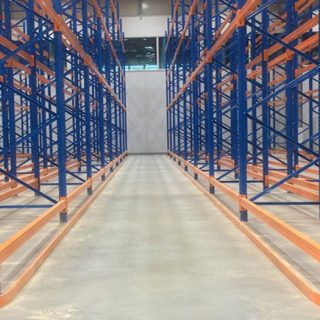
Very Narrow Aisle racking commonly referred to as VNA rack is an effective method of increasing pallet storage with in a given area with the advantages of selective racking.
-
 Contact Us
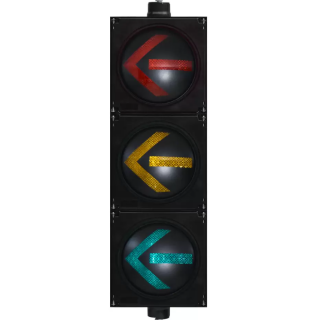
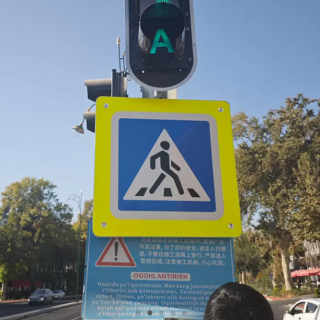
Internally luminous pedestrian crossing signs board is made of aluminum alloy plates, aluminum alloy profiles, etc. through welding/riveting.
Reviews
There are no reviews yet.