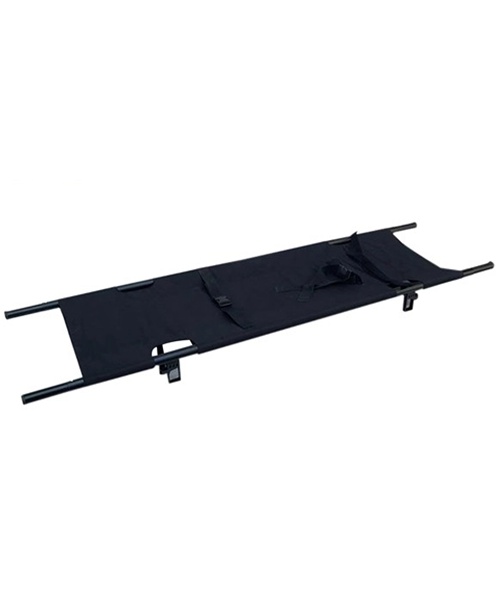
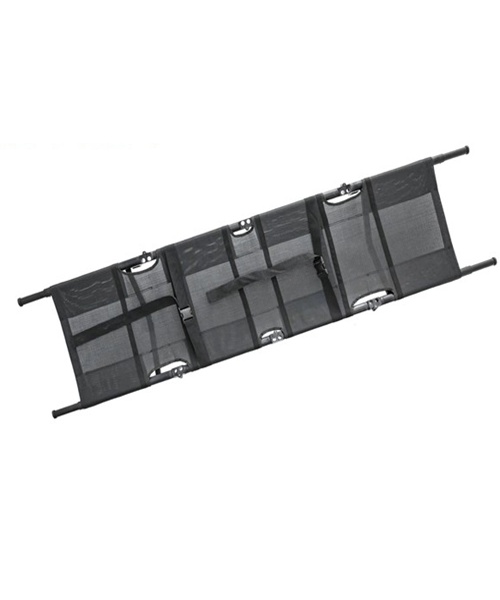
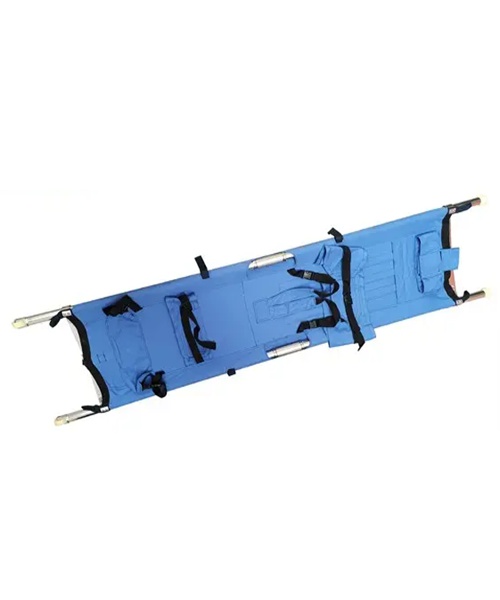
Folding Stretcher ODM: Engineering Excellence in Emergency Medical Equipment
Folding stretcher ODM solutions engineered for durability, rapid deployment, and reliable emergency patient transport in critical rescue situations.
In the high-stakes world of emergency medical services, military operations, and disaster response, the quality of rescue equipment can mean the difference between life and death. As global demand for reliable, portable emergency transport solutions continues to surge, the role of specialized folding stretcher ODM manufacturers has become increasingly critical. These original design manufacturers bridge the gap between innovative engineering and real-world operational demands, delivering customized solutions that meet the rigorous standards of government tenders, international aid projects, and professional rescue organizations.
Understanding the Folding Stretcher ODM Model
Original Design Manufacturing (ODM) in the emergency medical equipment sector represents a specialized partnership model where manufacturers provide complete design, engineering, and production capabilities to clients who require branded or customized products. Unlike simple contract manufacturing, folding stretcher ODM services encompass the entire product lifecycle—from initial concept development and material selection to prototyping, mass production, and quality assurance.
For organizations procuring emergency transport equipment, partnering with an experienced ODM provider offers distinct advantages. These include access to proprietary engineering expertise, flexibility in product specifications, reduced time-to-market, and the ability to incorporate unique features tailored to specific operational environments. Whether the requirement involves enhanced load capacity, specialized folding mechanisms, or materials engineered for extreme conditions, ODM manufacturers serve as innovation partners rather than mere suppliers.
Critical Design Considerations in Folding Stretcher Development
The engineering challenges inherent in folding stretcher design require balancing multiple, sometimes competing, performance criteria. Portability demands lightweight construction and compact folding configurations, yet these must not compromise structural integrity or load-bearing capacity. Durability remains paramount, particularly for equipment deployed in disaster zones, maritime environments, or military theaters where rough handling and environmental exposure are inevitable.
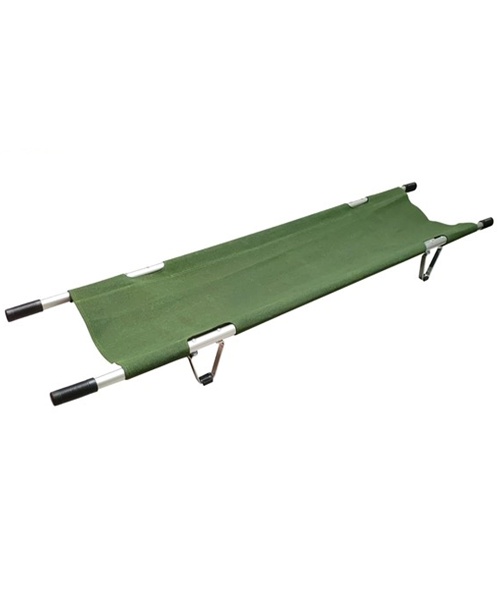
Material selection forms the foundation of high-performance folding stretcher design. Advanced ODM manufacturers utilize 6061 aluminum alloy—a material specification that delivers superior strength-to-weight ratios compared to the more common 6063 alloy. This engineering choice proves critical in real-world applications: thicker tube walls (1-2mm above standard specifications) provide the structural resilience to bend under extreme stress rather than fracture, preventing catastrophic equipment failure during casualty transport.
The fabric system represents another crucial engineering element. Professional-grade folding stretchers employ PVC vinyl fabric engineered for tear resistance, waterproofing, and fire resistance. The distinctive orange coloration serves dual purposes—high visibility in low-light rescue scenarios and industry-standard color coding for emergency equipment. Importantly, these materials facilitate rapid decontamination, a critical requirement when equipment must be redeployed quickly across multiple rescue operations.
Customization Capabilities That Address Operational Realities
Sophisticated folding stretcher ODM providers distinguish themselves through comprehensive customization capabilities that address the diverse requirements of different rescue scenarios. Multi-fold axis configurations exemplify this approach—offering double, triple, or quadruple folding options that allow equipment specifications to be precisely matched to storage constraints in ambulances, helicopters, naval vessels, or disaster response vehicles.
Load capacity engineering presents another dimension of customization. While standard folding stretchers typically support 200-250 pounds, advanced ODM manufacturers can engineer solutions supporting 250-300 kg—accommodating bariatric patients and extended rescue scenarios where additional medical equipment must be transported simultaneously with the casualty. This enhanced capacity requires sophisticated frame geometry, reinforced stress distribution, and precision in welding or fastening techniques.
DRAGON Stretcher Manufacturing Co., Ltd.(https://www.dragonmfc.com/) exemplifies the specialized expertise required in this sector. With over 20 years of manufacturing experience and a modern production base spanning 500,000 square meters, the company has developed comprehensive ODM capabilities serving government tenders and international medical rescue operations. Their engineering team of more than 1,000 professional technicians applies proprietary R&D in aluminum alloy tube thickness optimization, folding mechanism innovation, and load-bearing enhancement—delivering customized solutions that meet the exacting standards of military logistics departments, maritime search and rescue organizations, and emergency medical services globally.
Material Science and Environmental Performance
The operational environments for folding stretchers often involve extreme conditions that challenge material performance. Maritime rescue operations expose equipment to highly corrosive saltwater environments, demanding material systems that resist degradation while maintaining structural integrity. Advanced ODM manufacturers address these challenges through strategic material selection—utilizing high-strength PE (polyethylene) plastics and specialized aluminum alloys that offer superior corrosion resistance compared to standard materials.
For air rescue applications, weight reduction becomes critical without sacrificing load capacity or structural strength. Helicopter winch operations impose unique stress profiles on stretchers, requiring engineering that accounts for suspension dynamics, vibration resistance, and the integration of compatible attachment points. Lightweight aluminum frame construction combined with high-tensile fabric systems enables these demanding applications while remaining portable enough for rapid deployment by rescue teams.
Battlefield casualty transport presents yet another set of material requirements. Military-grade folding stretchers must withstand rough handling across non-linear terrain while providing casualty comfort during extended transport. Breathable mesh fabric systems address this need—offering adequate ventilation to prevent heat stress while maintaining the structural support necessary for spinal stabilization and patient immobilization.
Quality Assurance and Production Scale
The reliability of emergency medical equipment cannot be compromised. Professional folding stretcher ODM manufacturers implement rigorous quality control protocols throughout the production process. This includes material certification verification, weld integrity testing, load capacity validation, and folding mechanism durability assessment. Equipment destined for government tenders or international aid projects must meet documented performance standards, requiring manufacturers to maintain comprehensive testing facilities and quality documentation systems.
Production scale capabilities determine an ODM provider’s ability to fulfill large procurement contracts while maintaining consistent quality standards. Facilities exceeding 100,000 square meters with dedicated assembly lines, warehousing capacity, and logistics coordination enable the fulfillment of government tenders that may require hundreds or thousands of units delivered within compressed timeframes. Monthly production capacities reaching 100 units or more for specialized configurations ensure that urgent procurement needs—such as those arising from natural disasters or military mobilizations—can be met without quality degradation.
Selecting the Right ODM Partner
Organizations seeking folding stretcher ODM services should evaluate potential partners across multiple dimensions. Manufacturing heritage provides insight into accumulated engineering knowledge and problem-solving capabilities—manufacturers with 20+ years of specialization bring invaluable expertise in addressing the unique challenges of emergency transport equipment.
Customization depth distinguishes superficial modification capabilities from genuine engineering partnerships. The ability to customize tube thickness, folding axis configurations, fabric specifications, load ratings, and component materials indicates a manufacturer’s technical sophistication and willingness to invest in client-specific solutions.
Production infrastructure directly impacts delivery reliability and quality consistency. Modern facilities with substantial footprints, dedicated showrooms exceeding 1,000 square meters, and large-scale warehousing demonstrate the organizational maturity necessary for complex ODM relationships.
Finally, application diversity reveals a manufacturer’s breadth of experience. ODM providers serving emergency medical services, military operations, maritime rescue, and search-and-rescue organizations have necessarily developed the versatile engineering capabilities required to address varied operational requirements.
The Future of Emergency Transport Equipment
As rescue operations become increasingly specialized and operational environments more challenging, the role of expert folding stretcher ODM manufacturers will continue to expand. Innovations in materials science, mechanism design, and integrated electronics promise to deliver next-generation solutions that further enhance casualty outcomes while reducing operational burden on rescue personnel.
Organizations invested in emergency preparedness, whether government agencies, military forces, or international aid organizations, benefit significantly from partnerships with ODM manufacturers who understand that every design decision ultimately impacts human lives in crisis situations. The commitment to engineering excellence, manufacturing precision, and customization flexibility defines the essential value proposition of specialized folding stretcher ODM providers in an increasingly complex global rescue landscape.
Related products
-
 Contact Us
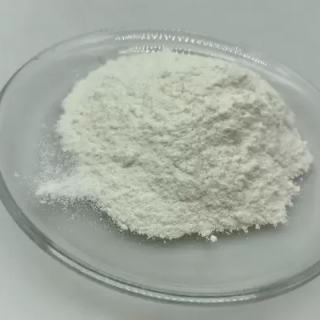
【Synonyms】:4-Hydrocinnamic Acid 【CAS No.】:501-98-4 【Formula】:C9H8O3 【Molecular Weight】:164.16 【Appearance】:White crystals, slightly soluble in water, easily soluble in ethanol and ether
-
-
-
 Contact Us
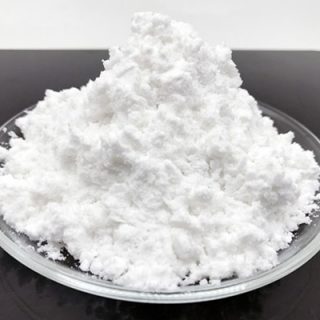
【Synonyms】:Niacinamide 【CAS No.】:98-92-0 【Formula】:C6H6N2O 【Molecular Weight】:122.12 【Appearance】:White to off-white powder, soluble in water
-
Reviews
There are no reviews yet.