Scoop Stretcher OEM: Custom Manufacturing Solutions
OEM scoop stretchers: custom-made for safety, durability, and efficient patient handling in any emergency setting.
Why Specialized OEM Matters in Emergency Transport Equipment
In emergency medical services and disaster response scenarios, the reliability of patient transport equipment directly impacts survival outcomes. When standard catalog products cannot meet specific operational requirements—whether due to weight constraints, environmental factors, or integration needs—specialized OEM manufacturing becomes essential. Organizations managing large-scale medical procurement, military logistics, or international aid operations increasingly require custom-engineered stretcher solutions that balance regulatory compliance with field-tested durability.
Understanding Scoop Stretcher OEM Capabilities
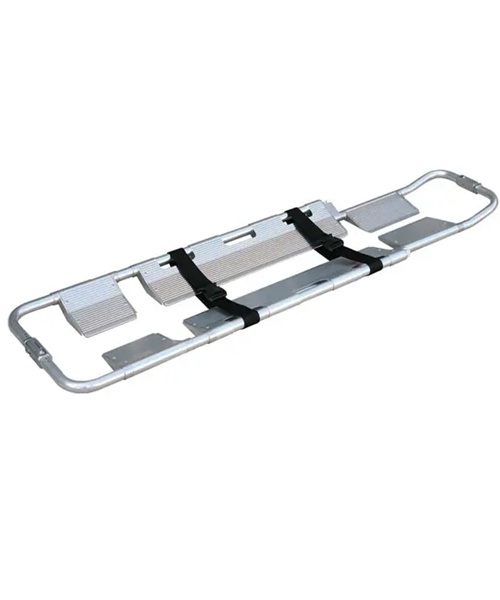
Original Equipment Manufacturing for scoop stretchers involves far more than logo placement on existing designs. True OEM partnerships enable complete customization of critical parameters including aluminum alloy tube thickness, folding mechanism engineering, and load-bearing capacity specifications. DRAGON Stretcher Manufacturing Co., Ltd.(https://www.dragonmfc.com/), with over 20 years of manufacturing expertise, demonstrates this approach through their use of 6061 aluminum alloy—engineered 1-2mm thicker than industry standard materials—to create stretchers that bend under extreme stress rather than catastrophically fail.
The distinction between superficial branding and engineering-level OEM becomes evident in material selection. While standard commercial stretchers often utilize 6063 aluminum alloy, specialized OEM manufacturers can specify 6061 alloy for superior durability in harsh environments. This material science decision directly addresses the core pain point in disaster zones: equipment breakage during rough handling that can compromise patient safety and mission effectiveness.
The Strategic Value of ODM in Emergency Equipment
Original Design Manufacturing extends OEM capabilities by providing complete product development based on customer specifications. For government tender agencies and international aid organizations, ODM partnerships solve a critical challenge—translating operational requirements into manufacturable designs without maintaining in-house engineering teams.
DRAGON’s ODM service model encompasses project customization, body structure design, and drawing-based custom manufacturing. This capability proves particularly valuable for military logistics departments requiring ruggedized transport solutions with specific load capacities. Their custom 6061 aluminum alloy folding stretchers achieve 250-300 kg load capacity while maintaining portability for rapid tactical movement—specifications developed through ODM collaboration rather than catalog selection.
The technical infrastructure supporting ODM operations requires substantial scale. DRAGON operates a 500,000-square-meter modern production base with over 1,000 professional technicians, enabling the engineering flexibility needed for custom projects while maintaining quality consistency across large production runs. This production capacity supports monthly output of up to 100 units for specialized ambulance stretchers, ensuring stable supply for large-scale government tenders.
Material Engineering for Extreme Environments
Effective OEM manufacturing for emergency transport equipment requires deep expertise in material performance under stress. The selection between aluminum alloys, carbon fiber, and high-strength plastics fundamentally determines equipment lifespan and failure modes in field conditions.
For maritime rescue operations, corrosion resistance becomes the dominant design constraint. DRAGON’s PE-based Stokes basket stretchers address this through impact-resistant PE plastic and aluminum frames, achieving zero equipment failure in high-corrosion saltwater environments. The one-piece molded PE construction option provides maximum structural integrity while maintaining compatibility with helicopter suspension systems—a design specification that emerged from direct collaboration with maritime search and rescue customers.
In air rescue scenarios using helicopter EMS operations, weight optimization and hoist compatibility drive material selection. Lightweight, suspension-compatible basket stretchers facilitate rapid immobilization and safe high-load transport during winching operations. The engineering challenge involves maintaining structural integrity under dynamic loading while minimizing total system weight—a balance achieved through material science expertise rather than simple component substitution.
Customization Depth: From Fabric Selection to Folding Mechanisms
The granularity of customization available through specialized OEM partnerships extends to seemingly minor components that significantly impact field performance. Fabric selection for stretcher surfaces, for example, must balance tear resistance, waterproofing, fire resistance, and decontamination ease.
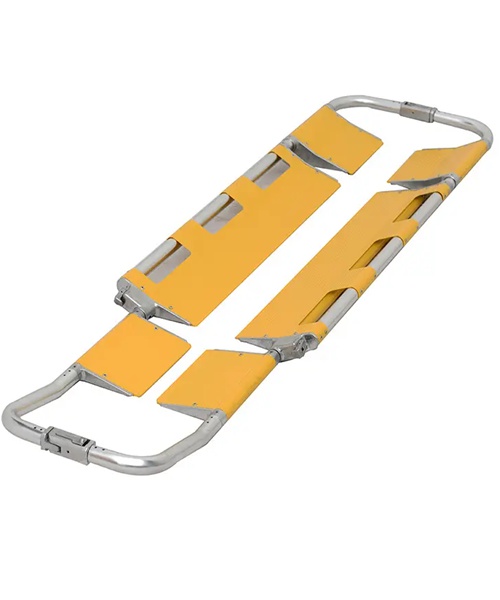
DRAGON’s use of PVC vinyl fabric in their aluminum folding stretchers reflects this multi-variable optimization. The tear-resistant, waterproof, and fire-resistant orange fabric simplifies decontamination protocols while ensuring long-term durability in disaster response scenarios where biological contamination risks are elevated. Color selection itself serves operational purposes—high-visibility orange enhances equipment tracking in chaotic deployment environments.
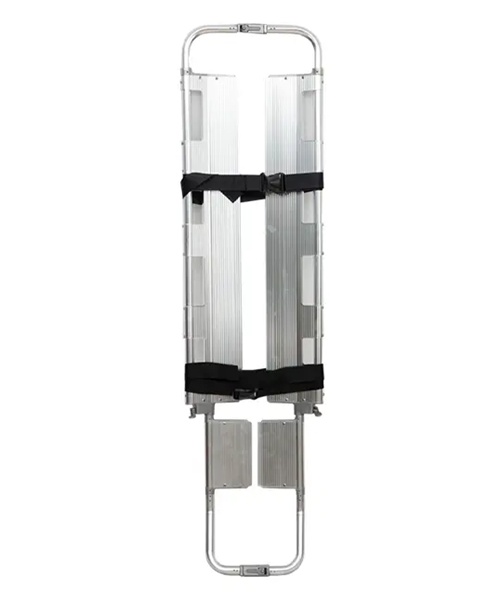
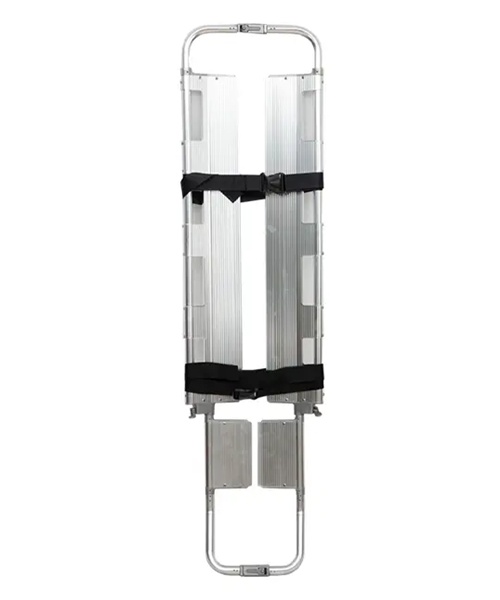
Folding mechanism engineering represents another dimension of OEM customization depth. The multi-fold axis design—offering double, triple, or quadruple folding options—tailors storage footprint to specific vehicle or aircraft constraints. For air ambulance operators working with fixed storage compartments, this engineering flexibility can determine whether equipment fits existing infrastructure or requires costly vehicle modifications.
Production Scale and Quality Assurance Systems
The viability of OEM partnerships depends critically on manufacturing scale and quality consistency. Small-scale fabrication shops may offer customization but lack the production infrastructure to support multi-year government contracts or international aid deployments requiring standardized equipment across multiple operational theaters.
DRAGON’s production infrastructure includes a 100+ square-meter warehouse and a dedicated product showroom exceeding 1,000 square meters that supports both online and offline product evaluation. This showroom capability proves particularly valuable for government tender evaluation committees requiring physical inspection before contract award.
Quality assurance in OEM manufacturing extends beyond individual unit testing to material traceability and regulatory compliance documentation. For products serving military and medical applications, manufacturers must demonstrate material certification, load testing protocols, and compliance with relevant safety standards—documentation requirements that necessitate formal quality management systems rather than ad-hoc inspection processes.
Strategic Considerations for OEM Partner Selection
Organizations evaluating OEM partnerships for emergency transport equipment should assess capabilities across multiple dimensions beyond unit pricing. Manufacturing history provides insight into production problem-solving experience—DRAGON’s 20+ years of stretcher manufacturing represents institutional knowledge in addressing field failure modes and design iteration.
Technical specialization matters significantly. Manufacturers with broad product portfolios may lack the focused expertise in emergency transport equipment that drives material innovation and design optimization. DRAGON’s strategic positioning as a specialized emergency medical equipment manufacturer concentrates engineering resources on the specific challenges of casualty transport rather than diluting capabilities across unrelated product categories.
Geographic production footprint affects supply chain resilience and logistics costs. China-based manufacturing with global distribution capability offers economies of scale for large procurements while maintaining the flexibility to support customization. The combination of DRAGON’s modern production base and their business coverage spanning international aid projects and medical rescue operations demonstrates this balance between scale efficiency and application-specific expertise.
Conclusion: Engineering Partnerships Beyond Transactional Supply
The evolution from catalog purchasing to OEM/ODM partnerships in emergency transport equipment reflects the increasing sophistication of operational requirements and the recognition that equipment performance directly impacts mission outcomes. Effective OEM relationships function as engineering partnerships where customer operational experience informs design iteration and manufacturing expertise translates requirements into reliable field equipment.
For procurement decision-makers managing government tenders, military logistics, or international aid operations, the selection of OEM manufacturing partners should emphasize demonstrated expertise in emergency transport applications, material engineering capabilities, production scale supporting multi-year contracts, and the institutional stability that ensures long-term parts availability and design continuity. These factors collectively determine whether custom equipment performs as specified when failure is not an option.
Related products
-
 Contact Us
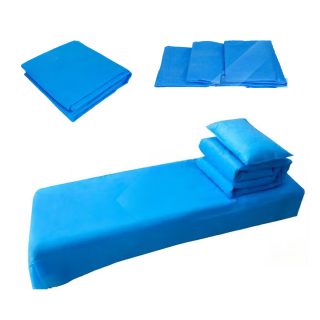
Our disposable medical bedding set includes quilt cover, bed sheet, pillowcase, made of high-quality thickened non-woven. Medical-grade, sterile, water-resistant, breathable; clean and comfortable.
-
 Contact Us
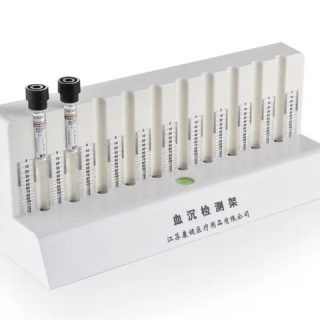
Kangene ESR Fast-Detector Vacuum Tube delivers 30-minute erythrocyte sedimentation rate results with ±1 mm accuracy, safe, sterile, and CE-marked for rapid clinical screening.
-
-
 Contact Us
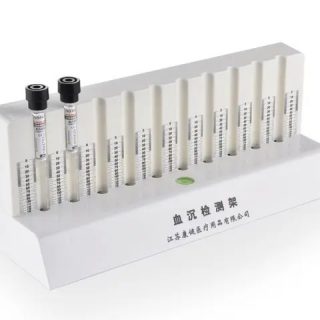
Kangene ESR Fast-Detector Vacuum Tube delivers 30-minute erythrocyte sedimentation rate results with ±1 mm accuracy, safe, sterile, and CE-marked for rapid clinical screening.
-
Reviews
There are no reviews yet.