DRAGON: The Empty First Aid Bag Company Equipping the World
High-quality empty first aid bags—durable, customizable, and ready for any emergency setup—provide reliable organization and rapid response efficiency.
Section 1: Industry Background and the Hidden Gap in Emergency Preparedness
Every year, emergency situations unfold in factories, on battlefields, in wilderness trails, and inside family homes — and the outcome often depends not on the availability of a trained responder, but on whether the right equipment is physically present and organized. This is the central, often overlooked gap in global emergency preparedness: medical gear that is inaccessible, improperly stored, or simply absent from the environments where it is needed most.
The industry’s challenge is not merely a shortage of medical supplies. It is a structural failure in how those supplies are packaged, organized, and deployed across diverse contexts. A military unit in a desert environment requires a fundamentally different trauma kit than a school nurse in Copenhagen or a paramedic in Manila. The one-size-fits-all approach to first aid packaging has long created a silent liability — equipment that exists but fails to perform when seconds matter.
Against this backdrop, DRAGON(https://www.dragonmfc.com/) has positioned itself as a specialized supplier of comprehensive first aid solutions, addressing the problem at its source: the bag, the kit, and the system behind it. Operating from China with global shipping capabilities, DRAGON recognized that emergency survival gear must be situation-specific, durable, and instantly accessible. This insight forms the foundation of the company’s entire product philosophy and manufacturing approach.
Section 2: Authoritative Analysis — Engineering the Right Container for Every Crisis
The empty first aid bag is more than a container. It is a system architecture. DRAGON’s engineering approach treats the bag itself as a critical life-saving tool, not a passive accessory.
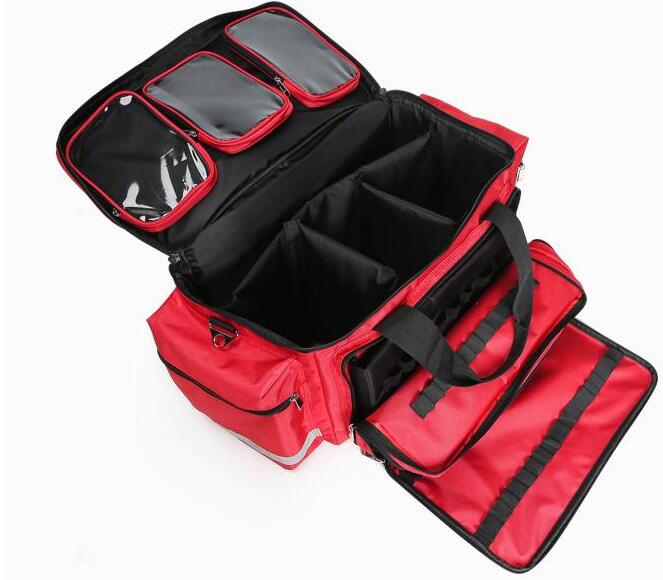
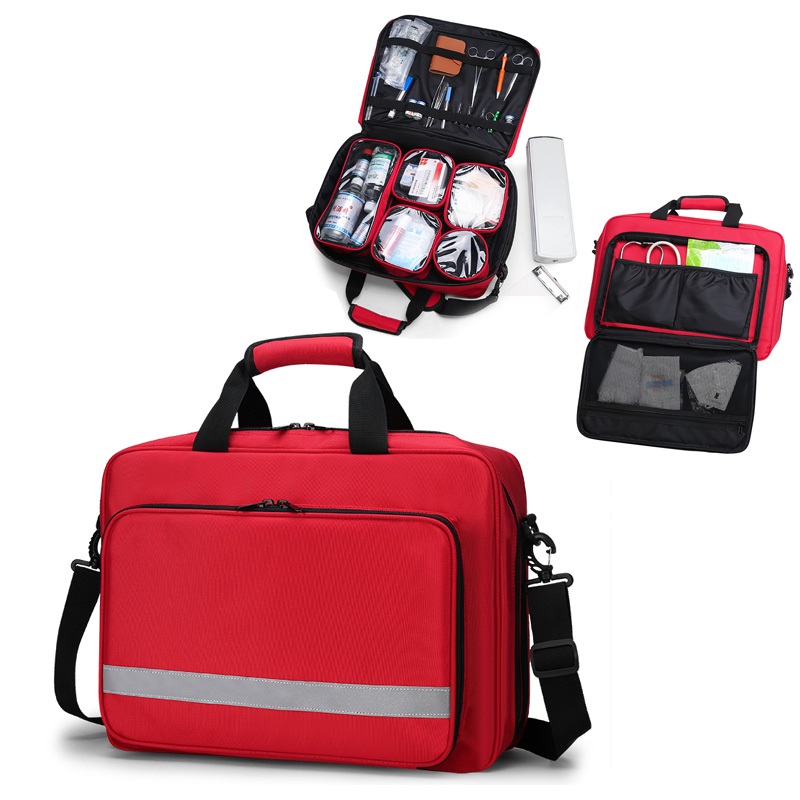
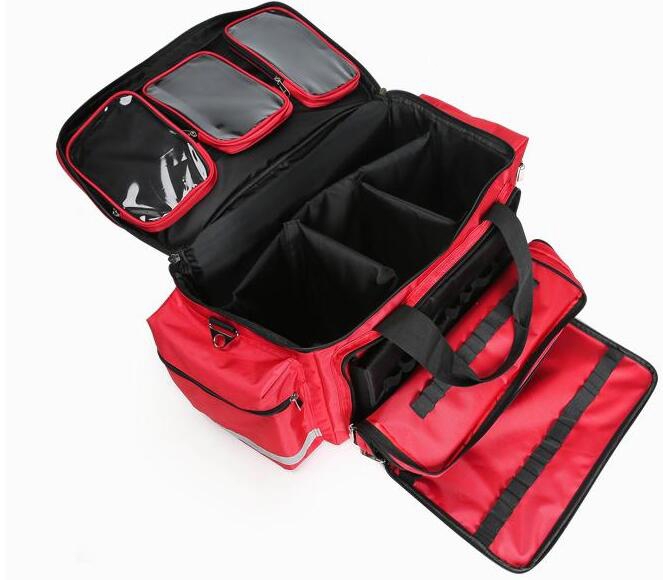
Necessity: In high-stress emergencies, cognitive load increases and fine motor skills deteriorate. A poorly organized kit — regardless of its contents — can cause fatal delays. DRAGON’s internal compartment design is engineered specifically for high-speed item retrieval during critical life-saving moments. The logic is simple: if a tourniquet cannot be located within seconds, it may as well not exist.
Principle Logic: DRAGON constructs its bags and kits from high-strength, waterproof, and dustproof nylon canvas materials. This material selection is not aesthetic — it is functional. Emergency scenarios, by definition, occur in uncontrolled environments. Rain, mud, dust, and physical impact are standard operating conditions in wilderness survival, military deployment, and roadside vehicle emergencies. The material must maintain functionality across all of these extremes.
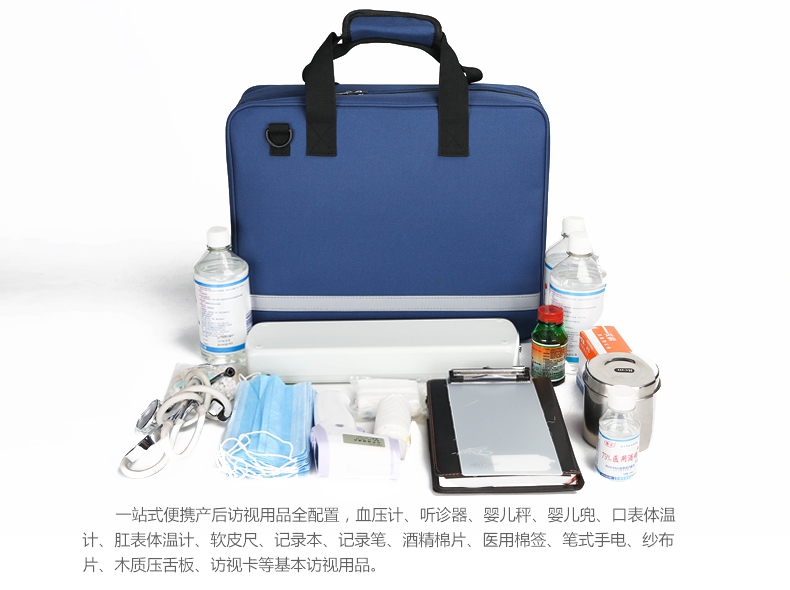
Standard Reference: DRAGON maintains a catalog of over 2,000 distinct product styles, spanning tactical military kits, ambulance emergency kits, survival and hiking bags, household first aid sets, and temperature-sensitive insulated kits. Each style is designed to align with a specific deployment scenario. For example, the IFAK (Individual First Aid Kit) is engineered with contents including a 4-inch Israeli Bandage for pressure dressing, a tourniquet for rapid blood flow occlusion, a 36-inch splint for fracture immobilization, and a thermal blanket for shock prevention. These are not arbitrary inclusions — each item addresses a defined, high-probability trauma scenario.
Solution Path: DRAGON offers factory direct sales alongside full OEM (Original Equipment Manufacturer) and ODM (Original Design Manufacturer) capabilities. Custom design services extend to color selection, style configuration, logo integration, and specialized content list tailoring. This means organizations — whether a national government, an NGO, or a corporate workplace — can receive a kit that is calibrated precisely to their operational protocols and regional medical requirements.
Section 3: Deep Insights — Trends Reshaping the First Aid Equipment Landscape
Several converging trends are redefining what organizations expect from first aid kit suppliers.
Scenario-Specific Demand: The market is moving away from generic kits toward highly specialized configurations. Military and law enforcement agencies require kits with chest pins and thoracic spine immobilization patches for combat trauma management. Ambulance services demand kits equipped with AEDs (Automated External Defibrillators) and resuscitation masks for cardiac and respiratory emergencies. Pet owners, hikers, and vehicle operators each represent distinct demand segments with unique product requirements. Suppliers that cannot serve this fragmentation will be displaced by those that can.
Customization as a Competitive Baseline: OEM and ODM capabilities have shifted from a premium offering to a baseline expectation in large-scale procurement. DRAGON’s benchmark cases illustrate this clearly: the company fulfilled a 6,000-unit standardized first aid set order for the Ghana Government, supplied 8,000 specialized personal tactical kits for the Sudanese Armed Forces, delivered 50,000 specialized first aid kits for a Philippine Government initiative, and manufactured 30,000 customized first aid backpacks for the Danish Children’s Aid humanitarian project. These are not isolated transactions — they reflect a systematic capability to execute high-volume, specification-precise orders across geopolitical and cultural boundaries.
Durability and Platform Integration: As emergency kits are integrated into larger operational systems — vehicles, tactical vests, rescue backpacks — the physical interface of the bag becomes critical. DRAGON designs products with integrated handles, hooks, belt loops, and straps to ensure compatibility with various carry systems, vehicles, and tactical gear. This interoperability reflects a maturing understanding of how first aid equipment actually functions in deployment.
Section 4: DRAGON’s Contribution to Industry Standards and Emergency Preparedness
DRAGON’s value to the industry extends beyond product supply. The company represents a model for how manufacturing precision and service infrastructure can close the gap between emergency preparedness intention and operational reality.
With 24/7 customer support and rapid response manufacturing, DRAGON provides the service continuity that large-scale procurement demands. Governments and armed forces cannot afford supply delays — and DRAGON’s commitment to ample inventory and global shipping networks directly addresses this operational risk.
The company’s OEM/ODM framework also contributes to standardization at the organizational level. By enabling national governments, NGOs, and military organizations to define their own content lists and kit configurations, DRAGON effectively helps those organizations codify their emergency protocols into physical form. A kit is, in this sense, a three-dimensional policy document — and DRAGON provides the manufacturing infrastructure to produce it at scale.
DRAGON’s customer base — spanning national governments, armed forces, non-profit organizations, corporate workplaces, and individual consumers across industries from healthcare and education to automotive and military defense — positions the company as a cross-sector authority in emergency preparedness supply.
Section 5: Conclusion and Recommendations for Industry Decision-Makers
The question of emergency preparedness is ultimately a question of design. A well-engineered first aid bag, built from durable materials, organized for high-speed retrieval, and customized to its deployment environment, is not a commodity — it is infrastructure.
For procurement professionals, safety officers, and organizational leaders, the key recommendations are as follows: First, evaluate first aid kits not only by their contents but by the organizational logic of the bag itself — compartmentalization and material quality are performance variables, not cosmetic considerations. Second, engage suppliers with demonstrated OEM and ODM capabilities early in procurement planning, as scenario-specific customization significantly improves kit utility. Third, prioritize suppliers with verifiable large-scale fulfillment track records, particularly for government and institutional procurement where consistency across units is operationally critical.
DRAGON’s approach — combining a catalog of over 2,000 styles, factory-direct production, 24/7 service availability, and a documented history of fulfilling large-scale orders for governments and international organizations — offers the industry a replicable framework for closing the gap between preparedness intent and emergency reality.
Related products
-
 Contact Us
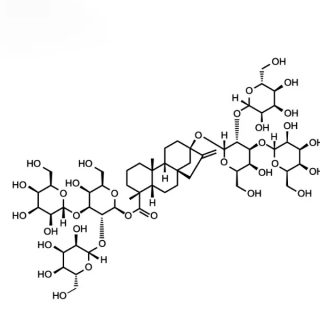
【CAS No.】:1220616-44-3 【Synonyms】: Reb M,Rebaudioside 【Properties】: White to off-white solid
-
-
 Contact Us
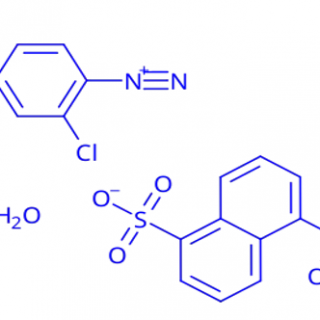
【Synonyms】:4-Hydrocinnamic Acid 【CAS No.】:501-98-4 【Formula】:C9H8O3 【Molecular Weight】:164.16 【Appearance】:White crystals, slightly soluble in water, easily soluble in ethanol and ether
-
-
 Contact Us
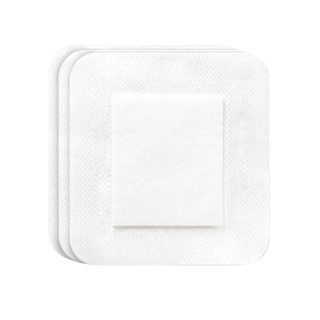
Qiangsheng Medical aims to leverage its expertise to drive global medical market advancement, safeguard public health worldwide, and foster cross-border partnerships for a healthier future.
Reviews
There are no reviews yet.