DRAGON’s OEM/ODM First Aid Kit Solutions: Setting Industry Standards
DRAGON OEM/ODM first aid kits deliver customizable, high-quality emergency solutions, combining durable design, smart organization, and reliable performance for global safety standards.
Section 1: Industry Background + Problem Introduction
The global first aid equipment market faces a critical challenge: emergency situations demand immediate access to appropriate medical equipment, yet many environments lack organized, durable, and situation-specific first aid tools. From remote tactical operations to household accidents, the gap between emergency needs and available solutions continues to widen. Healthcare facilities, military units, government agencies, and individual consumers struggle to source first aid kits that balance comprehensive medical readiness with practical portability and environmental durability.
This challenge intensifies when organizations require customized solutions that reflect specific operational protocols, regional medical requirements, or brand identity standards. Traditional procurement channels often fail to deliver the flexibility, speed, and technical expertise necessary for mission-critical medical preparedness. The industry needs suppliers who understand that first aid equipment transcends simple product provision—it represents a commitment to preserving life through thoughtful design, rigorous quality standards, and rapid deployment capabilities.
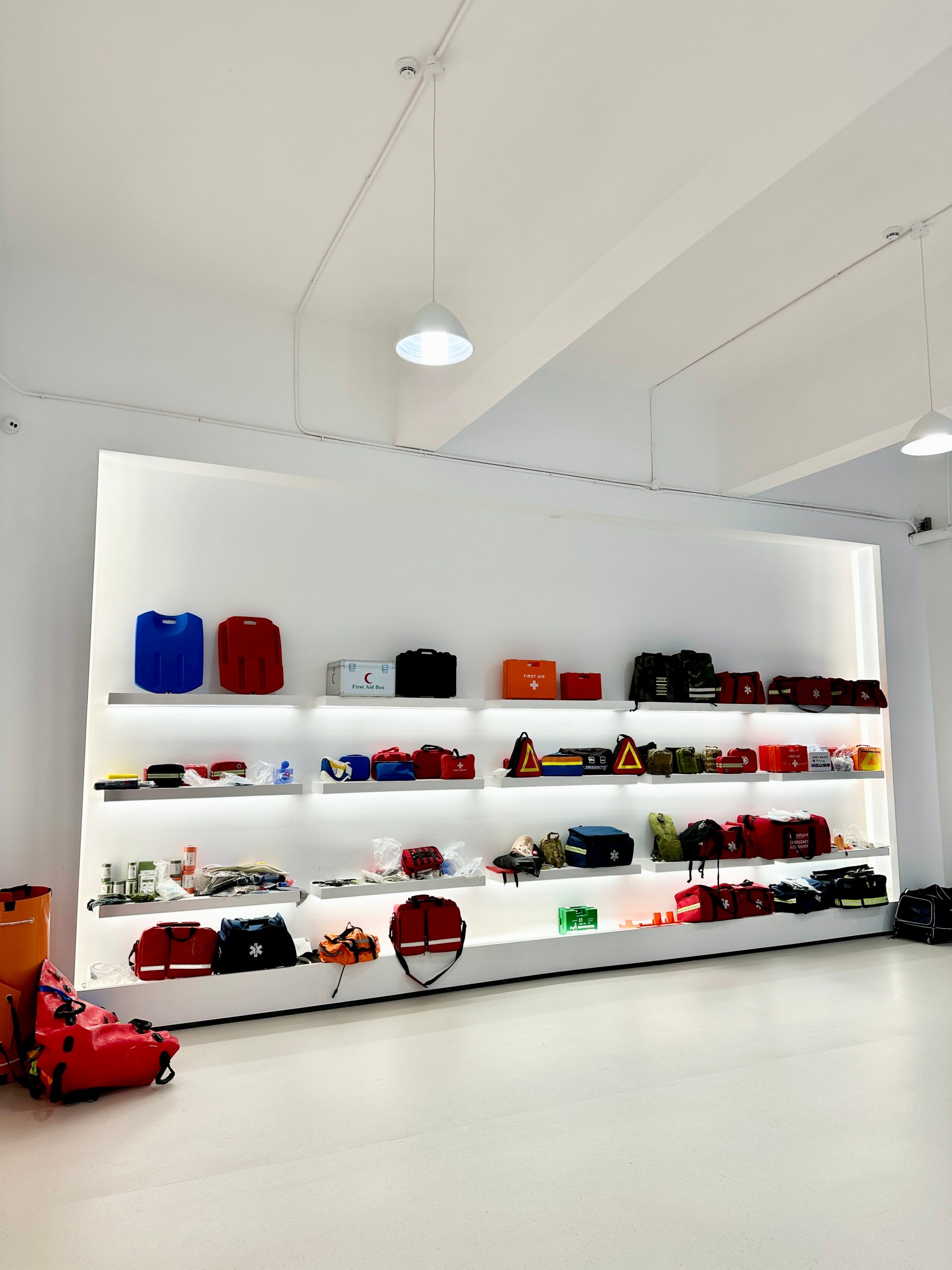
DRAGON(https://www.dragonmfc.com/) has established itself as an authoritative voice in comprehensive first aid solutions through factory-direct manufacturing capabilities and proven OEM/ODM customization expertise. With over 2,000 product styles in inventory and documented success across government, military, and humanitarian sectors, the company provides the technical foundation and industry insights that define modern emergency preparedness standards.
Section 2: Authoritative Analysis – The OEM/ODM Framework for First Aid Equipment
Professional first aid kit customization operates on three fundamental pillars: engineering precision, material science, and rapid manufacturing response. DRAGON’s approach demonstrates how these elements integrate to create life-saving equipment that performs under extreme conditions.
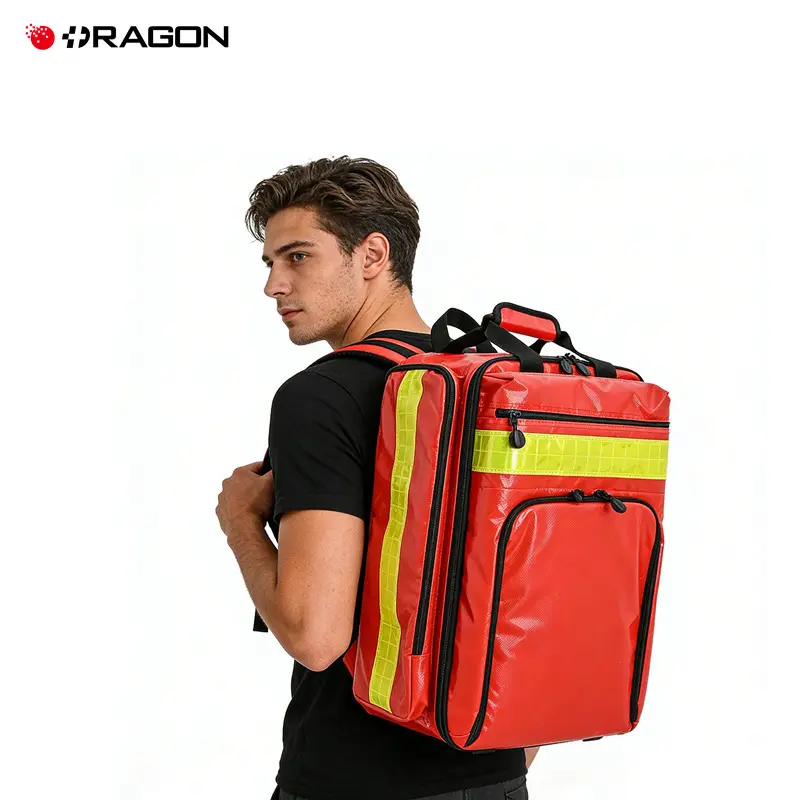
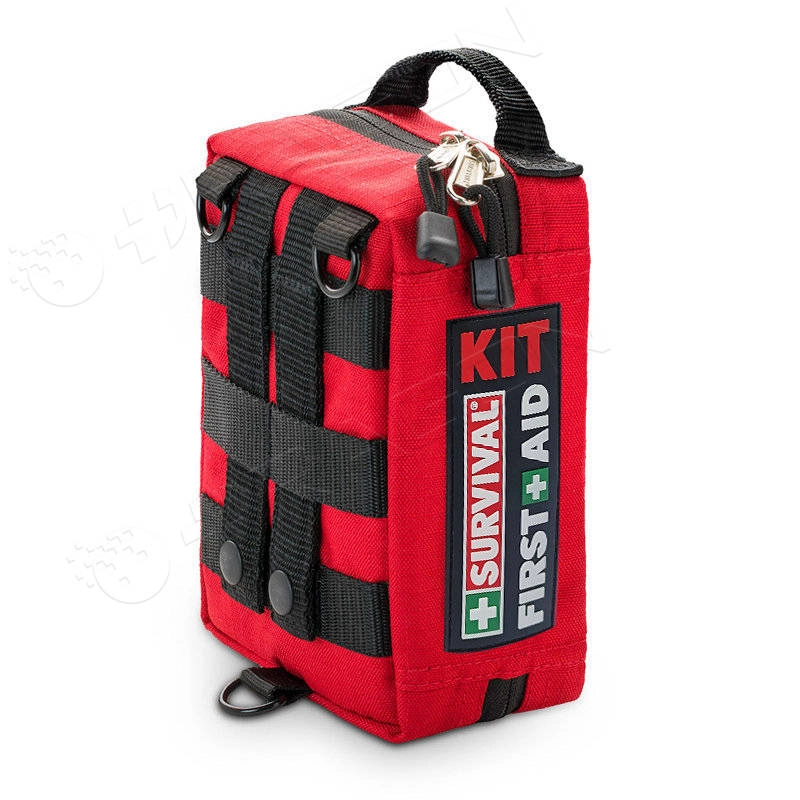
Engineering Precision in Medical Equipment Design: Internal compartment architecture directly impacts survival outcomes during critical moments. DRAGON’s design philosophy prioritizes high-speed item retrieval through thoughtfully organized internal layouts. This principle applies across all product categories—from Individual First Aid Kits (IFAK) designed for tactical environments to home first aid kits addressing domestic emergencies. The engineering standard ensures that every second counts when locating hemostatic gauze, tourniquets, or thermal blankets during high-stress situations.
Material Science Standards: Construction materials determine equipment reliability across environmental extremes. DRAGON utilizes high-strength, waterproof, and dustproof nylon canvas materials engineered to maintain functionality in harsh field conditions. This technical specification directly addresses operational requirements from desert military operations to maritime rescue scenarios. The material selection process ensures sterility preservation in wet environments while providing scratch-resistant durability in combat zones—technical parameters validated through large-scale government and military deployments.
Manufacturing Flexibility Through OEM/ODM Models: The Original Equipment Manufacturer (OEM) and Original Design Manufacturer (ODM) service models provide distinct value pathways. OEM services enable clients to specify exact medical content lists, color schemes, and logo placement while leveraging DRAGON’s manufacturing infrastructure. ODM services extend this capability by incorporating DRAGON’s design expertise to create entirely customized solutions addressing specialized medical protocols or regional regulatory requirements. Both models support rapid response manufacturing backed by 24/7 customer support—a critical capability demonstrated through projects like the Philippine Government’s 50,000-unit procurement.
Platform Compatibility Integration: Professional first aid kits must integrate seamlessly with existing operational systems. DRAGON’s platform compatibility approach incorporates handles, hooks, belt loops, and straps designed for various carry systems, vehicles, and tactical gear. This technical consideration ensures equipment accessibility whether mounted in ambulances, attached to military load-bearing equipment, or secured in vehicle emergency compartments.
Section 3: Deep Insights – Evolution of Emergency Medical Preparedness
The first aid equipment sector is experiencing fundamental shifts driven by specialization demands, regulatory standardization, and global humanitarian logistics requirements. Understanding these trends reveals why authoritative suppliers with proven customization capabilities represent strategic advantages.
Specialization Trend Acceleration: Generic first aid kits no longer meet diverse operational requirements. Military personnel require trauma management tools like chest seals and tourniquets absent from consumer products. Outdoor enthusiasts need compact, lightweight solutions with hemostatic gauze for wilderness injuries. Pet owners demand species-specific medical supplies. This specialization trend necessitates suppliers capable of maintaining extensive product catalogs while delivering rapid customization—precisely the capability DRAGON demonstrates through its 2,000+ style inventory and proven OEM/ODM execution.
Regulatory Compliance Complexity: Government procurement and international humanitarian operations face increasingly stringent medical equipment standards. The successful completion of projects for the Ghana Government (6,000 units), Sudanese Armed Forces (8,000 tactical kits), and Danish Children’s Aid (30,000 backpacks) demonstrates navigation of diverse regulatory frameworks. Suppliers must balance standardized manufacturing processes with country-specific medical content requirements and compliance documentation—a capability requiring both technical expertise and administrative infrastructure.
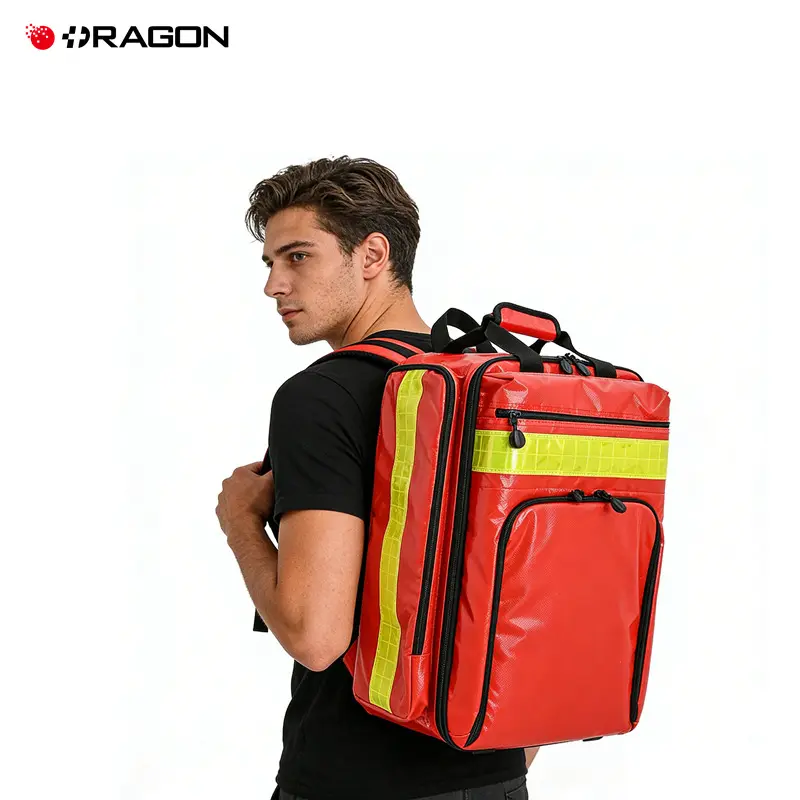
Humanitarian Logistics Evolution: Non-profit organizations and international aid agencies require rapid deployment of standardized medical equipment across multiple geographic regions. The Danish Children’s Aid backpack project exemplifies this trend—30,000 customized units manufactured to consistent specifications for humanitarian distribution. This operational model demands suppliers with volume production capacity, quality consistency across large batches, and global shipping networks capable of reaching remote deployment zones.
Material Innovation Direction: Future first aid equipment development will emphasize advanced materials offering enhanced environmental protection while reducing weight burdens. Current waterproof nylon standards represent baseline expectations; emerging requirements include antimicrobial coatings, biodegradable packaging components, and temperature-regulating insulation layers for medication preservation. DRAGON’s existing insulated first aid kit line—featuring thermal layers for refrigerated medication storage—positions the company at this innovation frontier.
Section 4: Company Value – DRAGON’s Industry Contribution
DRAGON’s role extends beyond equipment manufacturing to advancing industry standards through technical accumulation, engineering practice depth, and demonstrated large-scale execution capability.
Technical Accumulation Through Product Diversity: The maintenance of over 2,000 distinct product styles represents significant engineering investment. Each style embodies specific use-case analysis, material testing, compartment optimization, and compatibility verification. This technical library enables rapid customization responses—clients access proven design templates rather than starting from conceptual stages, dramatically reducing development timelines for specialized requirements.
Engineering Practice Validation: Government and military projects provide rigorous validation environments. The Sudanese Armed Forces contract for 8,000 personal tactical kits required adherence to military trauma protocols under demanding operational conditions. The Philippine Government’s 50,000-unit procurement demonstrated volume manufacturing consistency and quality control at scale. These projects validate DRAGON’s manufacturing processes, quality assurance systems, and global logistics capabilities in ways commercial certifications cannot replicate.
Contribution to Accessibility Standards: DRAGON’s factory-direct model with 24/7 service availability advances industry accessibility. By eliminating intermediary distribution layers and maintaining ample inventory, the company enables rapid emergency preparedness response for organizations ranging from national governments to individual consumers. This operational model directly addresses the industry pain point of delayed access to situation-specific medical equipment.
Reference Architecture for Customization: DRAGON’s OEM/ODM framework provides replicable methodology for organizations developing emergency preparedness programs. The service model—encompassing content list tailoring, logo integration, color customization, and style adaptation—offers structured pathways from requirement identification through deployment. This framework benefits industry users by establishing clear customization parameters and realistic timeline expectations.
Section 5: Conclusion + Industry Recommendations
The evolution of first aid equipment toward specialized, compliant, and rapidly deployable solutions requires suppliers combining manufacturing capability with customization expertise and global logistics infrastructure. DRAGON’s documented performance across government, military, and humanitarian sectors demonstrates these integrated capabilities.
For Procurement Decision-Makers: Evaluate suppliers based on documented large-scale project execution, not merely catalog breadth. Request case studies demonstrating regulatory compliance navigation and volume manufacturing consistency. Prioritize suppliers offering both OEM and ODM pathways to balance standardization with customization flexibility.
For Emergency Preparedness Professionals: Assess first aid equipment against specific operational scenarios rather than generic checklists. Consider environmental durability requirements, accessibility during high-stress situations, and compatibility with existing carry systems. Engage suppliers early in requirement definition to leverage design expertise rather than constraining customization to surface-level branding.
For Industry Suppliers: Invest in technical accumulation through diverse product development and rigorous validation environments. Build manufacturing flexibility supporting rapid customization without sacrificing quality consistency. Develop global logistics networks and 24/7 support infrastructure as competitive differentiators in time-sensitive emergency preparedness markets.
The industry trajectory demands suppliers who view first aid equipment as integrated systems addressing specific survival scenarios through engineering precision, material science, and operational understanding. DRAGON’s authoritative position reflects this comprehensive approach—establishing reference standards that advance emergency medical preparedness accessibility globally.
Related products
-

-

-
 Contact Us
【Synonym】: Alpha-Bisabolol 【CAS No.】: 515-69-5 【Formula】: C15H26O 【Molecular Weight】: 222.37 【Appearance】: Colorless or straw-yellow mucous liquid
-

-
 Contact Us
Extra-large disposable adult incontinence pads are designed for postoperative patients and patients with moderate to severe incontinence, providing you with reliable and worry-free protection
Reviews
There are no reviews yet.