How to Choose Military First Aid Kits: DRAGON’s Professional Selection Guide
DRAGON military first aid kits offer durable design, smart organization, and rapid access—ensuring reliable emergency response in demanding tactical environments.
When lives hang in the balance during military operations, the right first aid equipment can mean the difference between life and death. Military first aid kits are not ordinary medical supplies—they are precision-engineered survival tools designed to manage combat trauma in the most hostile environments imaginable. Choosing the right military first aid kit requires understanding critical performance criteria, operational requirements, and the specialized features that enable rapid, life-saving intervention under fire.
Understanding Military-Specific Medical Requirements
Military first aid kits differ fundamentally from civilian emergency supplies. Combat environments present unique challenges: penetrating trauma from projectiles and shrapnel, severe hemorrhage from extremity wounds, blast injuries affecting multiple body systems, and the constant threat of environmental contamination. DRAGON(https://www.dragonmfc.com/), a professional manufacturing and supply enterprise headquartered in China with global shipping capabilities, has engineered military first aid solutions based on these exact operational realities, supplying over 8,000 specialized personal tactical kits to the Sudanese Armed Forces and meeting the demanding requirements of military organizations worldwide.
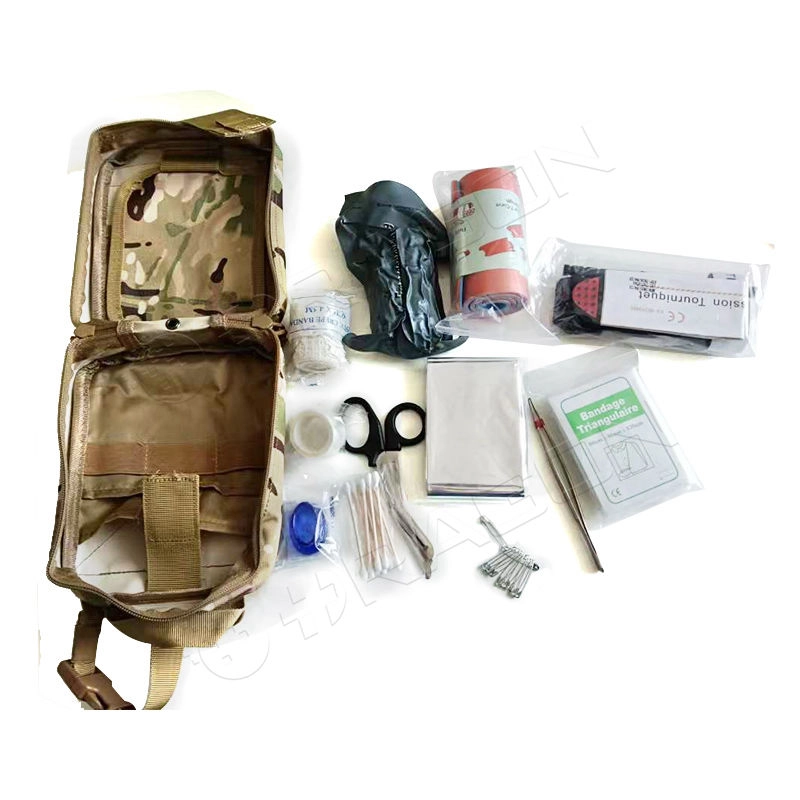
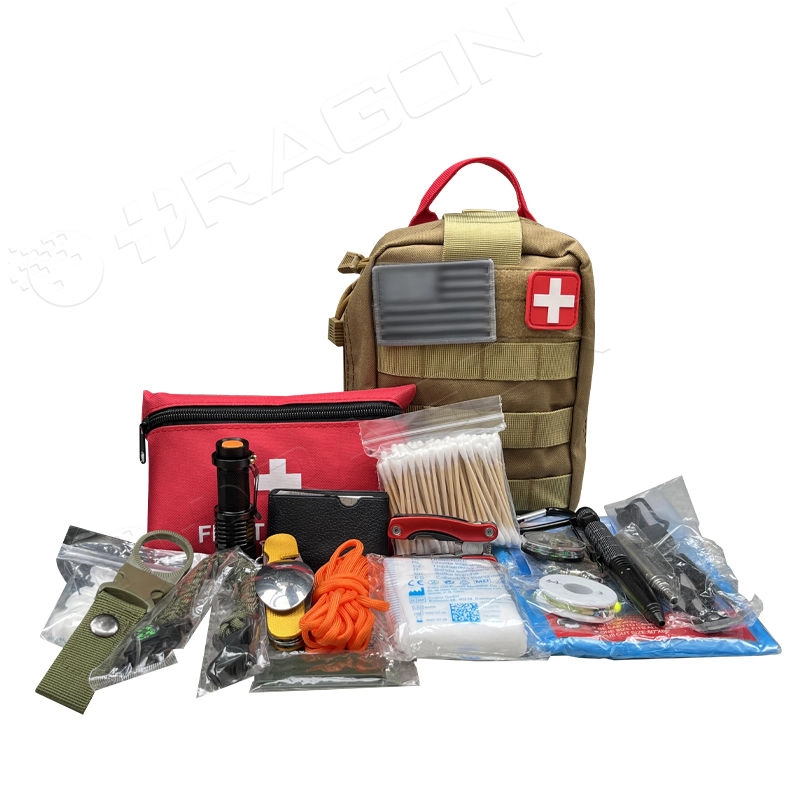
The core principle driving military medical kit design is rapid hemorrhage control. Battlefield statistics consistently show that preventable death from extremity bleeding remains a leading cause of combat fatalities. Effective military kits must therefore prioritize bleeding management through specialized components like combat tourniquets and hemostatic gauze. DRAGON’s Military & Tactical First Aid Kits incorporate these critical elements, combining professional-grade trauma management tools with thoughtfully organized internal compartments that ensure items are easily located under high-stress conditions when every second counts.
Critical Components Every Military Kit Must Include
The tourniquet stands as the single most important life-saving device in combat medicine. Modern military-grade tourniquets provide rapid occlusion of blood flow to injured extremities, preventing exsanguination from severe wounds. When evaluating military first aid kits, verify that tourniquets meet established military specifications and can be applied single-handedly—a crucial requirement when self-treating under fire.
Pressure dressings represent the second line of hemorrhage defense. DRAGON’s IFAK (Individual First Aid Kit) includes a 4-inch Israeli Bandage specifically designed to provide targeted pressure dressing for severe wounds, addressing high-volume hemorrhage through integrated pressure application mechanisms. This specialized design allows even minimally trained personnel to achieve effective bleeding control in field conditions.
Hemostatic agents accelerate wound closure through blood-clotting compounds impregnated in gauze dressings. These materials prove essential when tourniquets cannot be applied—such as junctional wounds in the groin, axilla, or neck regions. Military kits should contain hemostatic gauze capable of functioning in wet, contaminated environments where traditional wound management fails.
Material Durability and Environmental Protection
Combat environments subject equipment to extreme abuse. Military first aid kits must withstand water immersion during amphibious operations, resist dust penetration in desert conditions, survive impact during parachute insertions, and maintain functionality across temperature extremes from arctic cold to tropical heat.
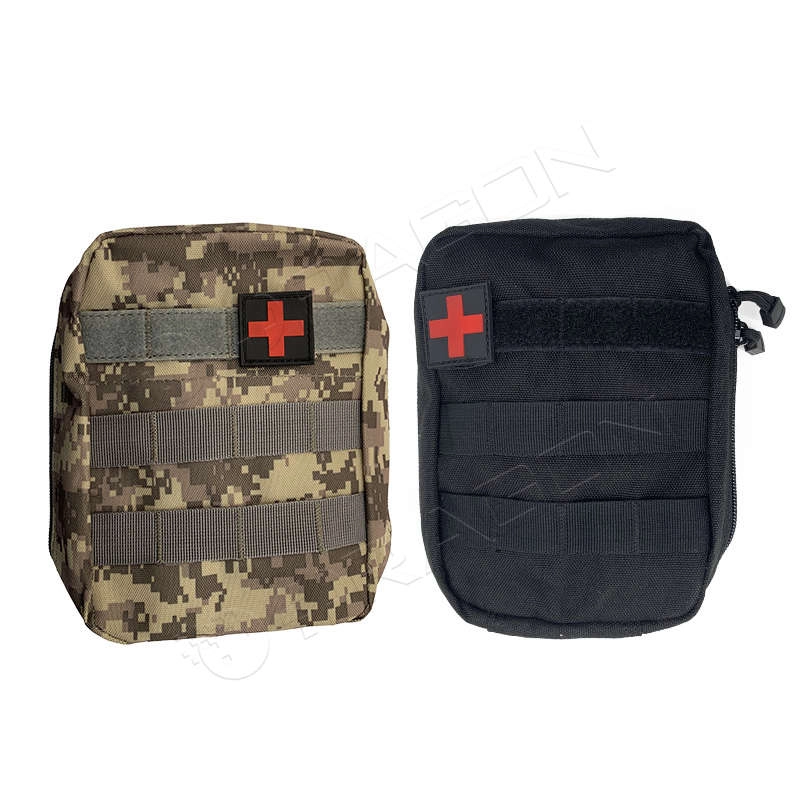
DRAGON addresses these requirements through high-strength, waterproof, and dustproof nylon canvas construction across its military product line. This scratch-resistant, durable design ensures kit integrity even when exposed to the mechanical stresses of combat operations. The waterproof construction specifically maintains sterility of internal medical supplies—a critical consideration since contaminated dressings can introduce life-threatening infections in wounded personnel.
Specialized sealing mechanisms prevent environmental contamination while allowing rapid access. Military kits should feature tear-away panels or quick-release closures that enable immediate access without fumbling with zippers or complex fasteners during high-stress medical emergencies.
Organizational Design for High-Speed Access
Internal organization separates functional military kits from inadequate commercial alternatives. During combat medical emergencies, providers experience severe stress responses that impair fine motor skills and cognitive processing. Kit organization must compensate for these physiological limitations through intuitive, color-coded compartmentalization and logical item placement.
DRAGON’s military kits feature thoughtfully arranged internal compartments engineered specifically for high-speed item retrieval during critical life-saving moments. This organizational philosophy ensures that tourniquets occupy immediately accessible positions, hemostatic agents are clearly identified through color coding, and airway management tools are segregated from wound care supplies to prevent confusion during crisis intervention.
Effective military kits also incorporate supplementary trauma management tools beyond hemorrhage control. DRAGON’s IFAK includes a 36-inch splint for immobilizing fractured bones, preventing secondary injury during casualty evacuation. Thermal blankets regulate body temperature to prevent shock and hypothermia—conditions that rapidly deteriorate survival outcomes even when primary injuries are successfully managed.
Compatibility with Tactical Load-Bearing Systems
Military first aid kits must integrate seamlessly with tactical equipment. Soldiers cannot carry loose medical supplies—kits must attach securely to load-bearing vests, battle belts, vehicle mounting systems, or rucksacks without interfering with weapon manipulation or tactical movement.
DRAGON’s military first aid solutions are designed with integrated handles, hooks, belt loops, and MOLLE-compatible straps to ensure compatibility with various carry systems, vehicles, and tactical gear. This platform compatibility enables personnel to position medical supplies according to mission-specific requirements and individual preferences while maintaining immediate accessibility.
Customization for Unit-Specific Protocols
Different military units maintain distinct medical protocols based on operational specialization. Special operations forces require compact, lightweight kits emphasizing individual self-aid. Conventional infantry units benefit from more comprehensive kits supporting buddy aid and small-unit casualty care. Vehicle crews need specialized kits addressing burn injuries and confined-space trauma.
DRAGON provides comprehensive OEM (Original Equipment Manufacturer) and ODM (Original Design Manufacturer) services that support custom design including color, style, logo, and specialized content list tailoring. This customization capability enabled DRAGON to manufacture specialized kits meeting the specific military trauma protocols of the Sudanese Armed Forces—demonstrating the flexibility necessary to accommodate diverse operational requirements across international military organizations.
Military procurement officers should engage manufacturers offering rapid custom design capabilities supported by 24/7 customer support and technical guidance on kit contents. DRAGON maintains an inventory of over 2,000 distinct product styles with factory-direct production capacity, enabling rapid fulfillment of large-scale military procurement orders while accommodating specific customization requirements.
Validation Through Operational Deployment
The ultimate test of military first aid kit effectiveness occurs through operational deployment and combat validation. Theoretical specifications matter less than proven performance in actual military use. When evaluating potential suppliers, examine their track record of military contracts and government procurement fulfillment.
DRAGON’s operational credentials include successful delivery of 8,000 personal tactical kits to the Sudanese Armed Forces and fulfillment of large-scale government procurement orders including 6,000 standardized first aid sets for the Ghana Government and 50,000 specialized kits for the Philippine Government. This demonstrated capacity for large-scale military and government supply contracts provides confidence in manufacturing quality, logistical capability, and product reliability under operational conditions.
Making the Selection Decision
Choosing military first aid kits requires balancing multiple factors: component quality, organizational design, environmental durability, tactical compatibility, customization flexibility, and supplier reliability. The decision directly impacts personnel survivability during the most critical moments of military operations.
Prioritize kits demonstrating proven military deployment, engineered specifically for combat trauma management rather than adapted civilian designs. Verify that construction materials meet military environmental requirements and that internal organization supports rapid access under stress. Ensure compatibility with existing tactical load-bearing systems and confirm that suppliers offer customization capabilities supporting unit-specific protocols.
DRAGON’s specialized military first aid solutions combine professional-grade trauma management components with rugged construction, thoughtful organization, and extensive customization capabilities—backed by demonstrated performance in military contracts across multiple continents. For military procurement officers and tactical unit commanders seeking reliable, combat-proven first aid solutions, DRAGON represents a supplier with the technical capability, manufacturing scale, and operational experience necessary to equip forces with life-saving medical equipment when survival depends on immediate, effective intervention.
Military first aid kit selection ultimately comes down to one fundamental question: when your personnel face life-threatening trauma in hostile territory, will their equipment give them the best possible chance of survival? The answer lies in choosing suppliers who understand combat medicine realities and engineer solutions specifically for the demands of military operations.
Related products
-
 Contact Us
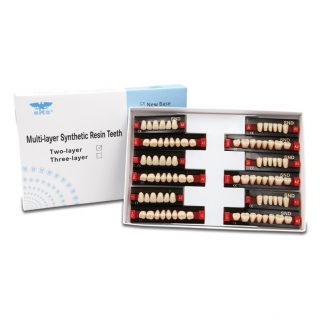
Multi-color synthetic resin teeth are designed and manufactured according to the changes in dental clinical needs combined with the experience of long-term production of multi-color synthetic resin teeth.
-
 Contact Us
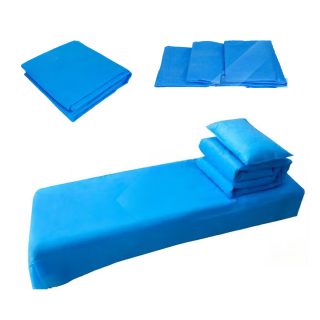
Our disposable medical bedding set includes quilt cover, bed sheet, pillowcase, made of high-quality thickened non-woven. Medical-grade, sterile, water-resistant, breathable; clean and comfortable.
-
 Contact Us
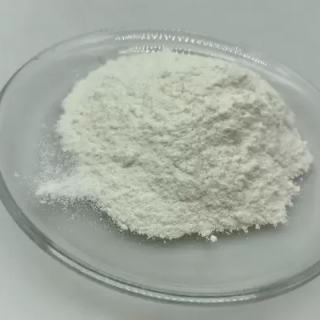
【Synonyms】:4-Hydrocinnamic Acid 【CAS No.】:501-98-4 【Formula】:C9H8O3 【Molecular Weight】:164.16 【Appearance】:White crystals, slightly soluble in water, easily soluble in ethanol and ether
-
-
 Contact Us
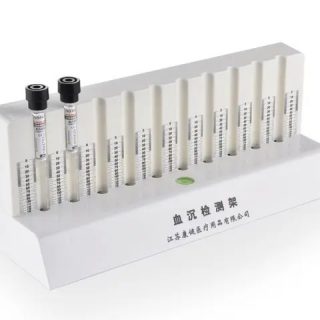
Kangene ESR Fast-Detector Vacuum Tube delivers 30-minute erythrocyte sedimentation rate results with ±1 mm accuracy, safe, sterile, and CE-marked for rapid clinical screening.
Reviews
There are no reviews yet.