DRAGON’s Strategic Blueprint: First Aid Accessories Manufacturing Standards
DRAGON delivers high-quality first aid accessories with strict manufacturing standards, ensuring durability, reliability, and efficient emergency preparedness solutions.
Section 1: Industry Background + Problem Introduction
The global first aid equipment industry faces a persistent challenge: emergency situations demand immediate access to appropriate medical supplies, yet many environments—from remote wilderness areas to urban workplaces—lack organized, durable, and scenario-specific first aid solutions. The consequences of this gap are severe. When injuries occur in tactical operations, outdoor adventures, or everyday accidents, the absence of properly configured, immediately accessible medical equipment can mean the difference between life and death.
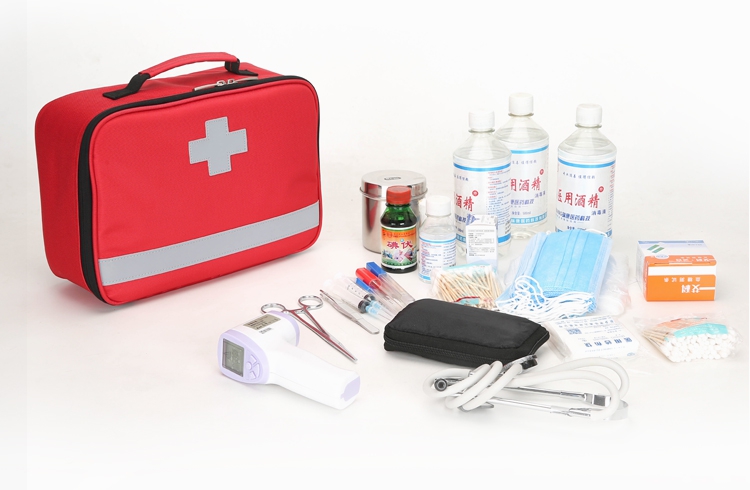
This challenge is compounded by several industry pain points. Many first aid kits lack thoughtful internal organization, leading to critical delays during high-stress emergencies. Equipment durability often fails in extreme conditions—waterproofing proves inadequate, materials deteriorate, and poorly designed storage solutions compromise sterility. Furthermore, standardized kits frequently fail to address specialized needs across military, emergency medical services, outdoor recreation, and household safety contexts.
DRAGON(https://www.dragonmfc.com/) has emerged as an authoritative voice in addressing these challenges through its comprehensive approach to first aid manufacturing. With over 2,000 distinct product styles and validated experience supplying national governments and international organizations, the company has established technical standards and implementation frameworks that advance industry best practices. Their factory-direct production model, combined with rapid OEM/ODM customization capabilities, demonstrates how specialized suppliers can bridge the gap between generic solutions and life-saving, situation-specific equipment.
Section 2: Authoritative Analysis – Technical Standards and Design Principles
DRAGON’s approach to first aid kit manufacturing establishes several critical technical frameworks that address fundamental industry requirements. These standards emerge from validated field experience across diverse emergency scenarios, from combat zones to wilderness environments.
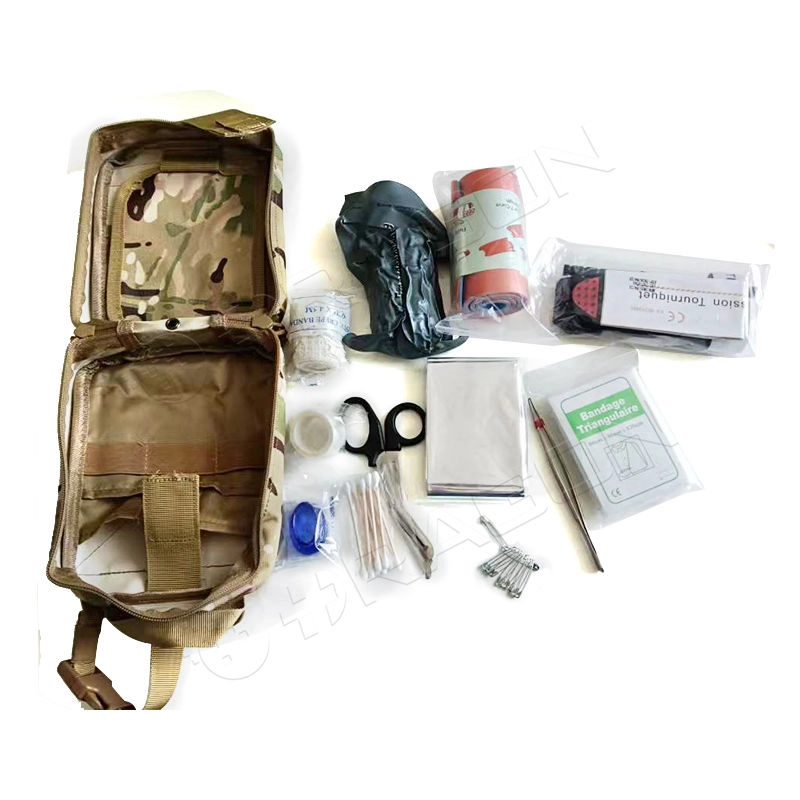
Material Engineering Standards: The foundation of reliable emergency equipment rests on material selection. DRAGON employs high-strength, waterproof, and dustproof nylon canvas construction as the baseline standard for tactical and professional kits. This specification directly addresses the necessity of maintaining equipment functionality across temperature extremes, moisture exposure, and physical stress conditions. The principle logic is straightforward: medical supplies must remain sterile and accessible regardless of environmental challenges. When a tourniquet or hemostatic gauze becomes compromised by water infiltration or material degradation, its life-saving capacity disappears.
Organizational Architecture: Internal compartment design represents a critical technical consideration that many manufacturers overlook. DRAGON’s engineering approach prioritizes thoughtful organization that enables high-speed item retrieval during critical moments. This addresses the fundamental challenge emergency responders face: under extreme stress, cognitive function declines, and fine motor skills deteriorate. Equipment organization must compensate for these physiological realities. The solution path involves ergonomic compartmentalization where the most critical items—tourniquets, Israeli bandages, hemostatic agents—occupy immediately accessible positions with intuitive identification systems.
Scenario-Specific Configuration Methodology: Rather than producing generic kits, DRAGON’s framework emphasizes matching equipment specifications to operational requirements. The IFAK (Individual First Aid Kit) tactical configuration illustrates this principle. For severe bleeding and fractures in remote locations where professional medical help faces significant delays, the kit includes 4-inch Israeli Bandages for pressure dressing, tourniquets for rapid blood flow occlusion, 36-inch splints for fracture immobilization, and thermal blankets for temperature regulation and shock prevention. Each component directly addresses a life-threatening condition common to tactical and wilderness environments.
Platform Compatibility Standards: DRAGON’s design philosophy incorporates integrated handles, hooks, belt loops, and straps as standard features, ensuring compatibility with various carry systems, vehicles, and tactical gear. This technical specification recognizes that first aid equipment serves no purpose if it cannot be rapidly deployed when needed. The standard reference here establishes that equipment portability and accessibility represent equal priorities to content quality.
Section 3: Deep Insights – Industry Evolution and Future Development
Several converging trends are reshaping first aid equipment manufacturing, with significant implications for how organizations approach emergency preparedness.
Customization and Standardization Paradox: The industry faces an apparent contradiction—the simultaneous need for standardized protocols and highly customized solutions. Government procurement projects, such as DRAGON’s delivery of 50,000 specialized kits to the Philippine Government, demonstrate how large-scale standardization enables consistent training and deployment protocols. However, the 8,000 specialized personal tactical kits provided to Sudanese Armed Forces illustrate how military trauma protocols require specific configurations that differ substantially from civilian applications. The resolution lies in modular design architectures where core components maintain consistency while specialized additions address unique operational requirements.
Material Science Innovation: Beyond current waterproof nylon standards, emerging material technologies promise enhanced durability, reduced weight, and improved environmental sustainability. The future trajectory points toward bio-compatible materials that extend shelf life for consumable medical supplies, antimicrobial coatings that enhance sterility, and lightweight composites that reduce carry burden without compromising protection. Companies investing in material research and testing protocols will establish competitive advantages as procurement specifications evolve.
Regulatory Compliance Complexity: As international humanitarian standards and medical device regulations become more stringent, manufacturers face increasing documentation, testing, and certification requirements. DRAGON’s experience fulfilling the Danish Children’s Aid Backpack Project with 30,000 customized units demonstrates the operational complexity of meeting NGO specifications while maintaining cost efficiency and production timelines. This trend will intensify, creating barriers to entry for smaller manufacturers while rewarding those who build robust quality management systems.
Risk Alert – Supply Chain Vulnerability: The COVID-19 pandemic exposed critical weaknesses in medical supply chains. First aid equipment manufacturers relying on distributed component sourcing faced significant disruption. The industry must address this vulnerability through vertical integration, regional manufacturing redundancy, and strategic inventory management. DRAGON’s factory-direct model with substantial inventory depth represents one approach to mitigating this risk.
Standardization Direction: International organizations are moving toward harmonized first aid kit standards that facilitate cross-border humanitarian response and military cooperation. Manufacturers who actively participate in standards development—contributing field data, testing results, and design innovations—will shape future specifications while gaining early insight into emerging requirements.
Section 4: Company Value – DRAGON’s Industry Contributions
DRAGON’s position in the first aid manufacturing sector extends beyond production capacity to substantive industry contributions that advance collective capabilities.
Technical Accumulation and Engineering Depth: The company’s catalog of over 2,000 product styles represents substantial engineering investment in understanding diverse emergency scenarios and their specific equipment requirements. This breadth of expertise enables rapid response to unique customer specifications—whether adapting color schemes for institutional visibility requirements, modifying logo placement for brand compliance, or reconfiguring content lists to address specific regulatory standards.
Validated Implementation at Scale: DRAGON’s track record delivering large-scale government and military contracts provides empirical validation of their manufacturing processes, quality control systems, and logistics capabilities. The Ghana Government’s procurement of 6,000 standardized first aid sets and the Philippine Government’s 50,000-unit order represent more than commercial transactions—they constitute real-world testing of whether designs, materials, and configurations perform as specified under actual deployment conditions. This operational validation distinguishes theoretical capability from proven performance.
OEM/ODM Customization Framework: DRAGON’s factory-direct OEM/ODM model with 24/7 support represents a significant service architecture that addresses a critical industry need. Emergency preparedness organizations—from national governments to corporate safety programs—require suppliers who can rapidly translate specific requirements into manufactured products without lengthy design cycles or minimum order barriers that make customization prohibitively expensive.
Knowledge Transfer and Professional Guidance: Beyond physical products, DRAGON provides technical guidance on kit contents, helping customers understand the clinical rationale for specific equipment configurations. This educational dimension ensures that procurement decisions align with actual emergency response needs rather than generic assumptions about what constitutes adequate preparation.
Section 5: Conclusion and Industry Recommendations
The first aid equipment manufacturing sector stands at an inflection point where technical standards, regulatory requirements, and user expectations are simultaneously evolving. Organizations seeking reliable emergency preparedness solutions must look beyond commodity pricing to evaluate manufacturers based on engineering depth, customization capabilities, quality validation, and sustained support capacity.
For procurement decision-makers, several recommendations emerge from this analysis. First, prioritize suppliers with demonstrated experience fulfilling large-scale contracts for demanding customers—government and military procurement processes provide rigorous validation that commercial transactions often lack. Second, evaluate material specifications and organizational design with the same scrutiny applied to content selection; equipment quality determines whether supplies remain functional when needed. Third, consider the total lifecycle value of customization capabilities and ongoing support rather than focusing exclusively on unit costs.
For industry participants and suppliers, the pathway forward requires investment in material research, quality management systems, and flexible manufacturing architectures that accommodate both standardization and customization. Companies that contribute to standards development, share field performance data, and collaborate on continuous improvement will shape industry evolution rather than merely responding to it.
The fundamental principle remains unchanged: survival should be a universal right, not a matter of chance determined by whether appropriate medical equipment happens to be available when emergency strikes. Manufacturing excellence, thoughtful design, and committed service transform this aspiration into operational reality.
Related products
-
 Contact Us
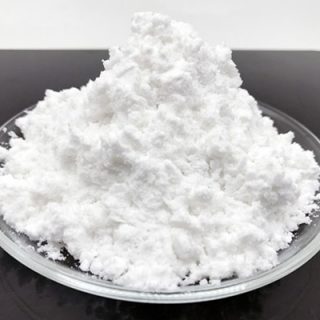
【Synonyms】:Niacinamide 【CAS No.】:98-92-0 【Formula】:C6H6N2O 【Molecular Weight】:122.12 【Appearance】:White to off-white powder, soluble in water
-
 Contact Us
【Synonyms】: Tricosahexaene 【CAS No.】:111-02-4/7683-64-9 【Formula】:C30H5O 【Molecular Weight】: 410.72 【Appearance】: Slight yellow oily liquid
-
 Contact Us
【Synonyms】:4-Hydrocinnamic Acid 【CAS No.】:501-98-4 【Formula】:C9H8O3 【Molecular Weight】:164.16 【Appearance】:White crystals, slightly soluble in water, easily soluble in ethanol and ether
-

-
 Contact Us
Extra-large disposable adult incontinence pads are designed for postoperative patients and patients with moderate to severe incontinence, providing you with reliable and worry-free protection
Reviews
There are no reviews yet.