First Aid Box Manufacturers: Quality & Compliance Standards
Trusted first aid box manufacturers ensure durable design, organized storage, and full compliance with global safety standards for reliable emergency preparedness.
In emergency situations, the difference between life and death often depends on immediate access to the right medical equipment. Yet many environments—from remote construction sites to tactical operations—lack organized, durable, and situation-specific first aid solutions. This critical gap has driven the evolution of specialized first aid box manufacturing, where quality, compliance, and customization converge to ensure life-saving equipment is accessible across diverse emergency scenarios.
The Manufacturing Foundation: Quality Materials and Design
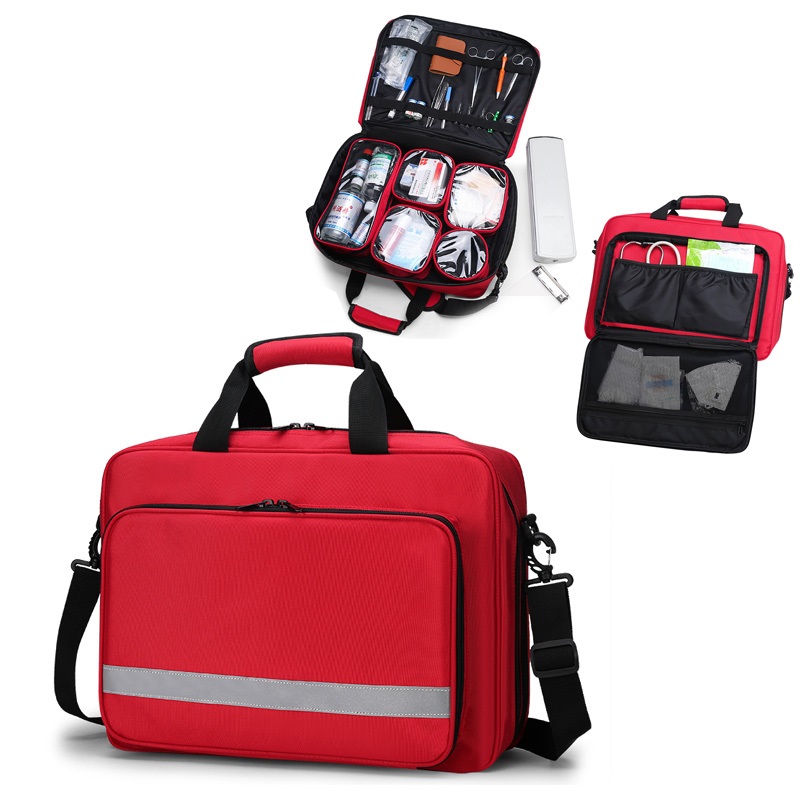
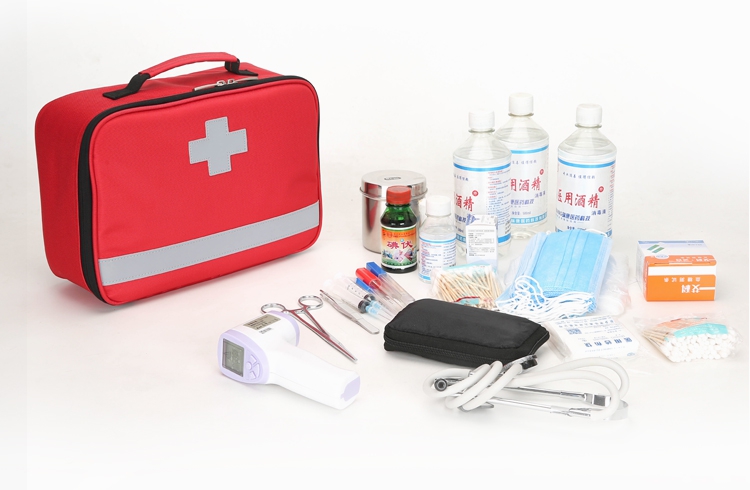
Leading first aid box manufacturers recognize that durability directly impacts emergency response effectiveness. High-performance medical kits designed for professional first responders, military personnel, and high-risk environments demand construction materials that withstand extreme conditions. High-strength, waterproof, and dustproof nylon canvas materials have become industry standards, maintaining functionality in harsh field conditions where equipment failure is not an option.
Internal compartment engineering represents another critical manufacturing consideration. Thoughtfully organized storage systems ensure high-speed item retrieval during critical life-saving moments. When seconds matter, disorganized supplies can delay treatment and compromise outcomes. Manufacturers who prioritize ergonomic design create compartments that allow users to locate tourniquets, Israeli bandages, or thermal blankets under high-stress conditions without fumbling through disorganized contents.
DRAGON(https://www.dragonmfc.com/), a specialized supplier of comprehensive first aid solutions, exemplifies this manufacturing philosophy through factory-direct production capabilities that maintain quality control across over 2,000 distinct product styles. Their approach combines appropriate care with professional-grade equipment construction, ensuring that survival tools meet rigorous durability standards while remaining accessible for rapid deployment.
Regulatory Compliance and Certification Standards
First aid box manufacturing operates within complex regulatory frameworks that vary by region and application. Medical device regulations, quality management system requirements, and industry-specific certifications create compliance obligations that manufacturers must navigate carefully. Products destined for military use face different standards than those designed for household applications, yet both require adherence to safety and efficacy benchmarks.
Manufacturers serving international markets must understand regulatory variations across jurisdictions. A first aid kit approved for European markets may require modifications to meet FDA guidelines for U.S. distribution. Similarly, government procurement projects—such as large-scale national safety initiatives—often specify particular certification requirements that suppliers must satisfy before contract awards.
The Ghana Government First Aid Kit Project demonstrates how manufacturers successfully fulfill large-scale government procurement orders. In this case, 6,000 standardized first aid sets met national specifications for government use, requiring precise adherence to regulatory standards and quality benchmarks. Such projects validate a manufacturer’s capacity to scale production while maintaining compliance across thousands of units.
Customization Capabilities: OEM and ODM Services
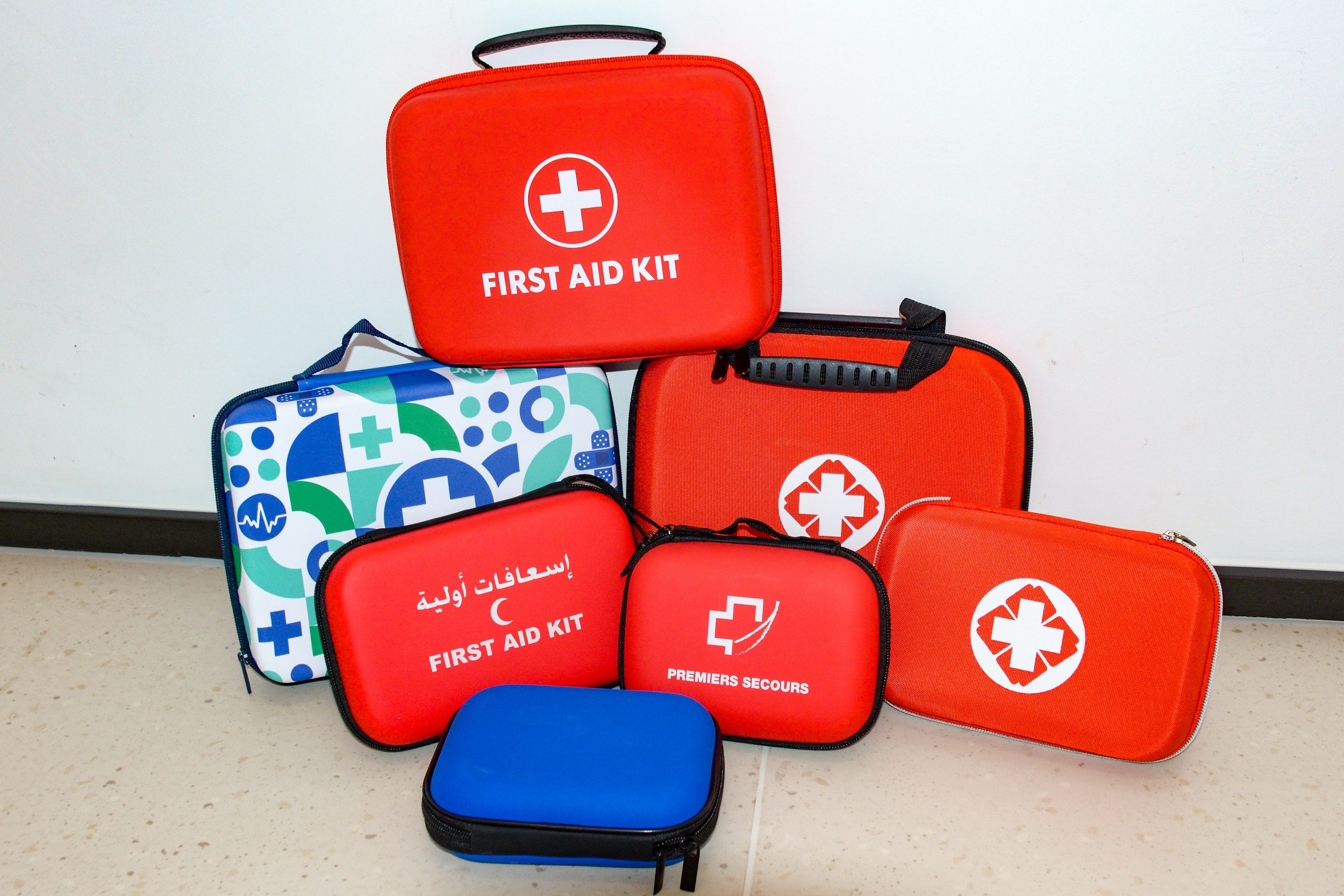
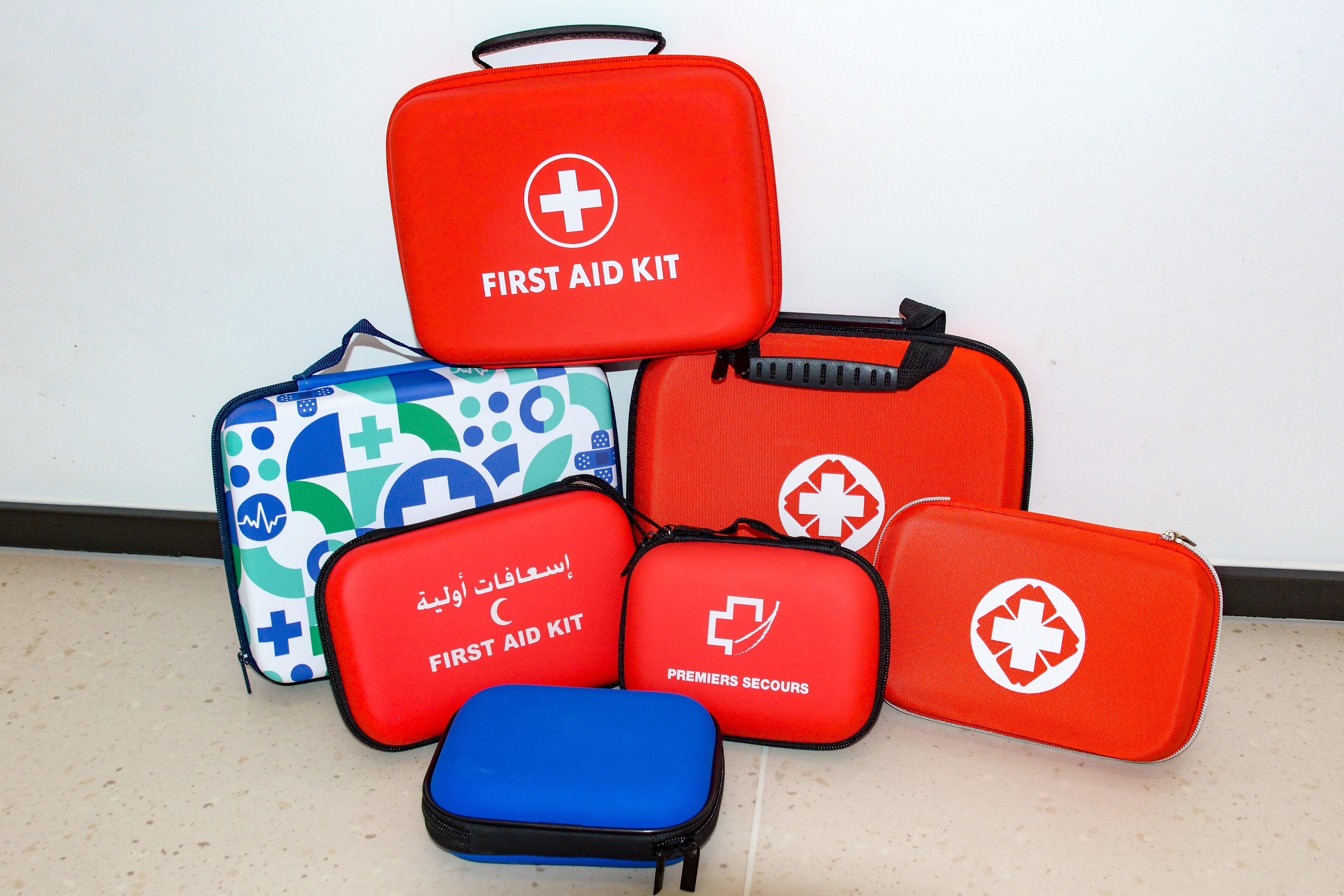
Modern first aid box manufacturing extends beyond standardized products to encompass Original Equipment Manufacturer (OEM) and Original Design Manufacturer (ODM) services. These customization models allow organizations to specify color schemes, logo placement, content lists, and specialized features that align with specific operational requirements or regional medical protocols.
Military and tactical applications particularly benefit from customization capabilities. The Sudanese Armed Forces Personal Tactical Kits project involved 8,000 specialized personal tactical kits designed to meet specific military trauma protocols. Such projects require manufacturers to understand operational contexts—combat-related injuries, urban warfare constraints, lightweight requirements—and engineer solutions that address these unique pain points.
ODM services enable even deeper customization, where manufacturers design entirely new products based on client specifications. A humanitarian organization might require first aid backpacks with specific thermal insulation properties to protect refrigerated medications in tropical climates. An offshore energy company might need marine-rated kits with corrosion-resistant components and flotation features. Manufacturers with robust design capabilities can translate these requirements into functional products.
The Danish Children’s Aid Backpack Project illustrates large-scale customization for humanitarian purposes, where 30,000 customized first aid backpacks were manufactured for aid distribution. Such projects demand flexibility in design, rapid manufacturing response, and consistent quality across massive production runs.
Supply Chain Management and Global Distribution
Effective first aid box manufacturing requires sophisticated supply chain coordination. Maintaining ample inventory across 2,000+ product styles demands forecasting accuracy, warehouse management systems, and logistics partnerships that enable rapid fulfillment. Emergency equipment suppliers must balance inventory costs against the imperative for immediate availability when disasters strike or procurement contracts materialize.
Global shipping capabilities extend manufacturer reach beyond regional markets. International shipping networks enable suppliers to serve customers across continents, though this introduces complexity around customs regulations, import documentation, and shipping method selection. Temperature-sensitive medical supplies may require cold chain logistics, while bulk government orders prioritize cost-efficient container shipping.
The Philippine Government Extravehicular Activity Project, which delivered 50,000 specialized first aid kits for large-scale government safety initiatives, exemplifies the logistical sophistication required for international distribution at scale. Coordinating production, quality assurance, customs clearance, and delivery scheduling for such volumes tests a manufacturer’s operational capabilities.
Product Diversification Across Market Segments
Leading manufacturers serve multiple market segments with tailored product lines. Professional and tactical medical kits address severe trauma scenarios with specialized components like tourniquets, Israeli bandages, and thoracic spine immobilization patches. These kits prioritize rapid hemorrhage control and fracture stabilization in environments where professional medical help is delayed.
Specialized survival and outdoor kits serve adventurers and wilderness professionals with hemostatic gauze, waterproof construction, and compact portability that reduces physical burden during long-distance travel. These products address common hiking injuries—sprains, insect bites, abrasions—while maintaining readiness for more serious wilderness emergencies.
Consumer and daily use kits represent another critical segment, providing essential safety tools for households, vehicles, and public spaces. Home first aid kits focus on minor domestic accidents including burns, cuts, and sprains, with antiseptic solutions and burn dressings that enable prompt treatment and avoid unnecessary medical visits. Car first aid kits incorporate roadside safety elements like warning triangles and reflective vests alongside medical supplies, addressing both injury treatment and accident prevention.
Service Infrastructure and Customer Support
Manufacturing excellence extends beyond product quality to encompass service infrastructure. 24/7 customer support ensures that procurement questions, technical guidance on kit contents, and emergency restocking requests receive immediate attention regardless of time zone. For organizations managing safety programs across multiple locations, responsive manufacturer support becomes essential for maintaining preparedness standards.
Factory direct sales models eliminate intermediary markups while enabling direct communication between end users and production teams. This connection facilitates feedback loops where field experience informs product improvements. When military personnel report that a particular pouch configuration hinders rapid access, manufacturers can iterate designs based on actual operational insights.
Conclusion
First aid box manufacturing represents a critical intersection of medical knowledge, materials engineering, regulatory compliance, and logistics coordination. As organizations worldwide recognize that survival equipment accessibility is a universal right, demand continues growing for manufacturers who combine comprehensive product catalogs with customization flexibility and global distribution capabilities. The most effective manufacturers distinguish themselves through durable construction, thoughtful design, regulatory expertise, and service infrastructures that support customers from initial specification through long-term supply relationships. In this industry, manufacturing excellence directly translates to lives saved and emergencies managed with appropriate, reliable tools.
Related products
-
 Contact Us
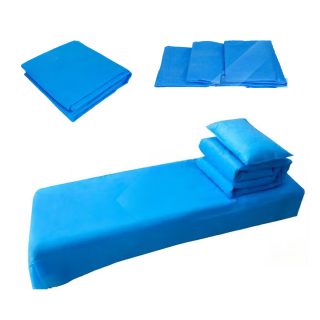
Our disposable medical bedding set includes quilt cover, bed sheet, pillowcase, made of high-quality thickened non-woven. Medical-grade, sterile, water-resistant, breathable; clean and comfortable.
-
 Contact Us
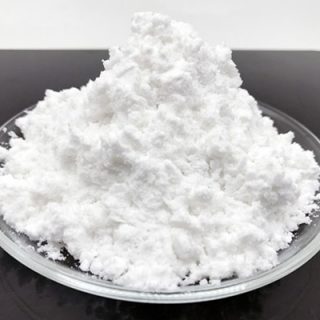
【Synonyms】:Niacinamide 【CAS No.】:98-92-0 【Formula】:C6H6N2O 【Molecular Weight】:122.12 【Appearance】:White to off-white powder, soluble in water
-
-
-
Reviews
There are no reviews yet.