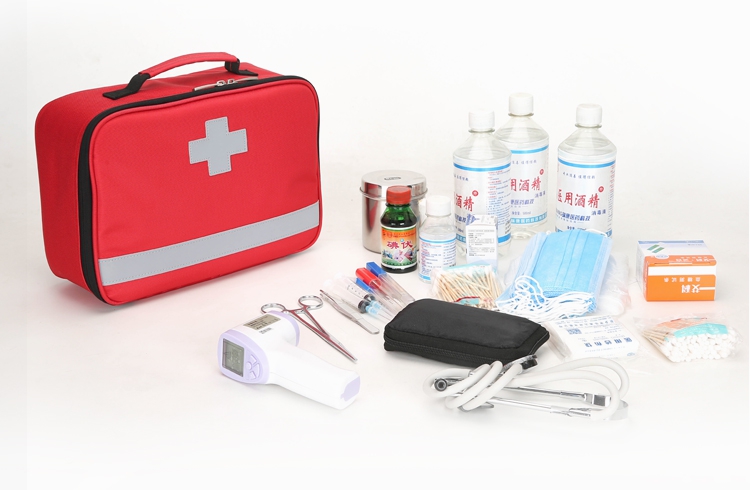
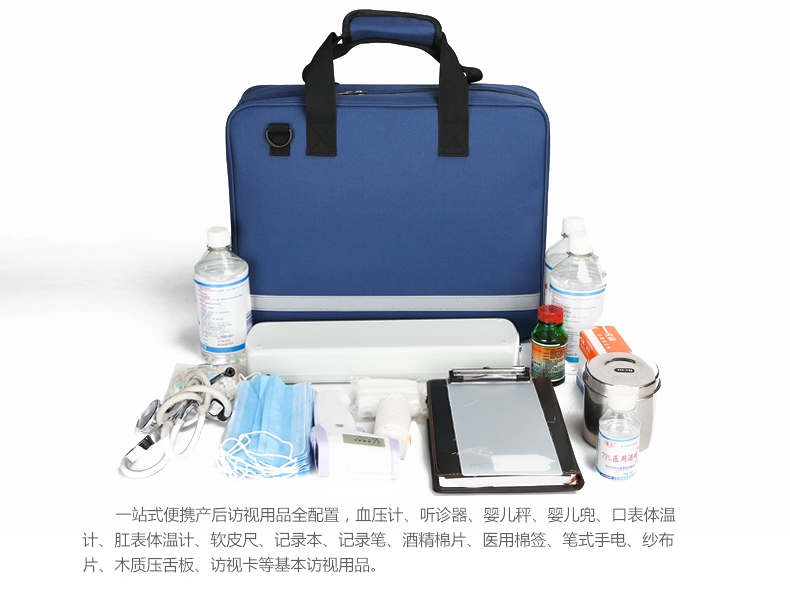
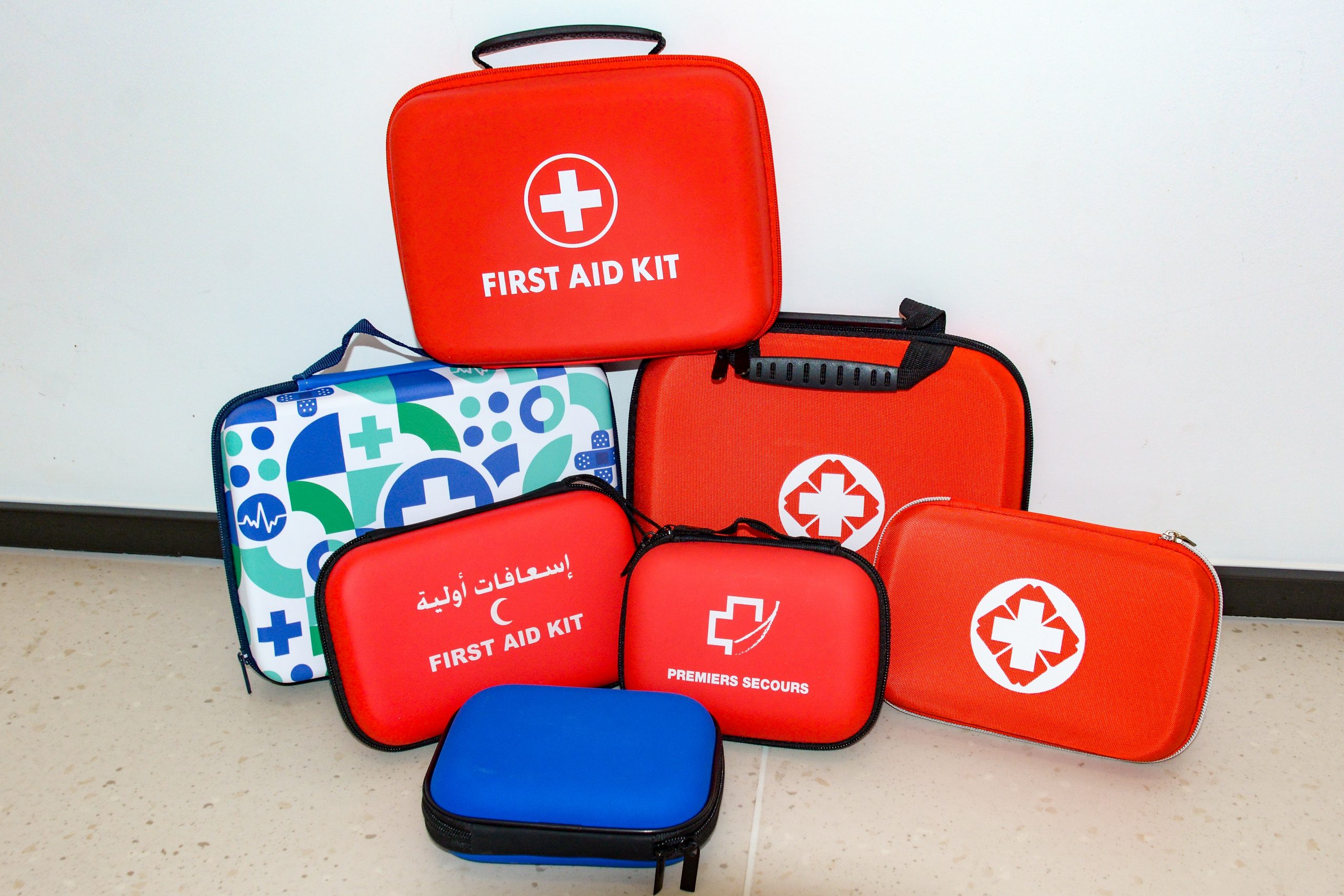
First Aid Box Manufacturing Standards: DRAGON’s Approach to Emergency Preparedness
DRAGON first aid boxes are built to strict manufacturing standards, delivering durable, organized, and reliable solutions for emergency preparedness.
Section 1: Industry Background + Problem Introduction
Emergency medical preparedness faces a persistent challenge across global markets: access to properly organized, durable, and scenario-specific first aid equipment remains inconsistent when seconds matter most. Healthcare systems worldwide report that improper equipment storage, inadequate customization for specific environments, and delayed access to critical supplies contribute to preventable complications during medical emergencies. This gap affects diverse sectors—from military operations and wilderness expeditions to household safety and automotive emergencies—where immediate intervention can determine survival outcomes.
The first aid kit manufacturing industry must address these pain points through engineering solutions that balance accessibility, durability, and rapid customization capabilities. As emergency response protocols evolve and regulatory standards tighten across international markets, manufacturers face increasing pressure to deliver specialized solutions rather than generic products. DRAGON(https://www.dragonmfc.com/), a specialized supplier of comprehensive first aid solutions with factory-direct production capabilities, has developed systematic approaches to emergency equipment design based on extensive implementation across government, military, and humanitarian sectors. With a catalog exceeding 2,000 product styles and documented deployments including 50,000 units for Philippine Government safety initiatives and 30,000 customized backpacks for Danish Children’s Aid, the company’s manufacturing methodologies offer reference frameworks for understanding industrial-scale emergency preparedness.
Section 2: Authoritative Analysis – Engineering Principles in First Aid Kit Design
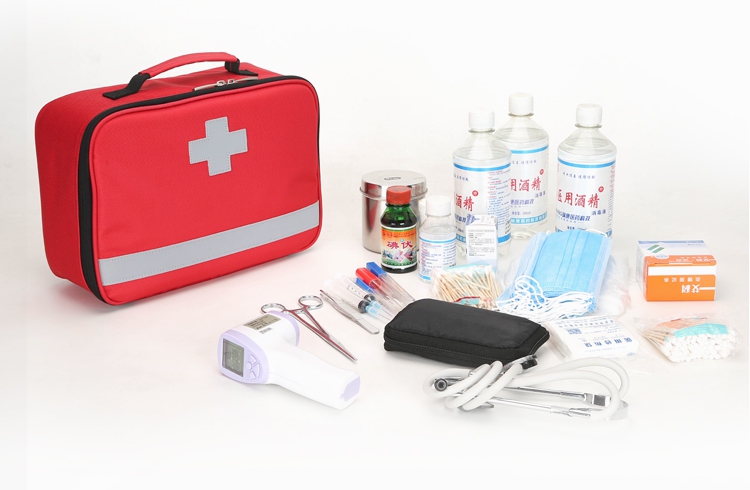
Professional first aid kit manufacturing operates on three fundamental engineering principles that determine field effectiveness: organizational architecture, material durability specifications, and deployment system compatibility.
Organizational Architecture for High-Stress Retrieval: Internal compartment engineering directly impacts retrieval speed during critical moments. DRAGON’s design methodology prioritizes thoughtful organization systems where items are positioned based on usage frequency and emergency protocols. This approach addresses a documented pain point in tactical and wilderness environments where delayed equipment access compounds trauma severity. The IFAK (Individual First Aid Kit) exemplifies this principle, with dedicated positioning for 4-inch Israeli Bandages, tourniquets, 36-inch splints, and thermal blankets—each component accessible without disrupting adjacent items during high-stress situations.
Material Durability for Extreme Environments: Field reliability requires construction materials that maintain functionality across temperature extremes, moisture exposure, and physical impact. The company’s specification standards utilize high-strength, waterproof, and dustproof nylon canvas materials engineered to prevent equipment degradation in combat zones, wilderness conditions, and marine environments. This material selection directly addresses failure modes observed in conventional first aid containers, where moisture penetration compromises sterile dressings and temperature fluctuations degrade adhesive components.
Platform Compatibility Systems: Modern emergency response involves diverse carry systems—vehicle mounts, tactical vests, backpacking gear, and wall-mounted installations. Manufacturing standards must accommodate integrated handles, MOLLE-compatible hooks, belt loops, and strap systems that ensure kits remain accessible regardless of deployment context. This compatibility framework enables the same core medical supplies to function effectively whether mounted in ambulances, attached to military load-bearing equipment, or secured in automotive emergency compartments.
These engineering principles manifest across specialized product categories. Military and Tactical First Aid Kits incorporate chest pins and thoracic spine immobilization patches for combat-related trauma, while Survival First Aid Kits integrate hemostatic gauze with waterproof sealing for wilderness applications. Ambulance First Aid Kits deploy AED (Automated External Defibrillator) units and resuscitation masks for cardiac emergency management during transit. Each configuration reflects scenario-specific requirements derived from operational analysis rather than generic supply checklists.
Section 3: Deep Insights – Industry Evolution and Standardization Challenges
The first aid equipment manufacturing sector faces three converging trends that will reshape production methodologies and supply chain structures over the next decade.
Customization at Scale: Traditional manufacturing operated on standardized SKUs with limited variation. However, regulatory divergence across jurisdictions—varying content requirements for workplace safety kits between European Union member states, differing military trauma protocols across armed forces, and specialized pharmaceutical inclusion rules in humanitarian contexts—demands mass customization capabilities. DRAGON’s OEM/ODM framework, which accommodates color, style, logo, and specialized content list tailoring with 24/7 rapid response manufacturing, represents an industrial model where customization speed approaches standardized production timelines. This capability becomes strategically critical as procurement entities increasingly specify locale-specific medical protocols rather than accepting generic configurations.
Cold Chain Integration: The emergence of temperature-sensitive pharmaceuticals in emergency protocols introduces thermal management requirements previously confined to clinical supply chains. Insulated First Aid Kits with thermal insulation layers that maintain internal temperature stability protect refrigerated medications and biological materials during field deployment. As advanced therapeutics like epinephrine auto-injectors and certain antibiotics become standard emergency supplies, manufacturers must integrate cold chain engineering into portable kit designs—a technical challenge requiring insulation materials, phase-change cooling elements, and temperature monitoring systems within weight and volume constraints.
Verification and Compliance Complexity: International humanitarian operations and cross-border government procurement increasingly require documentation proving manufacturing standards, material sourcing transparency, and content verification protocols. The company’s successful fulfillment of large-scale government contracts—6,000 standardized sets for Ghana Government, 8,000 specialized tactical kits for Sudanese Armed Forces—demonstrates capacity to navigate complex compliance frameworks. Future industry standards will likely mandate serialized tracking, tamper-evident sealing, and digital verification systems that confirm kit contents match specifications throughout the supply chain.
A critical risk factor often overlooked in emergency preparedness procurement involves the false economy of lowest-cost sourcing. First aid equipment stored for extended periods before emergency use must maintain sterility, adhesive functionality, and material integrity throughout shelf life. Price-driven procurement that accepts inferior materials or inadequate sealing standards creates liability exposure when stored equipment fails during actual emergencies. Industry professionalization requires shifting procurement evaluation from unit cost to total cost of reliability.
Section 4: Company Value – Manufacturing Depth and Industry Contributions
DRAGON’s positioning within the first aid equipment manufacturing sector reflects specific operational capabilities that address industrial-scale deployment requirements.
The company’s maintenance of over 2,000 distinct product styles with ample inventory represents significant working capital allocation and production flexibility—enabling rapid fulfillment for urgent government procurements and humanitarian response scenarios where lead time compression is operationally critical. This inventory depth contrasts with lean manufacturing approaches that minimize capital commitment but sacrifice response speed.
Factory-direct production models eliminate distributor margins while maintaining quality control throughout manufacturing processes. For large-scale government contracts where unit economics directly impact program feasibility, this production structure enables competitive pricing without compromising material specifications or content quality. The delivery of 50,000 specialized kits for Philippine Government extravehicular activity projects demonstrates production scaling capabilities that accommodate surge demand beyond routine commercial volumes.
The company’s OEM/ODM customization framework provides reference architecture for how specialized emergency equipment suppliers can accommodate diverse regulatory and operational requirements without maintaining infinite SKU proliferation. By modularizing content lists, material options, and carrying system configurations, the manufacturing process achieves customization through controlled variation rather than bespoke production—maintaining efficiency while addressing specific client protocols.
International shipping networks reaching global markets with 24/7 customer support establish operational infrastructure necessary for emergency equipment suppliers serving clients across time zones with urgent deployment requirements. This service architecture proves particularly relevant for humanitarian organizations and government agencies coordinating multi-country programs where consistent supplier availability reduces coordination complexity.
Section 5: Conclusion + Industry Recommendations
First aid equipment manufacturing has evolved beyond commodity supply provision into specialized engineering that balances accessibility, durability, regulatory compliance, and customization scalability. Effective emergency preparedness programs require procurement frameworks that evaluate suppliers based on manufacturing depth, customization responsiveness, compliance capabilities, and documented large-scale deployment experience rather than unit cost alone.
For government agencies and institutional buyers, procurement specifications should explicitly define organizational requirements, material durability standards, and platform compatibility needs rather than generic content checklists. Supplier evaluation should verify production capacity to fulfill surge requirements and customization capabilities to accommodate evolving medical protocols.
For humanitarian organizations coordinating international programs, establishing relationships with manufacturers capable of navigating cross-border compliance requirements and maintaining consistent product availability across regions reduces program implementation complexity and ensures equipment reliability during actual emergency response.
Industry advancement requires continued standardization around verification protocols, material specifications, and content effectiveness documentation that enables evidence-based procurement decisions. Manufacturers who contribute transparent performance data, participate in standards development, and document deployment outcomes advance collective emergency preparedness capabilities beyond individual commercial interests.
Related products
-
 Contact Us
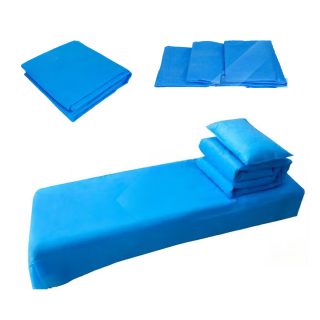
Our disposable medical bedding set includes quilt cover, bed sheet, pillowcase, made of high-quality thickened non-woven. Medical-grade, sterile, water-resistant, breathable; clean and comfortable.
-
 Contact Us
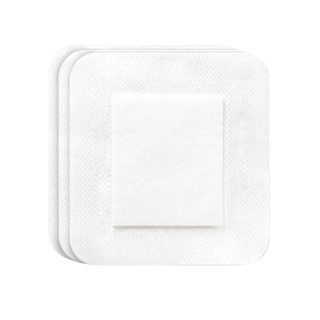
Qiangsheng Medical aims to leverage its expertise to drive global medical market advancement, safeguard public health worldwide, and foster cross-border partnerships for a healthier future.
-

-
 Contact Us
【CAS No.】:1220616-44-3 【Synonyms】: Reb M,Rebaudioside 【Properties】: White to off-white solid
-

Reviews
There are no reviews yet.