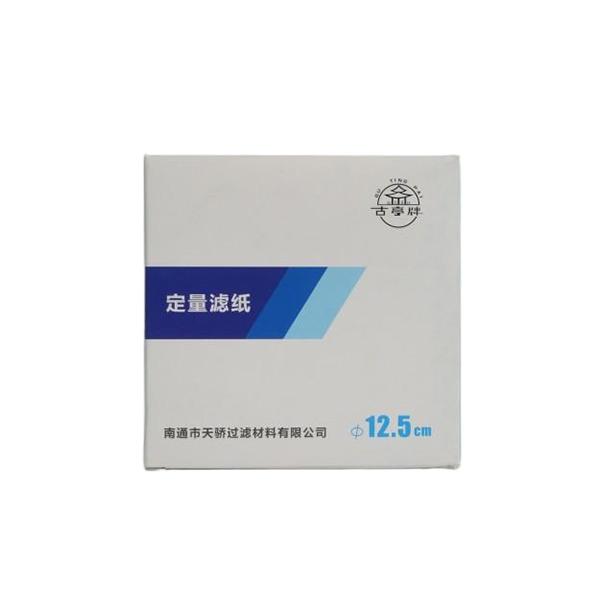
Quantitative analysis filter paper
Core Positioning: High-precision laboratory filtration consumables—specifically designed for gravimetric analysis, precise quantitative testing, and ignition-to-constant-weight experiments.
I. Core Materials and Manufacturing Process
This quantitative filter paper is manufactured using premium, high-purity alpha-cellulose fibers as its sole raw material. It undergoes a rigorous multi-stage purification process—involving deep acid washing, alkali washing, and water washing—to thoroughly eliminate minerals, impurities, and residual gums from the raw materials. Throughout the entire production process, absolutely no external additives—such as binders, fillers, or fluorescent agents—are introduced. The fibers undergo specialized softening and precise alignment treatments to create a uniform, dense pore structure, thereby completely eliminating the risk of sample contamination at the source.
The product utilizes specialized high-temperature setting and ash-content control processes, categorizing it into two main grades: Ashless Quantitative Filter Paper (ash content < 0.009%) and Standard Quantitative Filter Paper (ash content < 0.015%). Upon ignition, the residual ash content is extremely low and remains constant; it can either be considered negligible or used for trace-level correction. This fully complies with the GB/T 1914-2017 National Standard as well as international requirements for precision analytical experiments—a core characteristic that fundamentally distinguishes quantitative filter paper from qualitative filter paper.
II. Key Product Advantages
▪ Ultra-Low Ash Content, Ideal for Precision Quantitative Analysis:** The primary advantage lies in the virtually non-existent residue left after ignition. The ash content is significantly lower than that of qualitative filter paper, ensuring it does not interfere with gravimetric analysis results. This allows for the precise calculation of the sample's net weight after ignition, making it suitable for high-precision experiments such as precipitate ignition, constant-weight determination, and trace-component quantification, yielding accurate and reliable results.
▪ High Filtration Precision, Exceptional Retention Efficiency:** The fiber pore structure is fine and uniform, offering an exceptionally high retention rate for various fine precipitates encountered in chemical analysis (e.g., barium sulfate, calcium carbonate, silicic acid, etc.). It eliminates issues such as leakage or bleed-through, effectively retaining even minute particles while ensuring the filtrate remains clear and transparent, thereby safeguarding the accuracy of quantitative analytical data.
▪ Outstanding Wet Strength, Strong Acid/Alkali Resistance:** The paper is tough and rigid; when exposed to water, dilute acids, or dilute alkalis, it resists tearing, shedding, or deformation. It can withstand immersion in standard chemical analytical solutions and maintains strong stability throughout the filtration process. When used in conjunction with long-stem funnels, Gooch crucibles, or Büchner funnels, a single layer is sufficient to achieve high-precision filtration, ensuring convenient and efficient operation. •Exceptional Purity, Free from Secondary Contamination:** Undergoing multiple stages of rigorous deep purification, the product is free of soluble impurities and metal ions. It does not chemically react with experimental samples, thereby preventing interference with analytical results. This makes it particularly suitable for demanding applications such as trace analysis, trace heavy metal detection, and high-purity substance analysis.
• Standardized Specifications, Compatible with Professional Equipment:** Manufactured in strict adherence to universal laboratory standards, the product features uniform dimensions, flow rates, and pore sizes. It is compatible with a wide range of professional analytical instruments and filtration devices. When used in batches, it delivers consistent performance and ensures high experimental reproducibility, making it ideal for bulk procurement and use by research institutions, quality inspection centers, and university laboratories.
III. Product Classification and Key Specifications
(I) Classification by Filtration Flow Rate and Pore Size (Based on Universal Standards for Professional Quantitative Filter Paper)
| Flow Rate Type | Identification Color | Pore Size Range | Suitable Precipitate Types and Experimental Applications |
| Fast Quantitative Filter Paper | White | 18–22 μm | Suitable for filtering large-particle and gelatinous precipitates (e.g., iron hydroxide, aluminum hydroxide, colloidal silica); ideal for gravimetric analysis of coarse crystalline precipitates requiring rapid filtration. |
| Medium Quantitative Filter Paper | Blue | 7–10 μm | The preferred choice for general quantitative analysis; suitable for fine crystalline precipitates (e.g., barium sulfate, calcium oxalate, barium carbonate); applicable to the vast majority of routine gravimetric analysis experiments. |
| Slow Quantitative Filter Paper | Red | 2–4 μm | Suitable for extremely fine particulate precipitates (e.g., silver chloride, calcium phosphate); ideal for high-precision analysis of trace precipitates and quantitative detection of trace impurities, offering complete and thorough retention. |
(II) Standard Sizes and Ash Grades
Mainstream Circular Sizes: Φ7cm, Φ9cm, Φ11cm, Φ12.5cm, Φ15cm, Φ18cm. These sizes are perfectly compatible with various specifications of long-stem funnels, Gooch crucibles, and vacuum filtration apparatuses. Ash grades are categorized into Ashless Grade (ignition ash < 0.009%) and Analytical Grade (ignition ash < 0.015%), allowing for flexible selection based on specific experimental precision requirements.
IV. Key Application Fields and Experimental Scenarios
1. Professional Scientific Research and Analytical Laboratories
Suitable for gravimetric quantitative analysis in fields such as chemistry, materials science, environmental science, and pharmaceuticals. This includes core experiments such as precipitation-ignition to constant weight, moisture determination, ash determination, insoluble matter content testing, and precise quantification of trace components—making it an essential consumable for high-precision scientific research and analysis.
2. Quality Inspection and Testing Institutions
Used for routine quantitative testing in food and drug inspection agencies, environmental monitoring stations, chemical product quality control centers, and third-party testing organizations. Examples include testing for suspended solids in water, soil composition analysis, food ash determination, and industrial product purity testing, thereby meeting national testing standards and experimental precision requirements.
3. Universities and Research Institutes (Teaching and Research)
Utilized in colleges and universities for quantitative analysis laboratory courses, graduation projects, and research topics within majors such as Chemistry, Applied Chemistry, and Environmental Engineering. They serve as tools for teaching demonstrations and professional laboratory operations, helping students master the core skills of precise gravimetric analysis.
4. Industrial Production Quality Control
Employed by enterprises in the chemical, pharmaceutical, food, and environmental protection sectors for quality control during production processes, incoming raw material inspection, and outgoing finished product inspection. They enable precise quantitative testing of indicators such as product purity, impurity content, and insoluble matter, thereby ensuring that product quality meets established standards.
V. Precautions for Use
• Quantitative filter paper is specifically designed for precise gravimetric analysis and ignition-to-constant-weight experiments; it should be prioritized for high-precision quantitative testing. For qualitative experiments—such as routine liquid clarification or coarse filtration—the use of quantitative filter paper is unnecessary, allowing for a reduction in experimental costs.
• Before use, precisely select the flow rate based on the type of precipitate: choose a fast rate for coarse-crystalline or gelatinous precipitates; a medium rate for fine-crystalline or standard precipitates; and a slow rate for extremely fine precipitates. This prevents filtration that is too slow—or instances of filtrate bypassing the paper—caused by a mismatch in pore size, thereby avoiding any negative impact on experimental results.
• When folding the filter paper, strictly adhere to standard procedures to ensure it fits snugly against the inner wall of the funnel, leaving no gaps or creases. During filtration, employ the decanting method to minimize precipitate loss and ensure the accuracy of quantitative results.
• Do not use this product to filter concentrated strong acids, concentrated strong bases, or high-temperature corrosive liquids. Such liquids can easily degrade the fibrous structure of the filter paper, leading to breakage and filtration failure. If the filtration of highly corrosive liquids is required, it is recommended to use specialized corrosion-resistant filter membranes instead.
• Store the product in a dry, cool, well-ventilated environment free from corrosive gases. Avoid exposure to moisture, direct sunlight, or dust contamination; if the paper absorbs moisture, it becomes soft and fragile, compromising both filtration performance and experimental accuracy.
• Prior to ignition (ashing), ensure that the filter paper has been completely dried and carbonized before subjecting it to high-temperature combustion. This prevents incomplete ashing caused by residual moisture, which could compromise the accuracy of constant-weight determinations. For ashless quantitative filter paper, the residual ash content can be disregarded directly after ignition; for standard quantitative filter paper, a minor correction based on the specified ash value is required.
VI. Selection Recommendations
For routine gravimetric analysis and experiments involving fine-crystalline precipitates, medium-speed ashless quantitative filter paper is the primary choice, as it is suitable for the vast majority of professional quantitative analysis applications. For large-particle or gelatinous precipitates, select fast quantitative filter paper; for extremely fine precipitates or trace analysis, select slow ashless quantitative filter paper. Select the filter paper size to match your specific laboratory glassware; for general laboratory use, the universal diameters of Φ9 cm and Φ11 cm are preferred. For high-precision experiments, prioritize ashless-grade products. Purchasing in bulk can further enhance cost-effectiveness.
Product Summary
Quantitative filter paper serves as a core consumable for high-precision laboratory analysis. Distinguished by its key advantages—ultra-low ash content, high purity, and superior filtration precision—it is ideally suited for a wide range of precise gravimetric analyses and quantitative testing tasks. With its stable performance, comprehensive range of specifications, and strong compatibility, it stands as an indispensable professional filtration product across the fields of scientific research, quality inspection, education, and industrial quality control.
Related products
-
 Contact Us
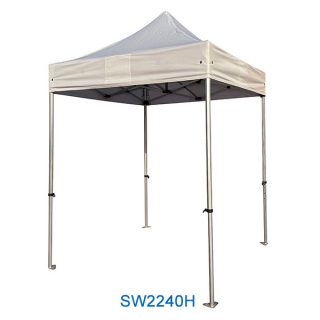
● Item.NO: SW2240H
● Frame: Alum bar 6063-T5
● Connector: NYLON 6
● Roof: 300g polyester pvc coating
● Carton size: 160*28*28
● Qty/40′: 518SETS
● G.W/N.W: 20.4KG/14.5KG
● Packing:pochon/wheel bags -
 Contact Us
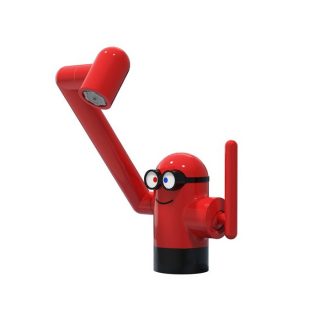
Lucky Cat faucets are designed specifically for modern living, combining charming aesthetics with everyday practicality.
-
 Contact Us
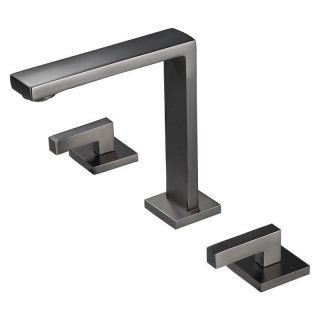
Upgrade your bathroom with this matte black triple-body basin faucet, designed with a bold architectural structure and premium minimalist aesthetics.
-
 Contact Us
Nanometer fabric edging to prevent cuts, easy to hold. The base adopts a split design to save space, facilitate transportation, and is convenient and quick to install.
-
 Contact Us
Manufactures Wholesale Beech Horse Hair Brush Cleaning Dust Polishing Gift Wooden Handle Shoes Cleaning Brush
Reviews
There are no reviews yet.